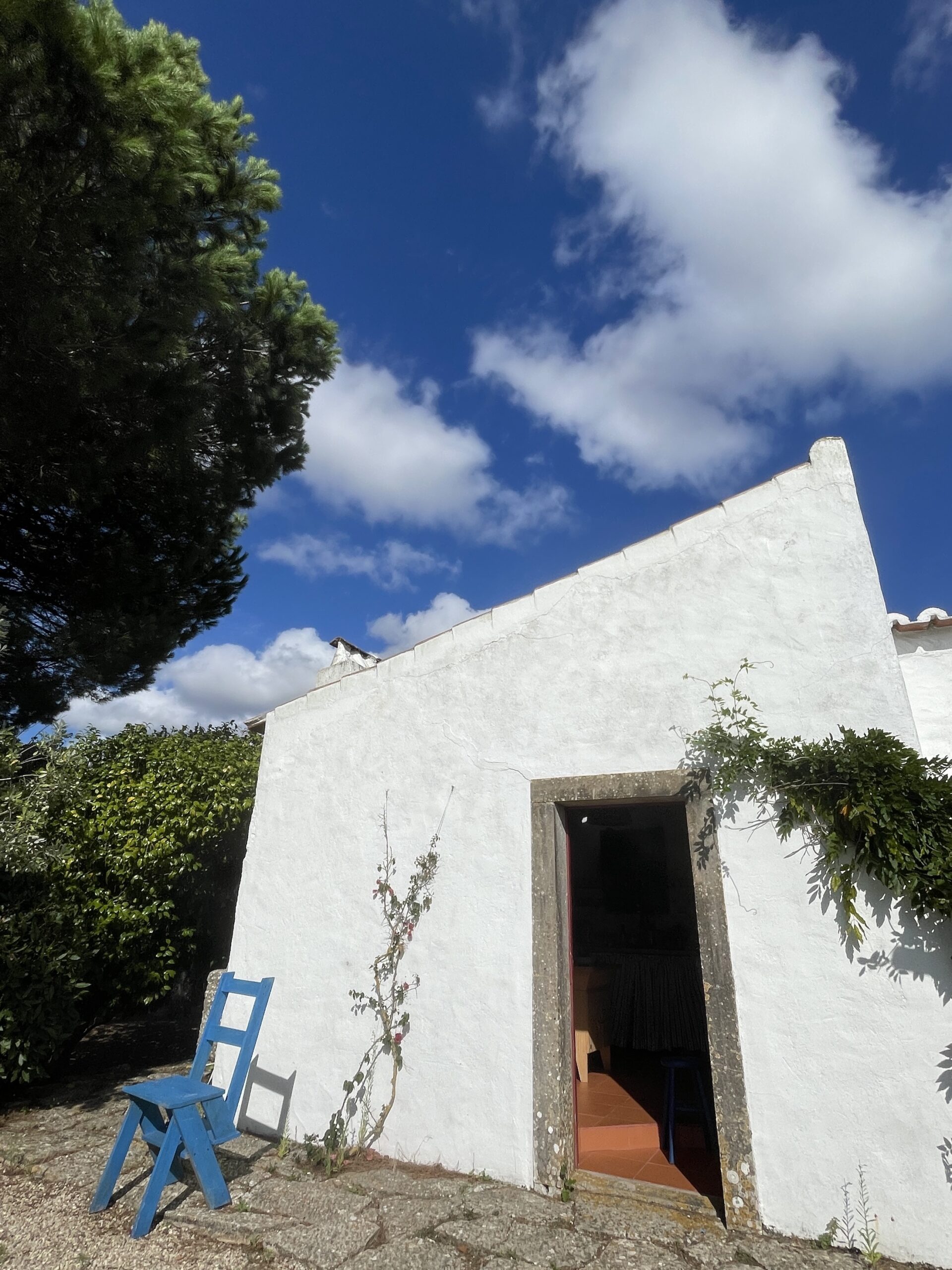
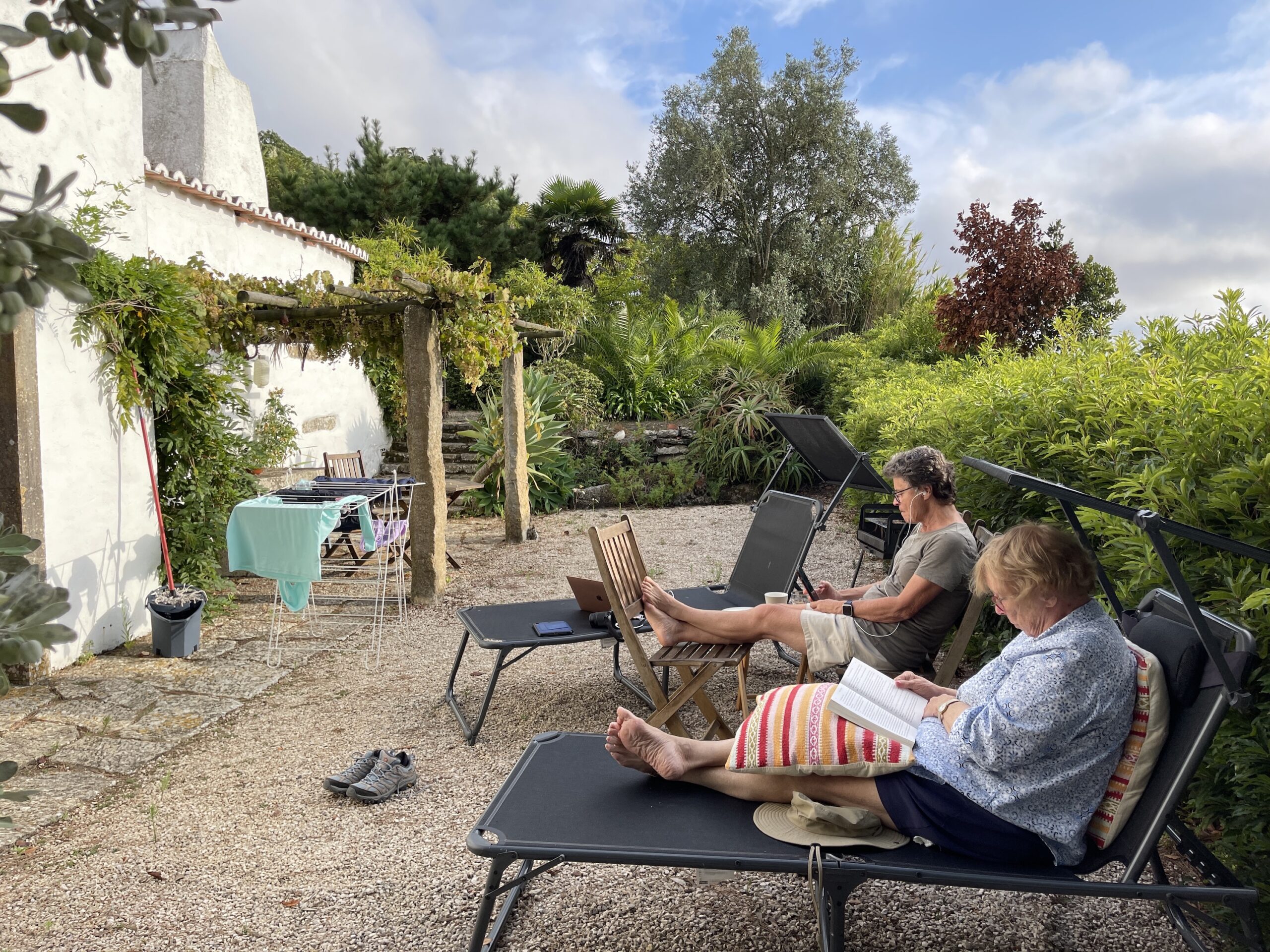
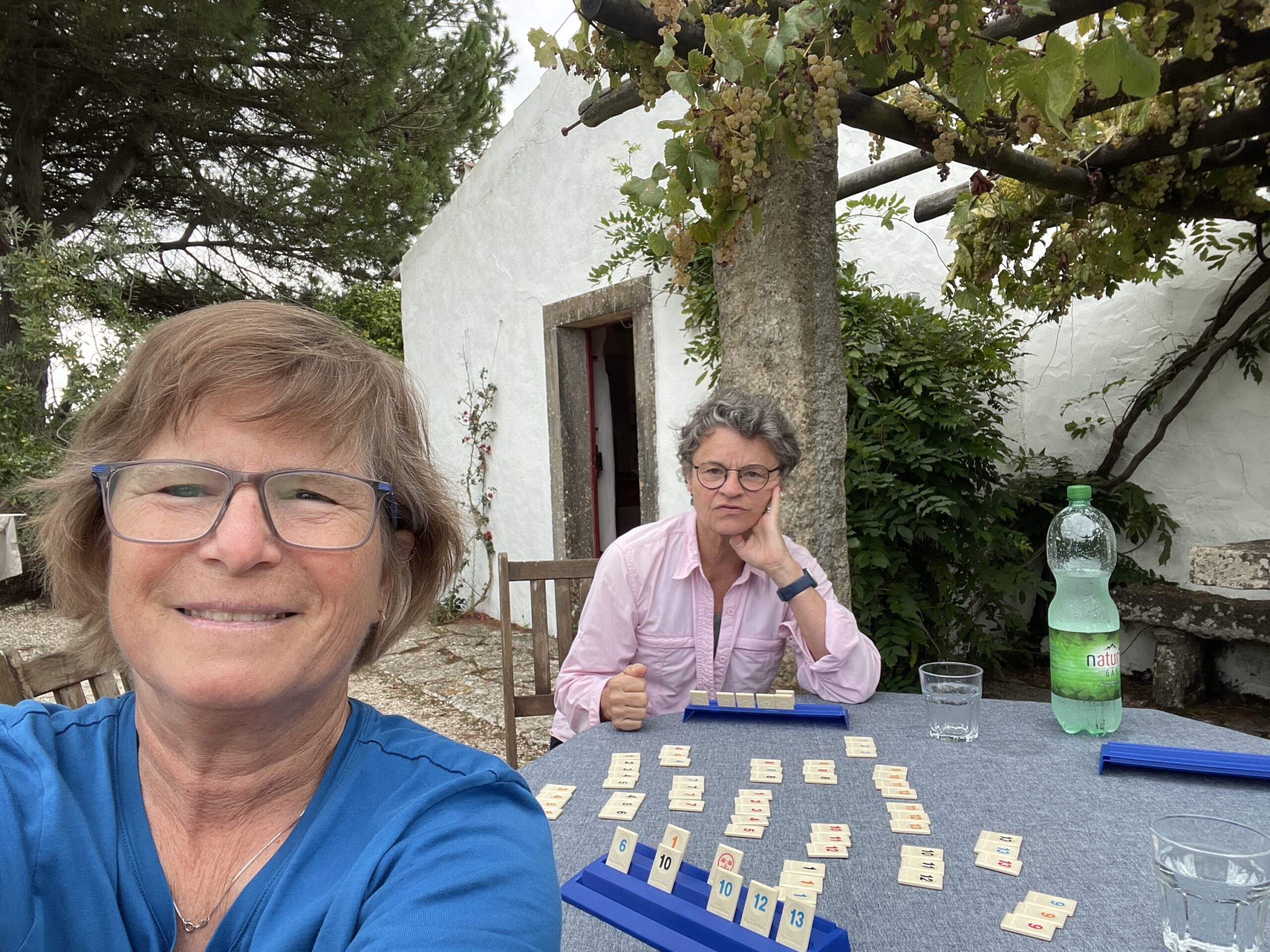
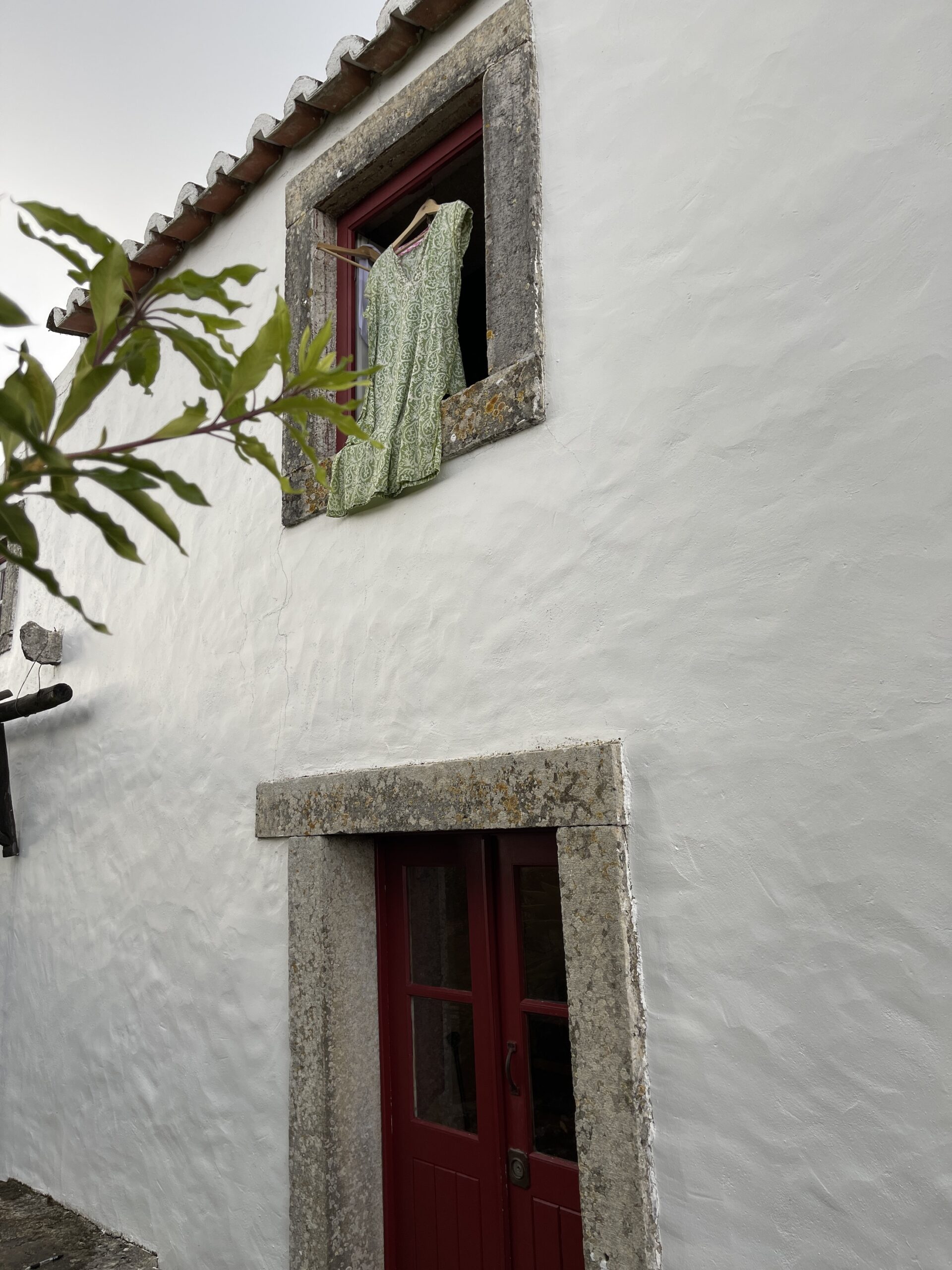
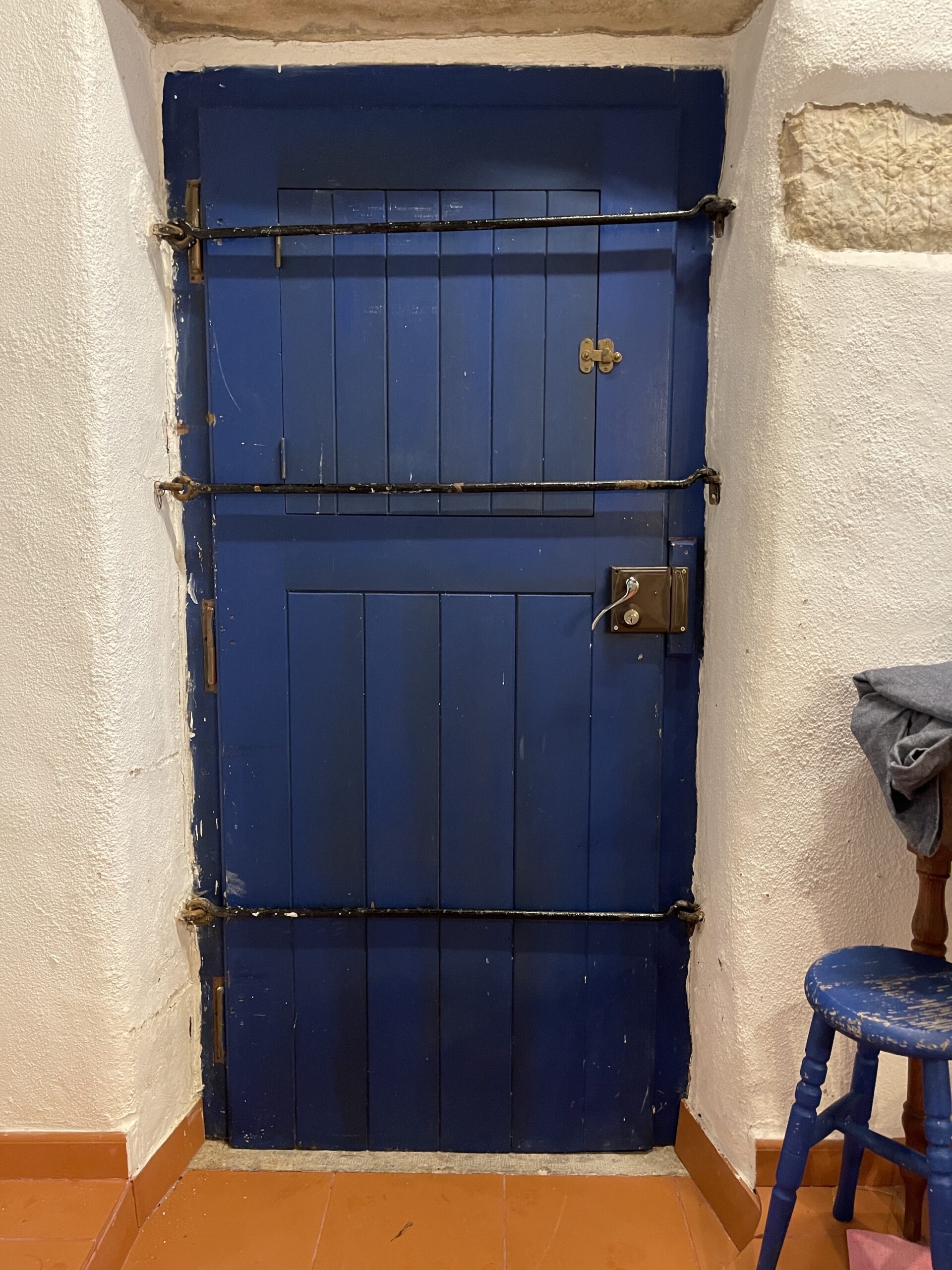
For our week outside of Lisbon, we had rented a traditional Portuguese farmhouse in the country. This bucolic slice of down-home Portugal turned out to be long on history and extremely short on comfort. This was unfortunate as Marida’s sister, Sari, joined us from Florida for the week. Sadly for all of us, she almost immediately came down with covid and spent the rest of her stay in bed.
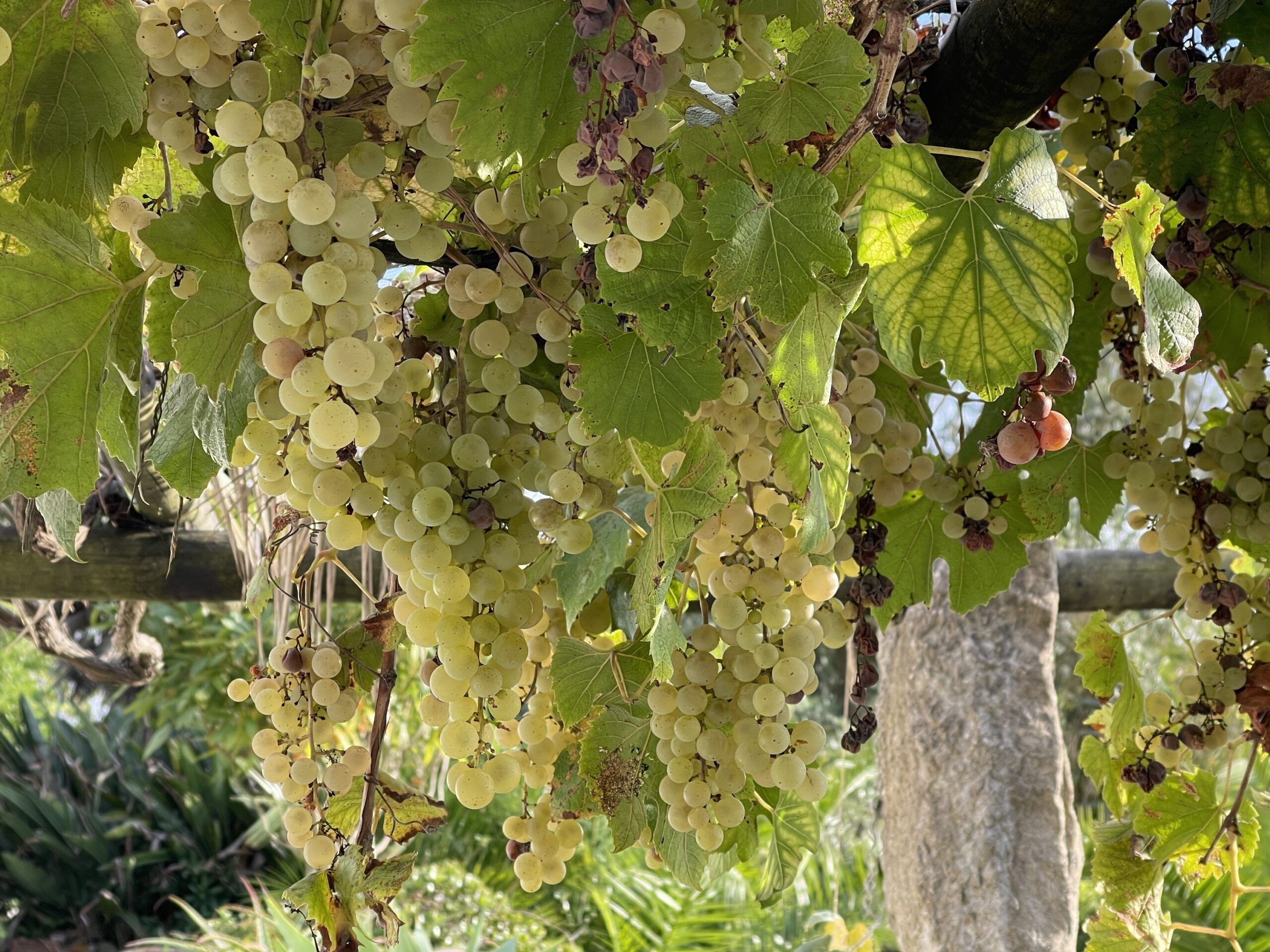
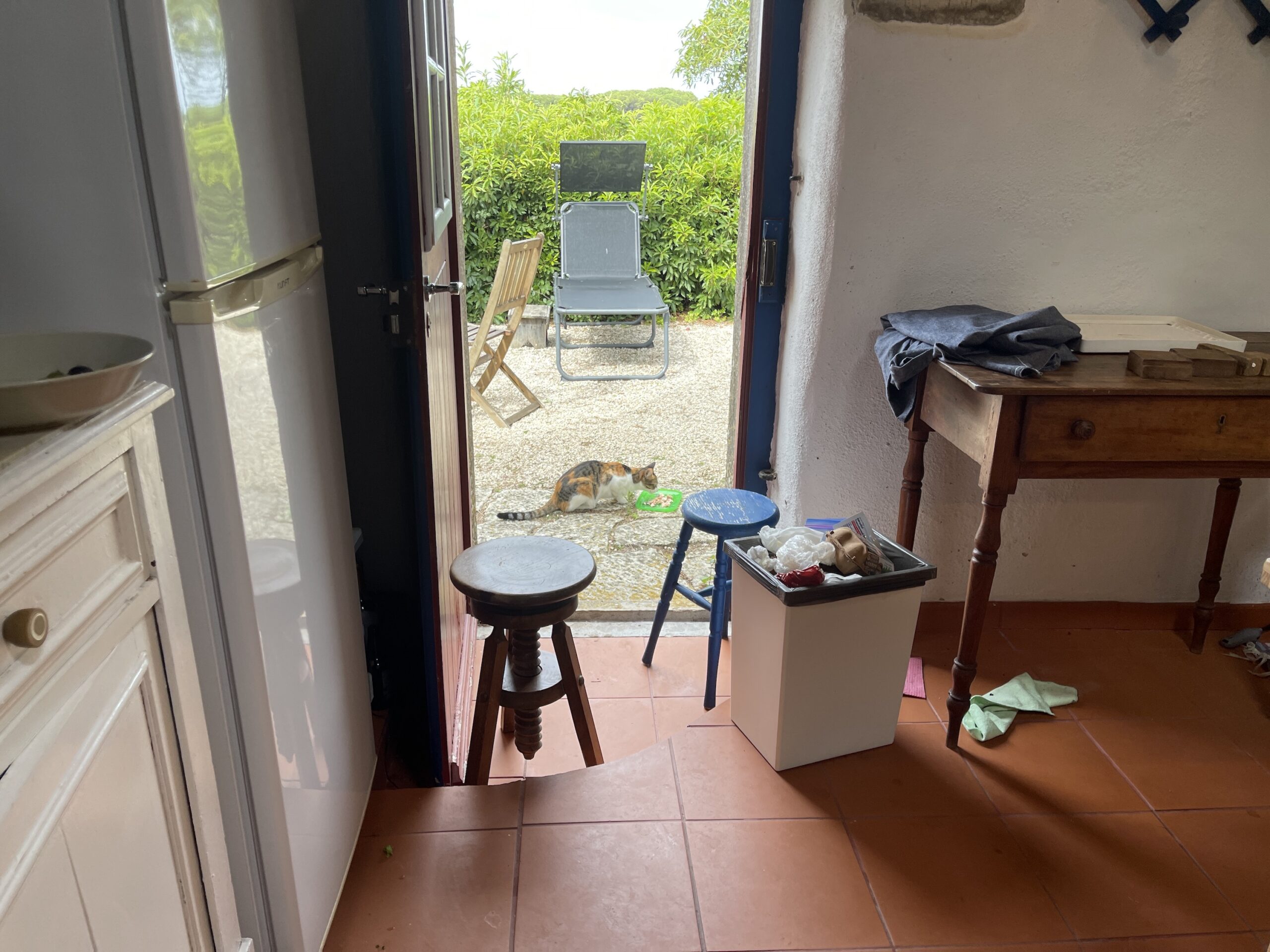
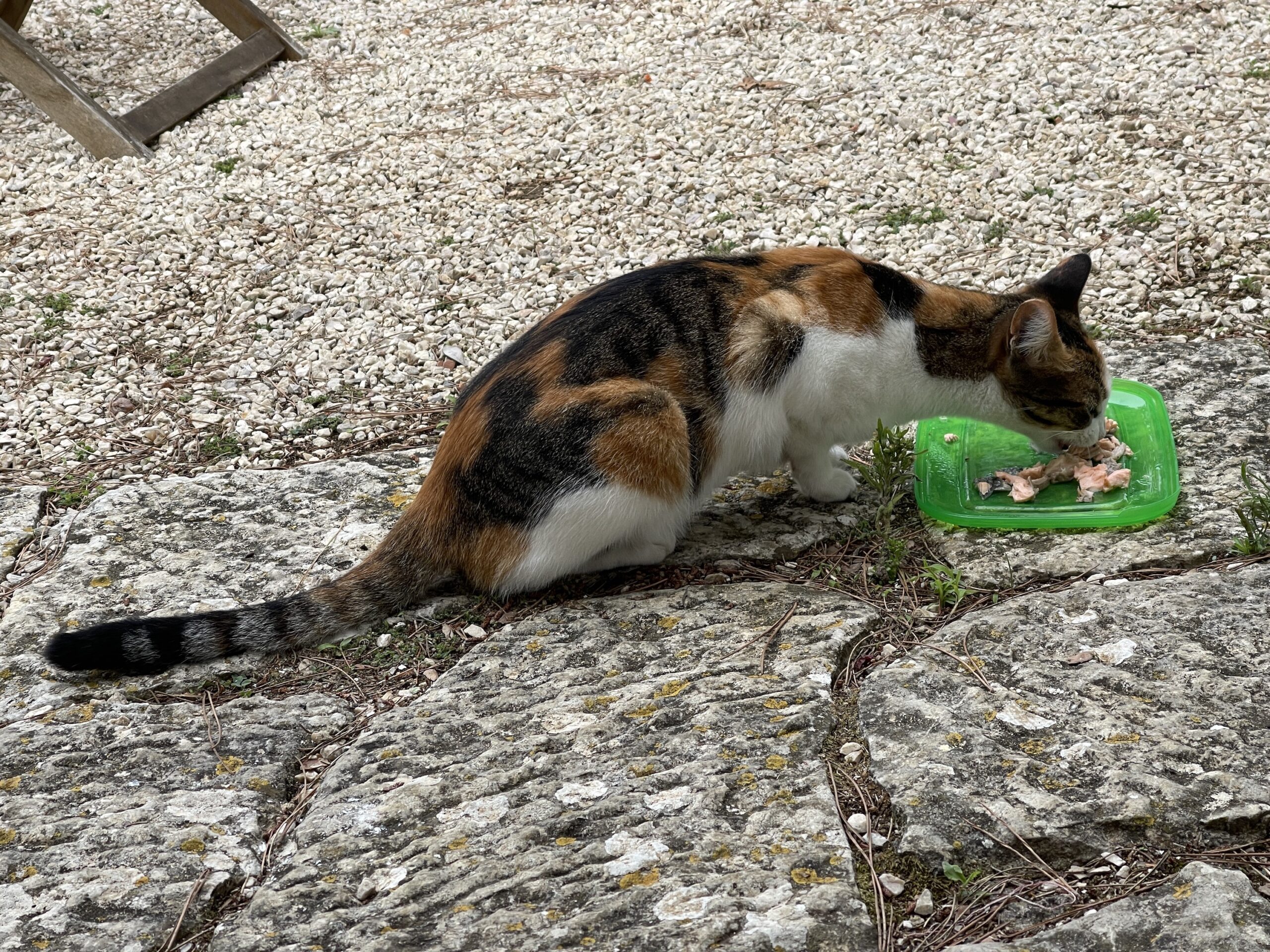
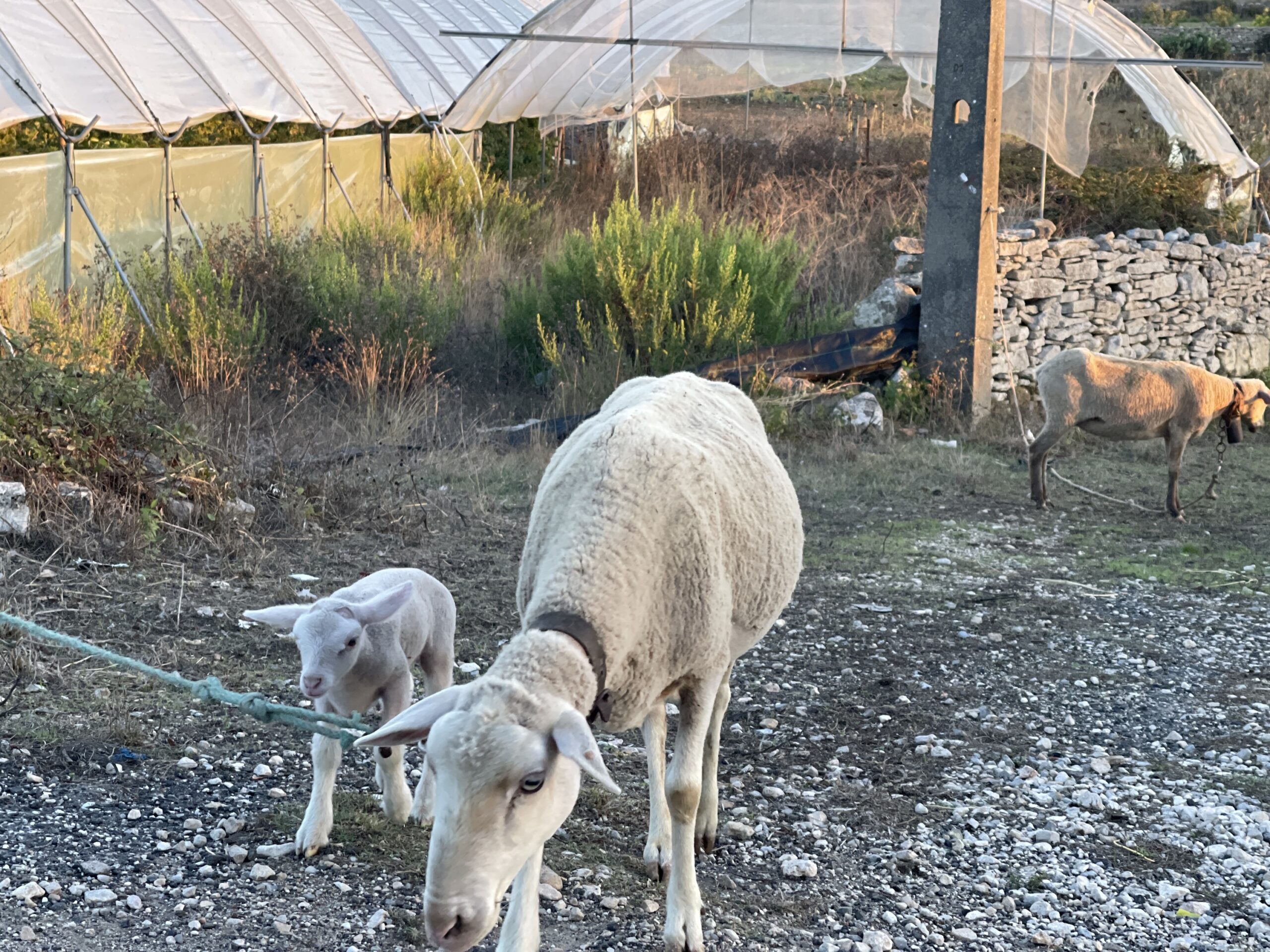
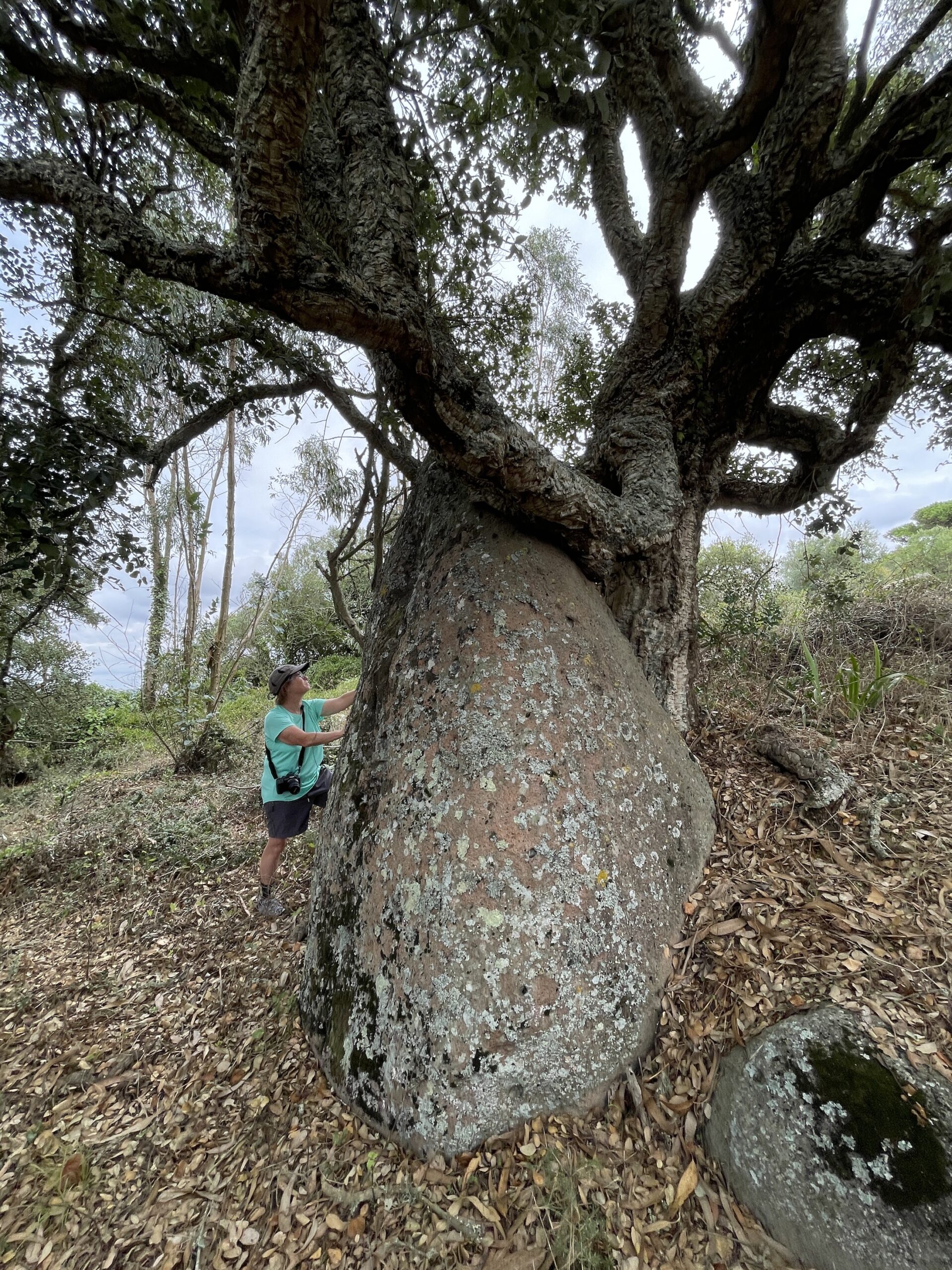
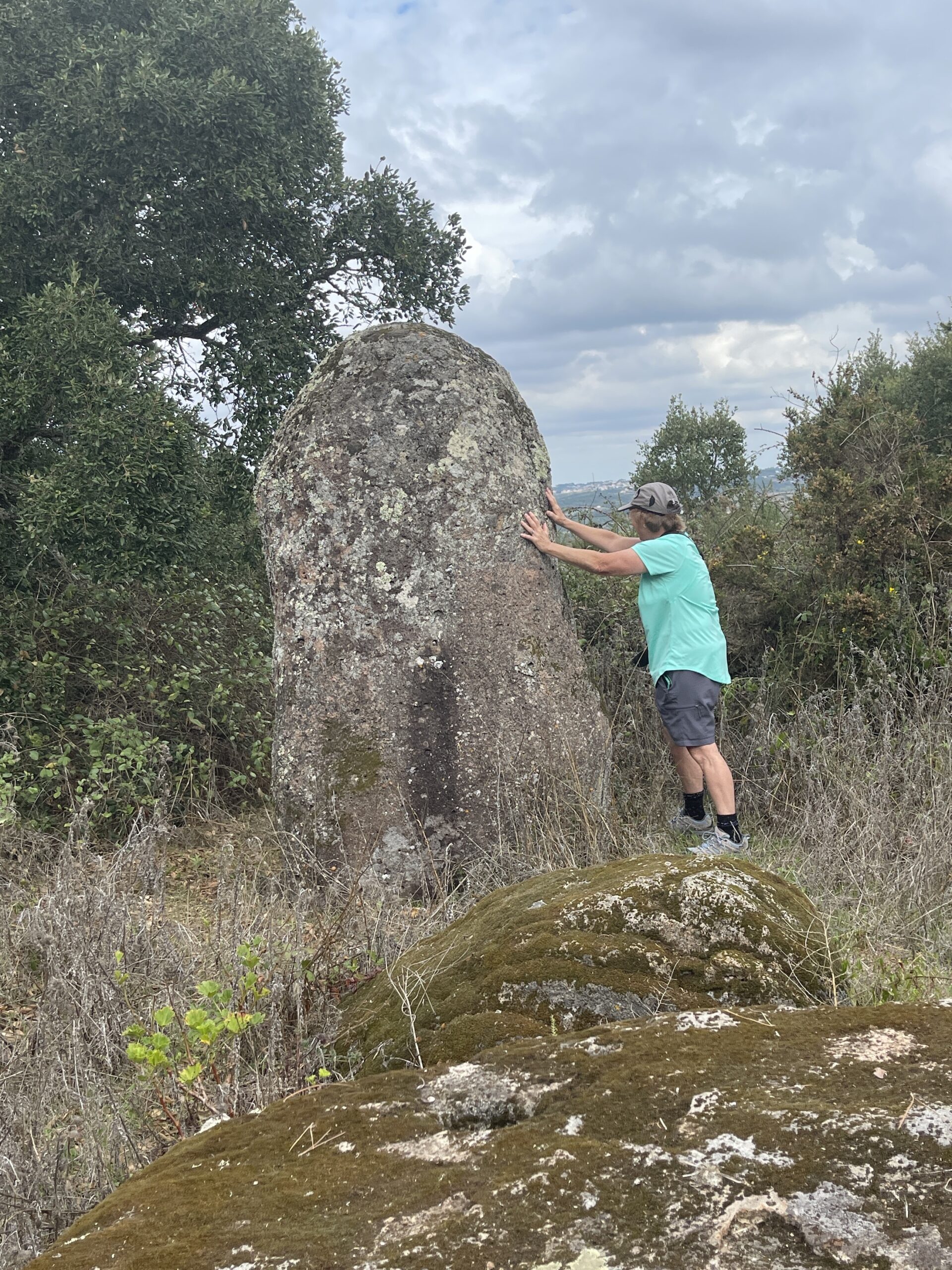
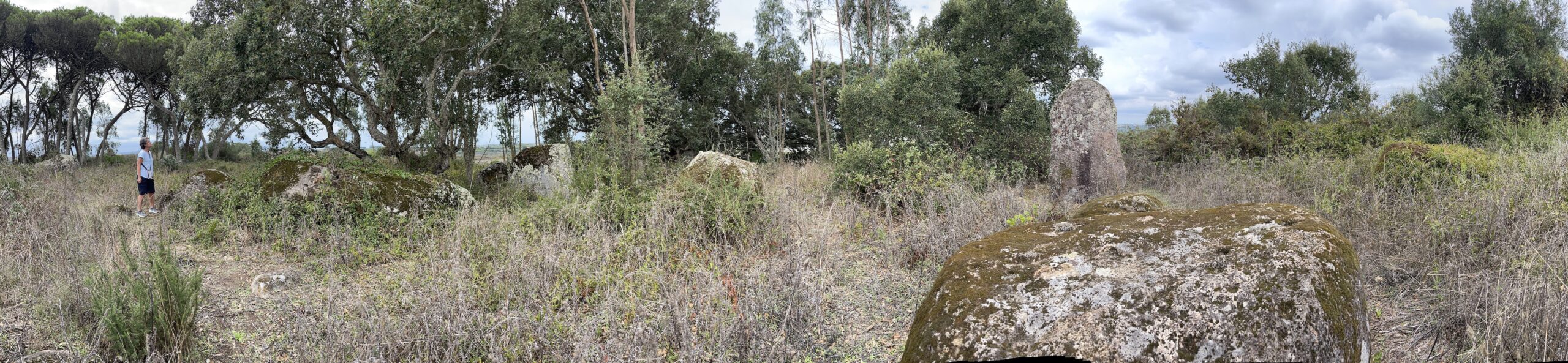
Standing stones in a farmer’s back field
Googling “standing stones” around our map dot brought up scores of sites, one just minutes from our house on a narrow farm road. Access was through an unmarked gate and up a scrub-covered path. This site included about a dozen huge prehistoric stones, some still standing and others fallen and covered with brush. Nowhere in the area had we seen such big stones naturally occurring; it was obvious these had been placed there. To visit these alone, off a track in a hilly wood, was special.
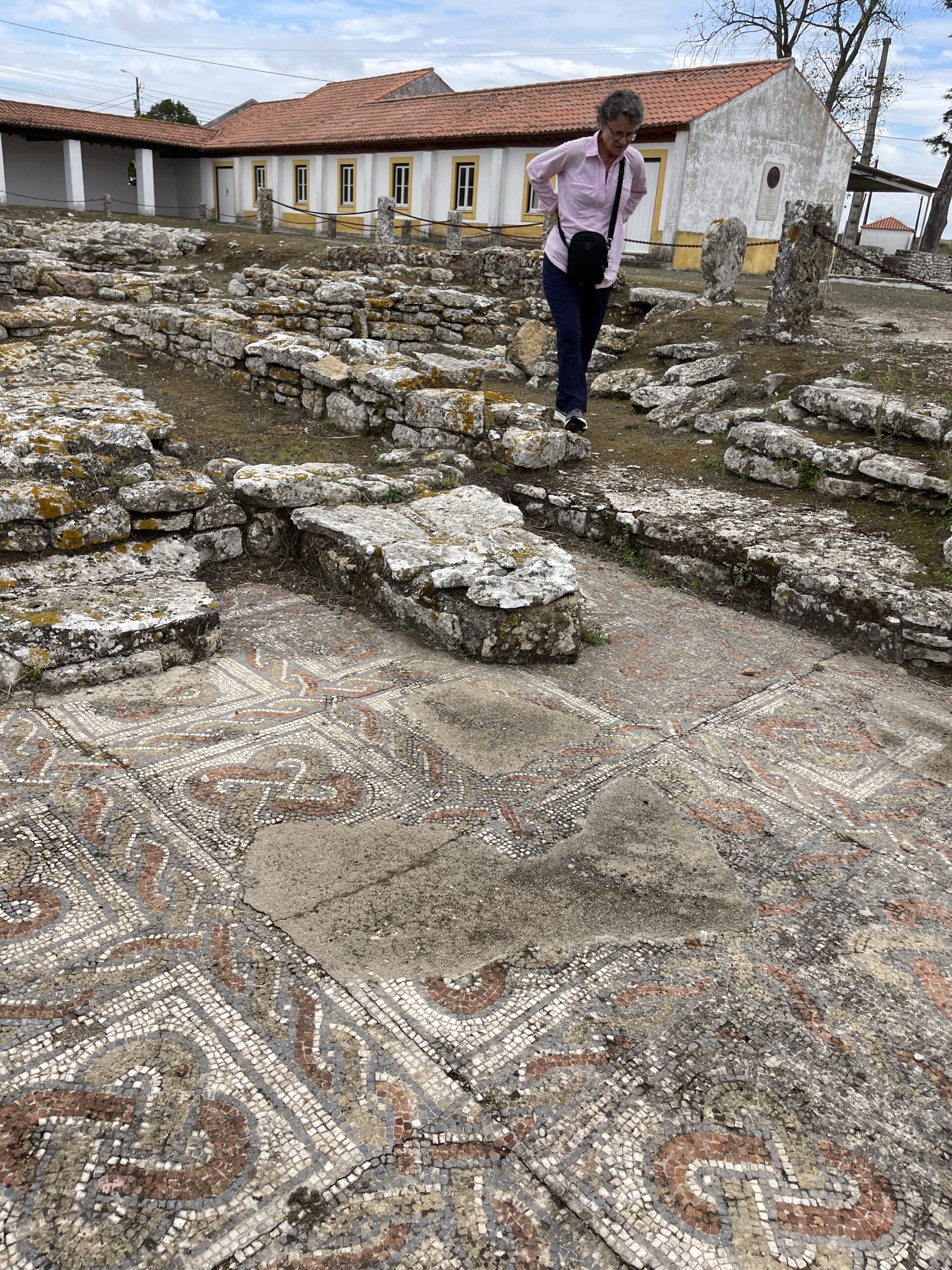
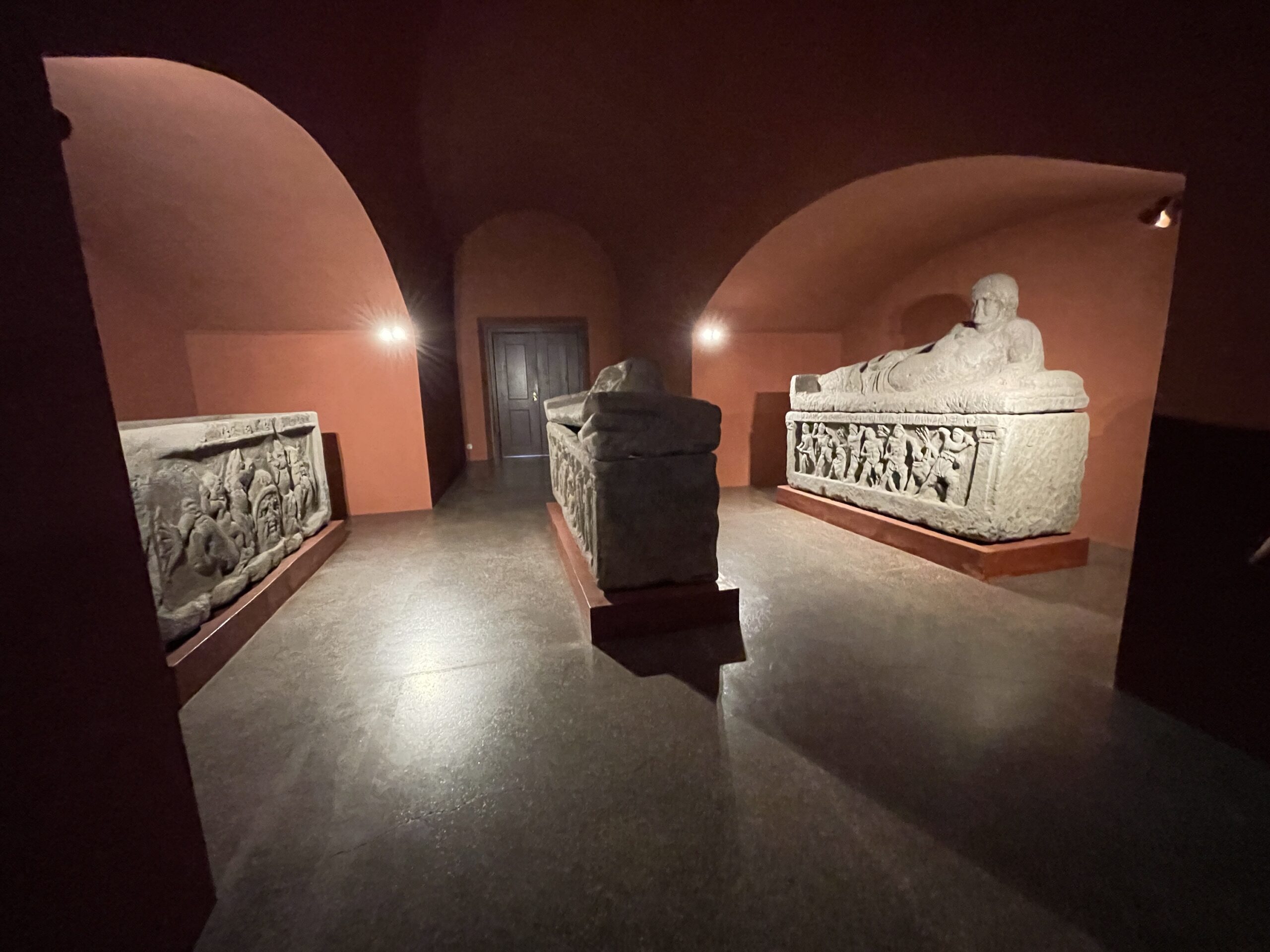
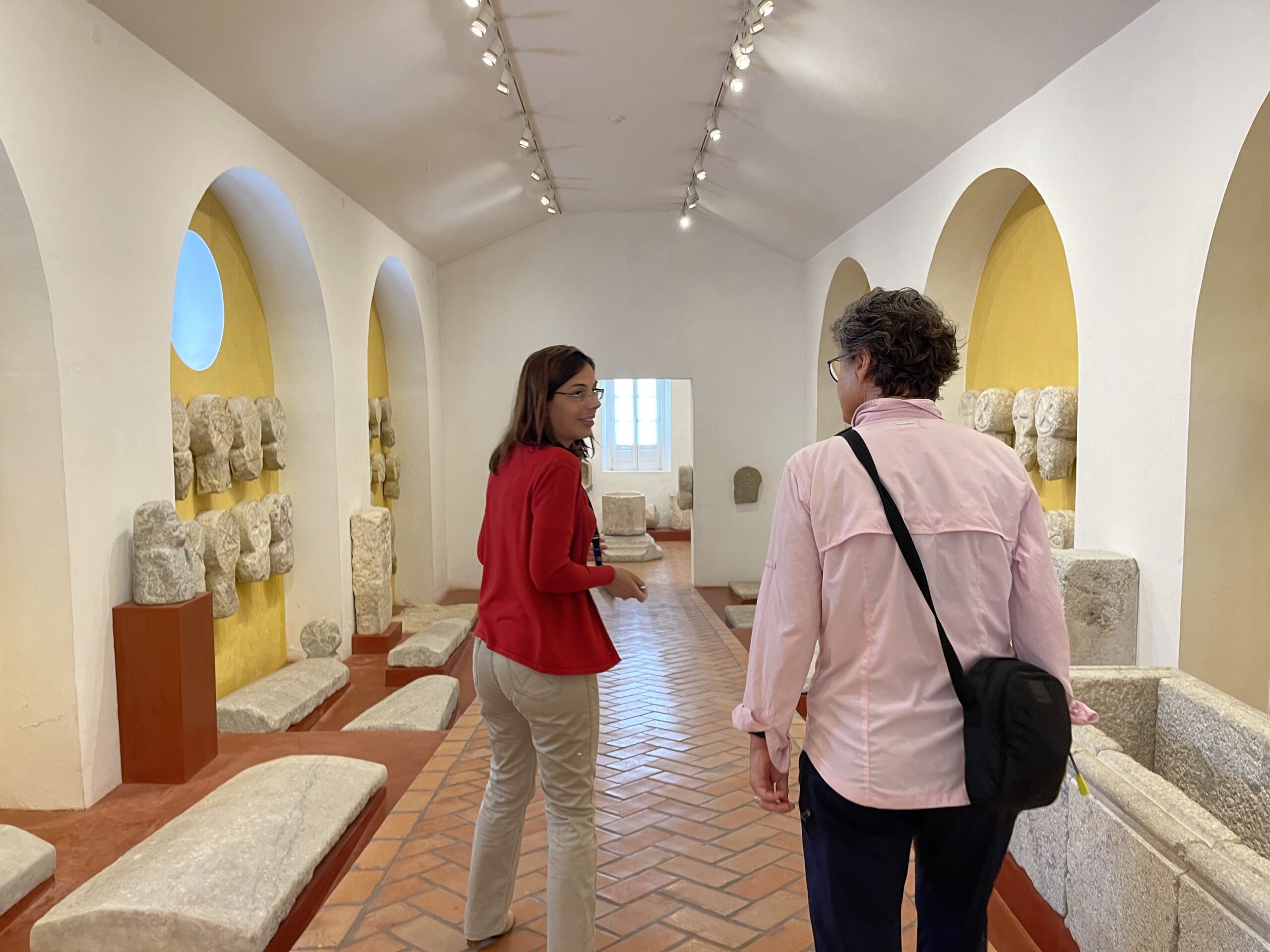
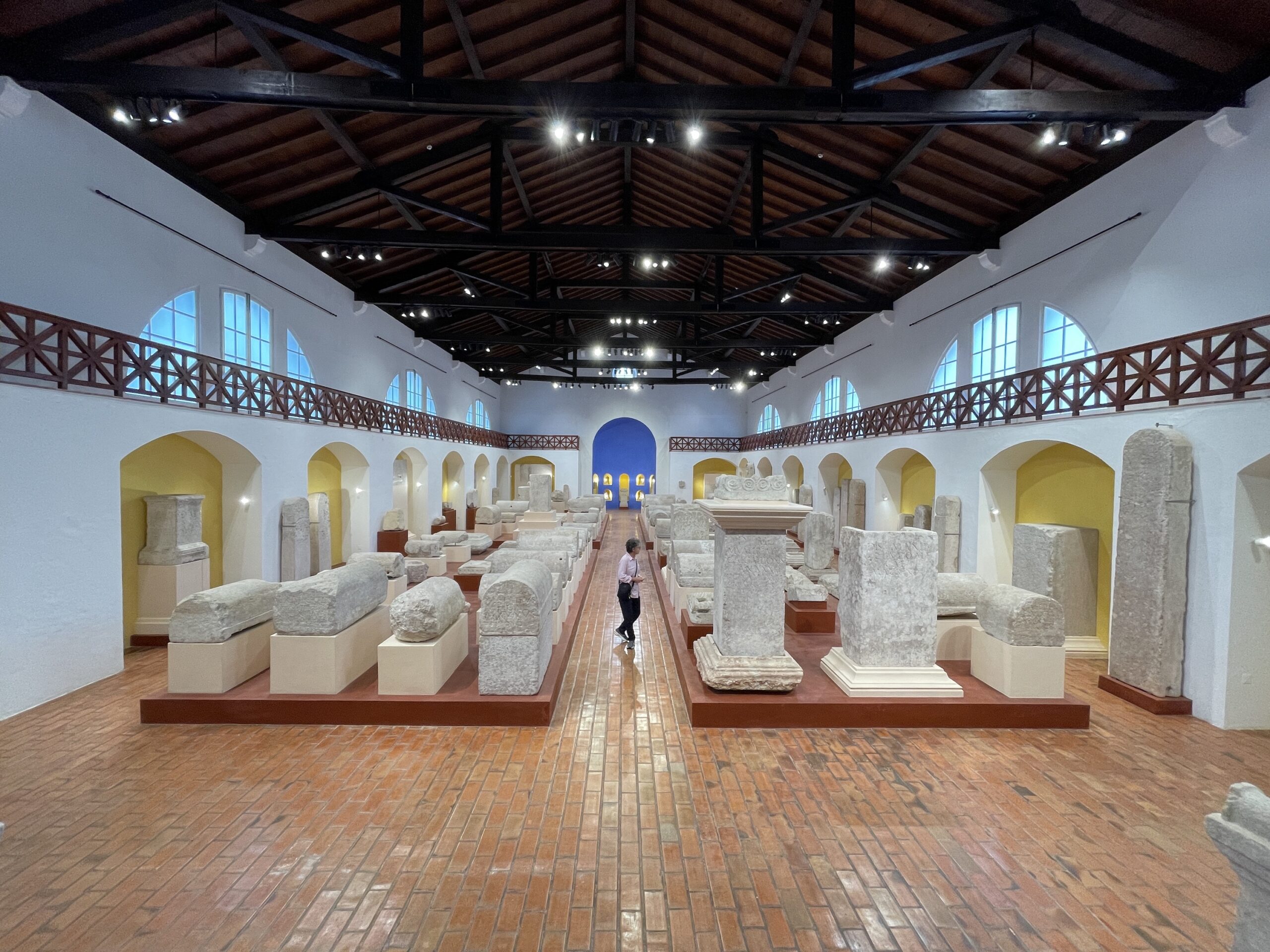
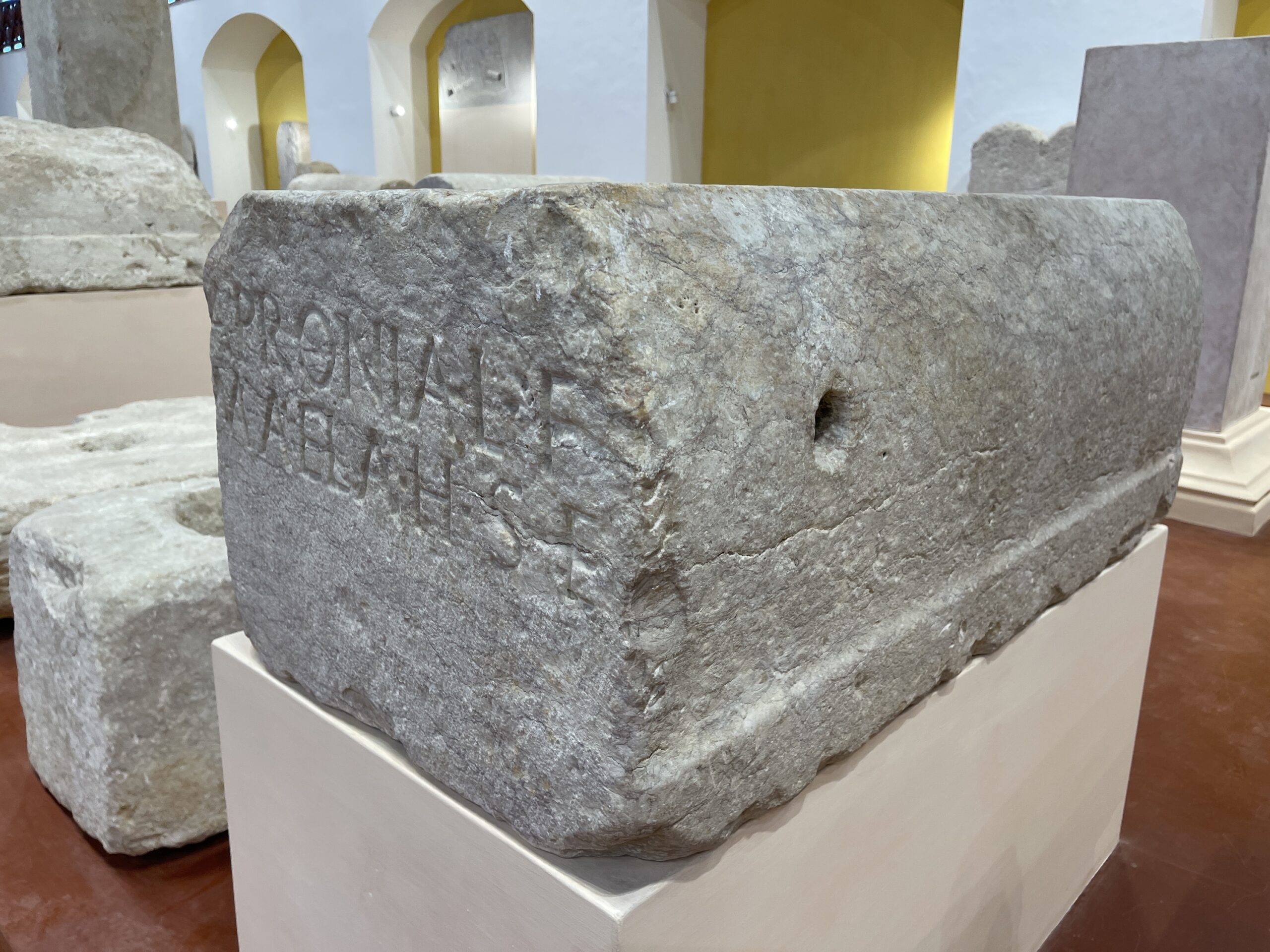
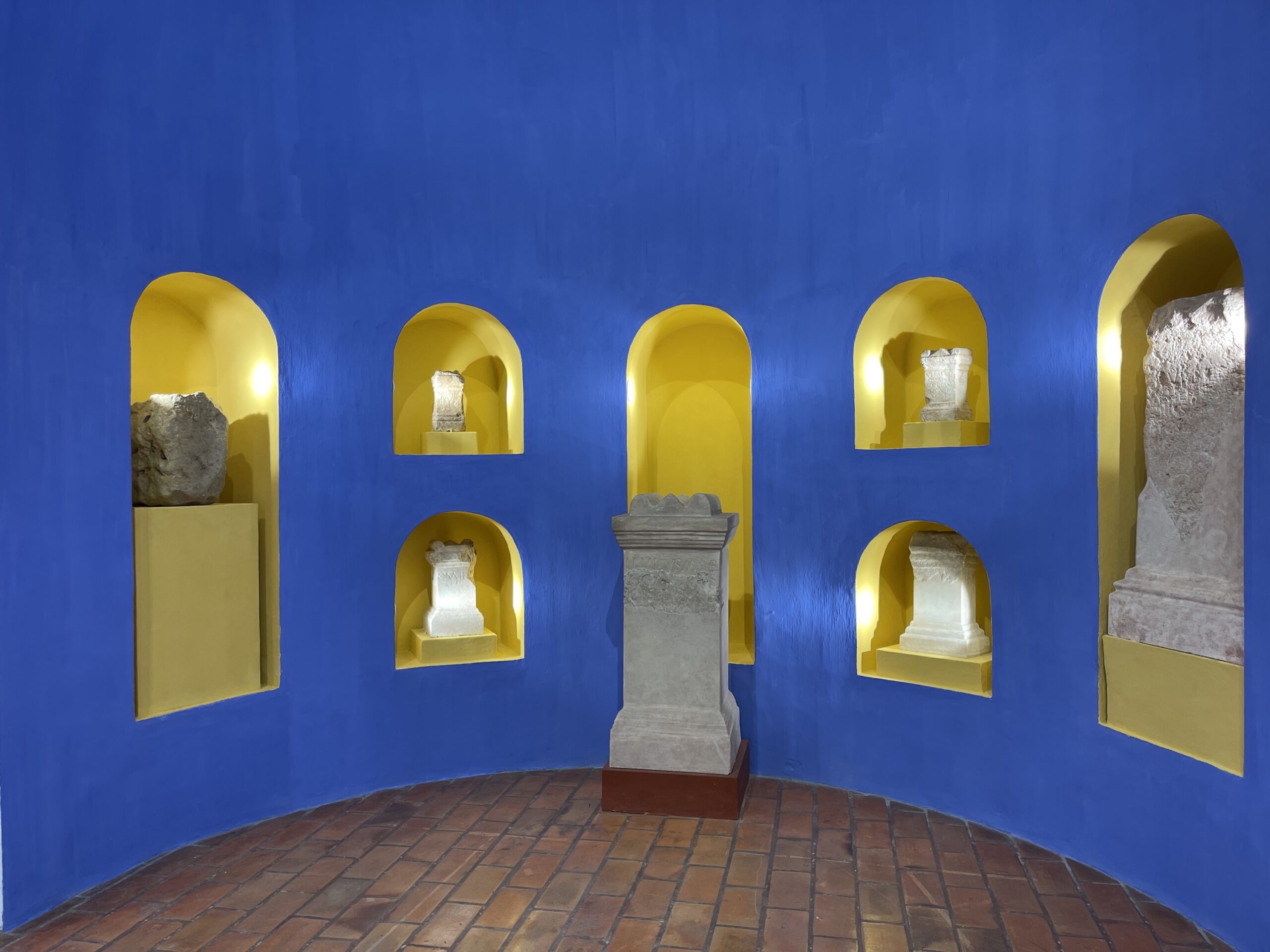
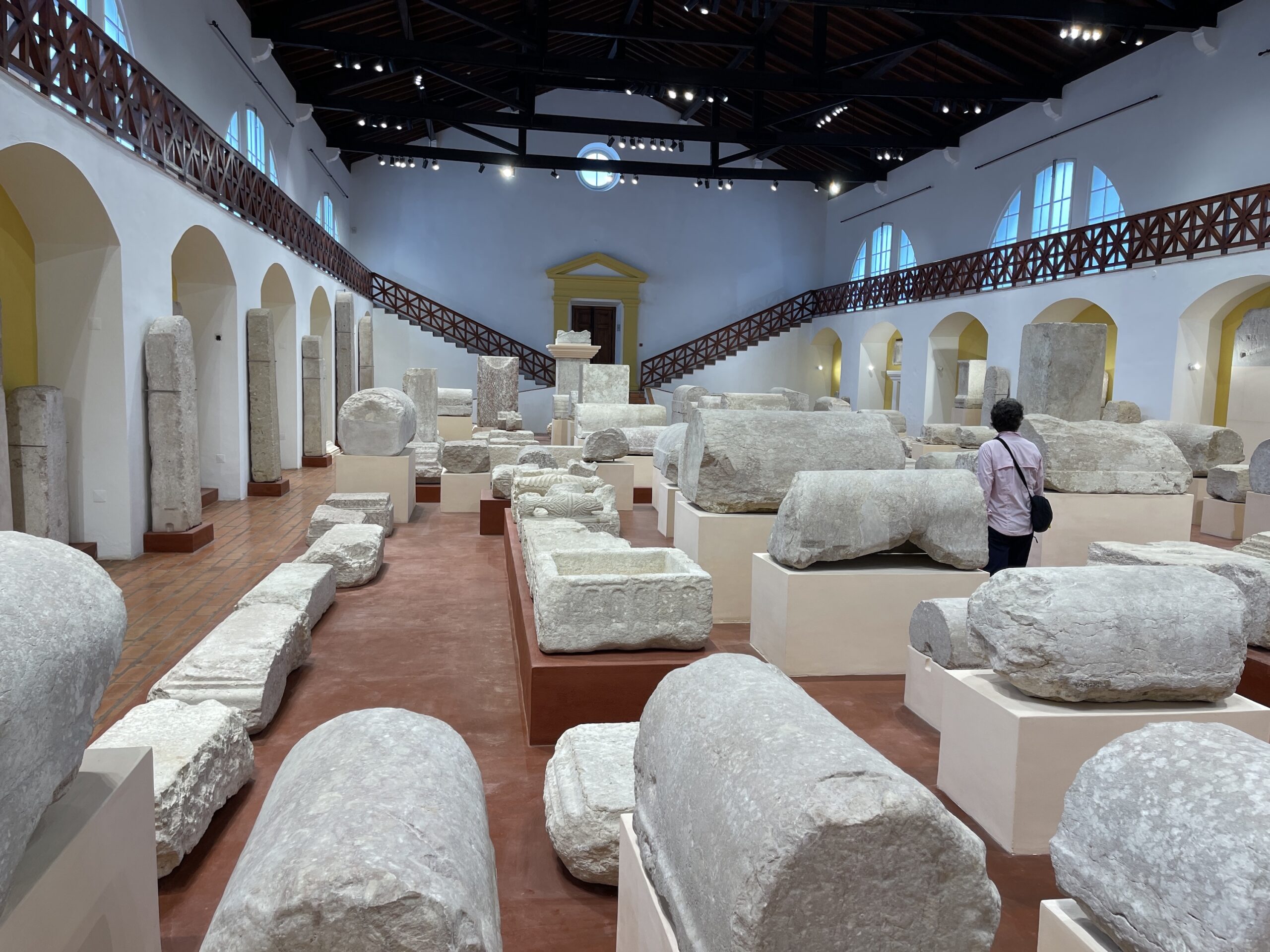
Museu Arqueológico de Odrinhas
The area around the county of Colares has a rich Roman history, with many artifacts scattered around. Many of these are adverts. Roman notables erected tall limestone slabs alongside country roads, inscribed with their names and deets like so many Burma-Shave signs (“A standup guy/too bad he died/Octavius”). Over the years these had been incorporated into local buildings or repurposed in other ways. In the 1960s the local councils gathered as many artifacts as possible into a museum which opened in the ’90s. This was a small but lovely spot just near an archeological dig and we got a personal tour.
The Cork Convento
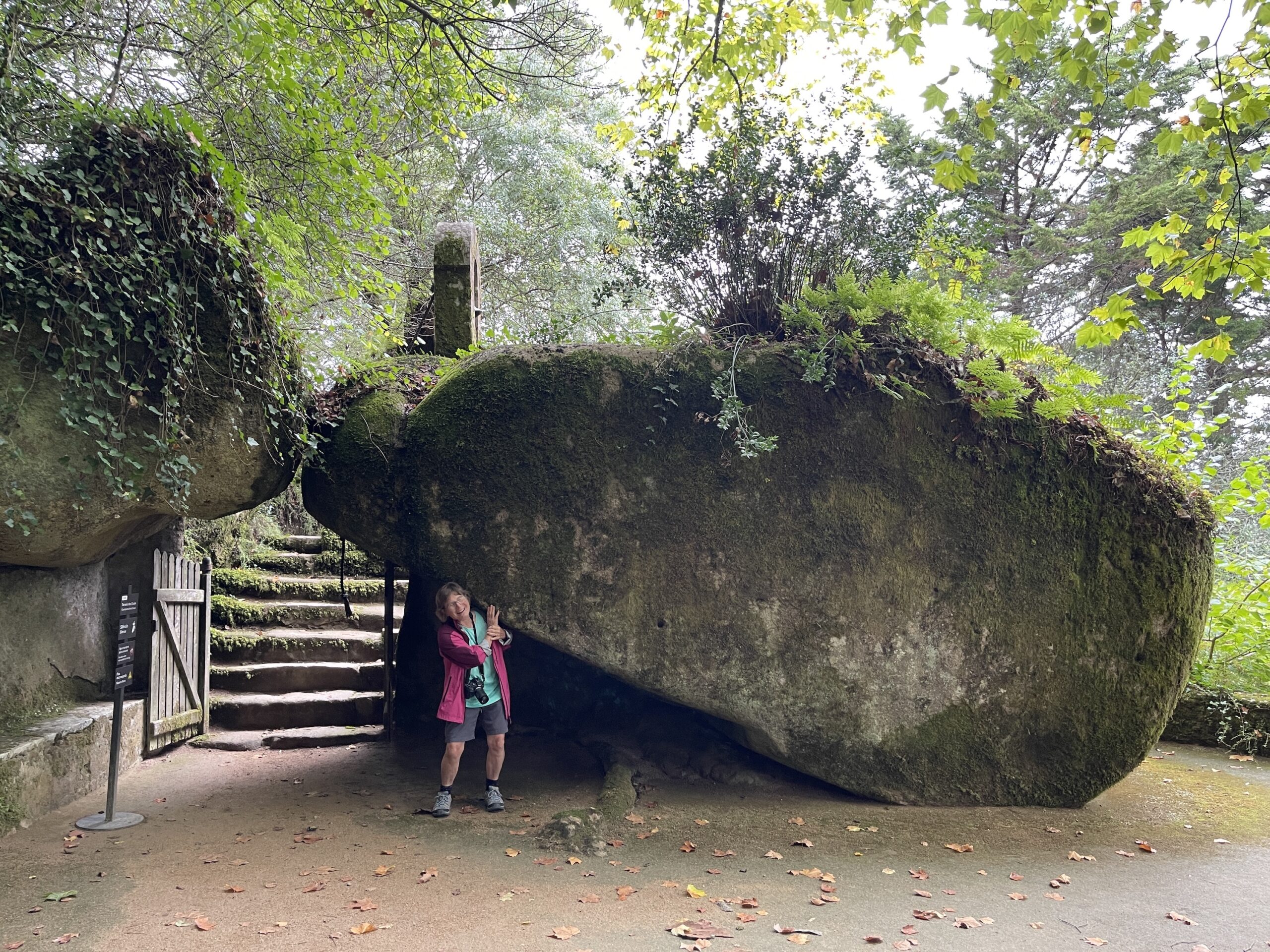
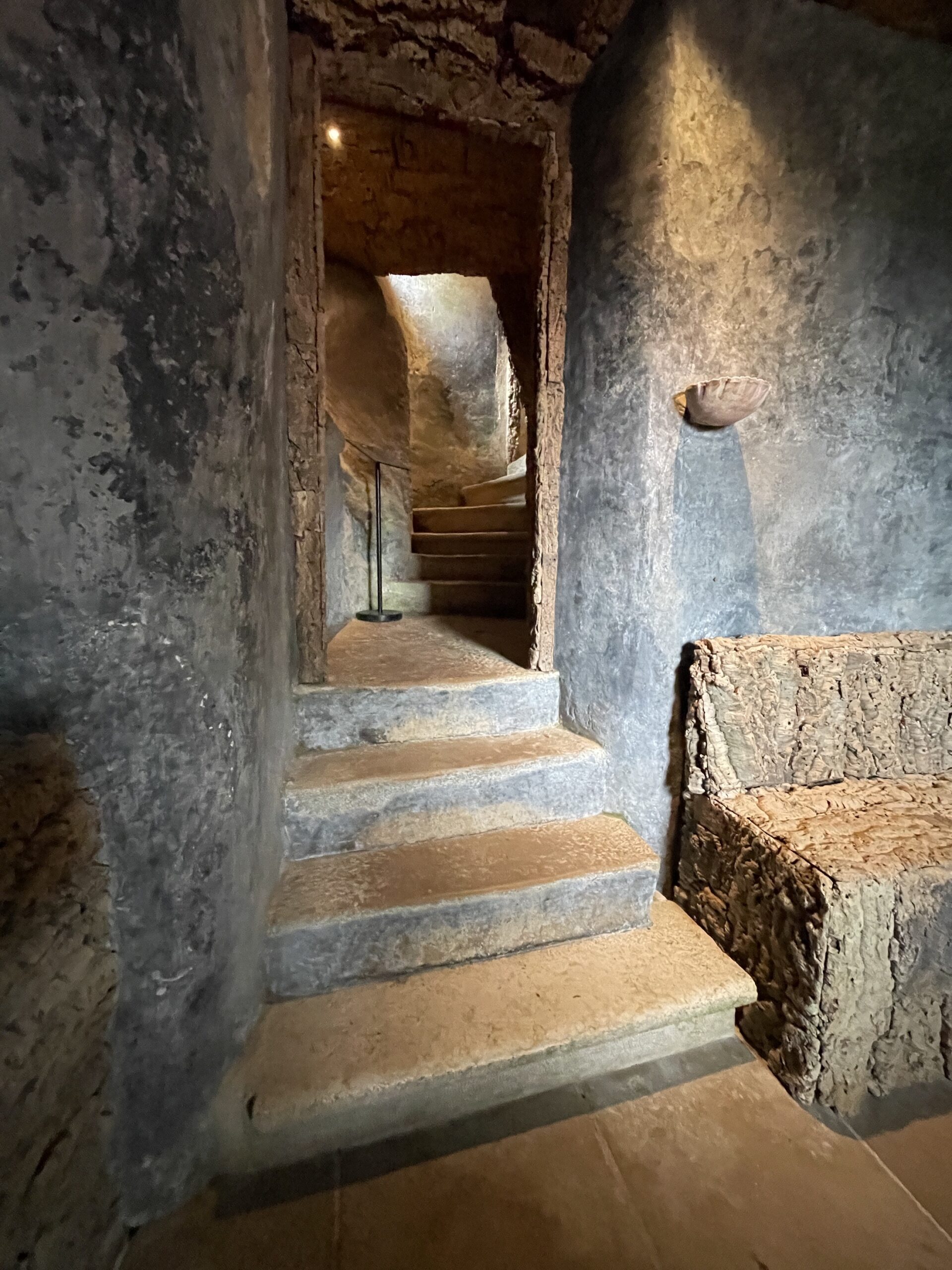
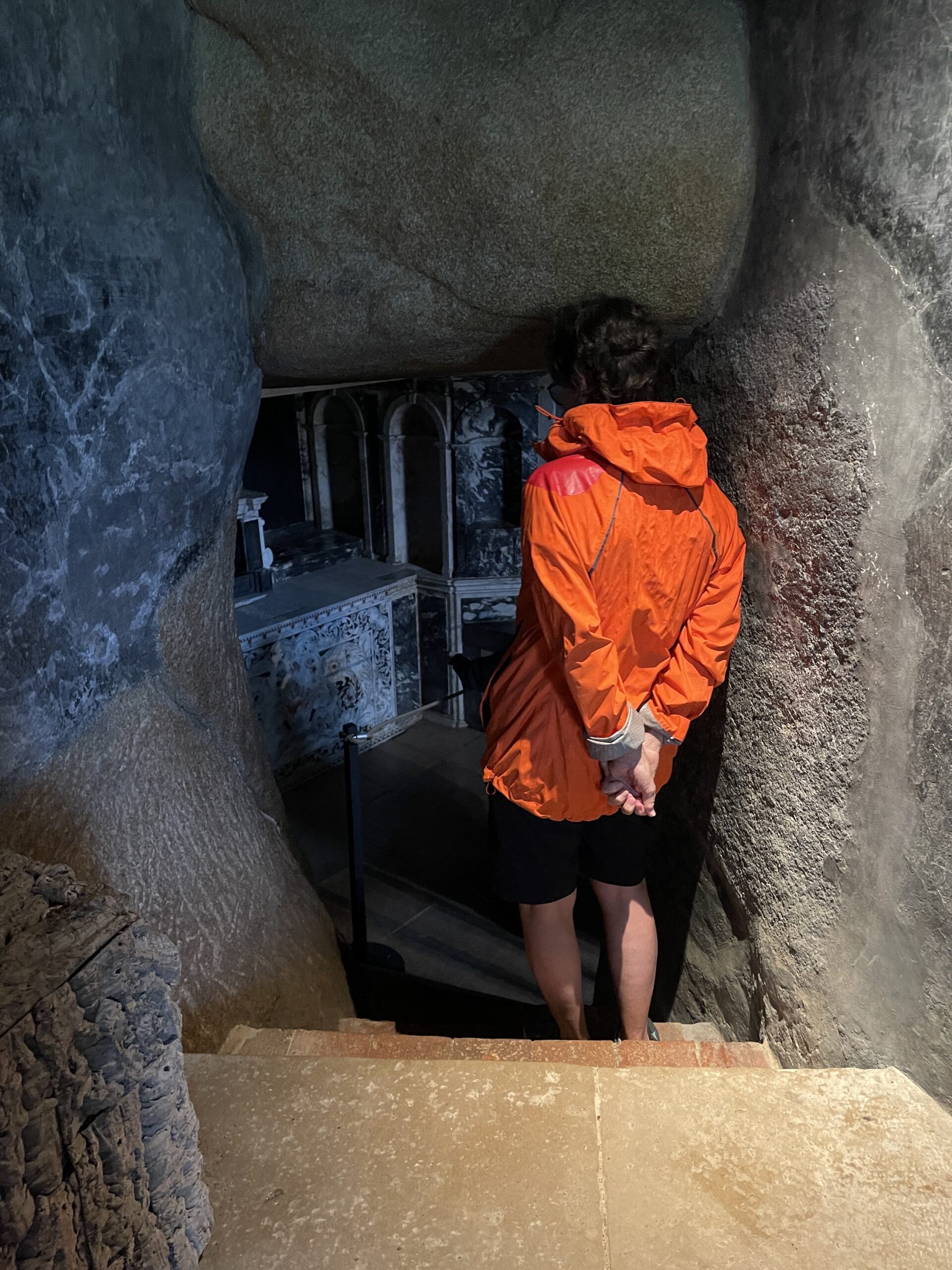
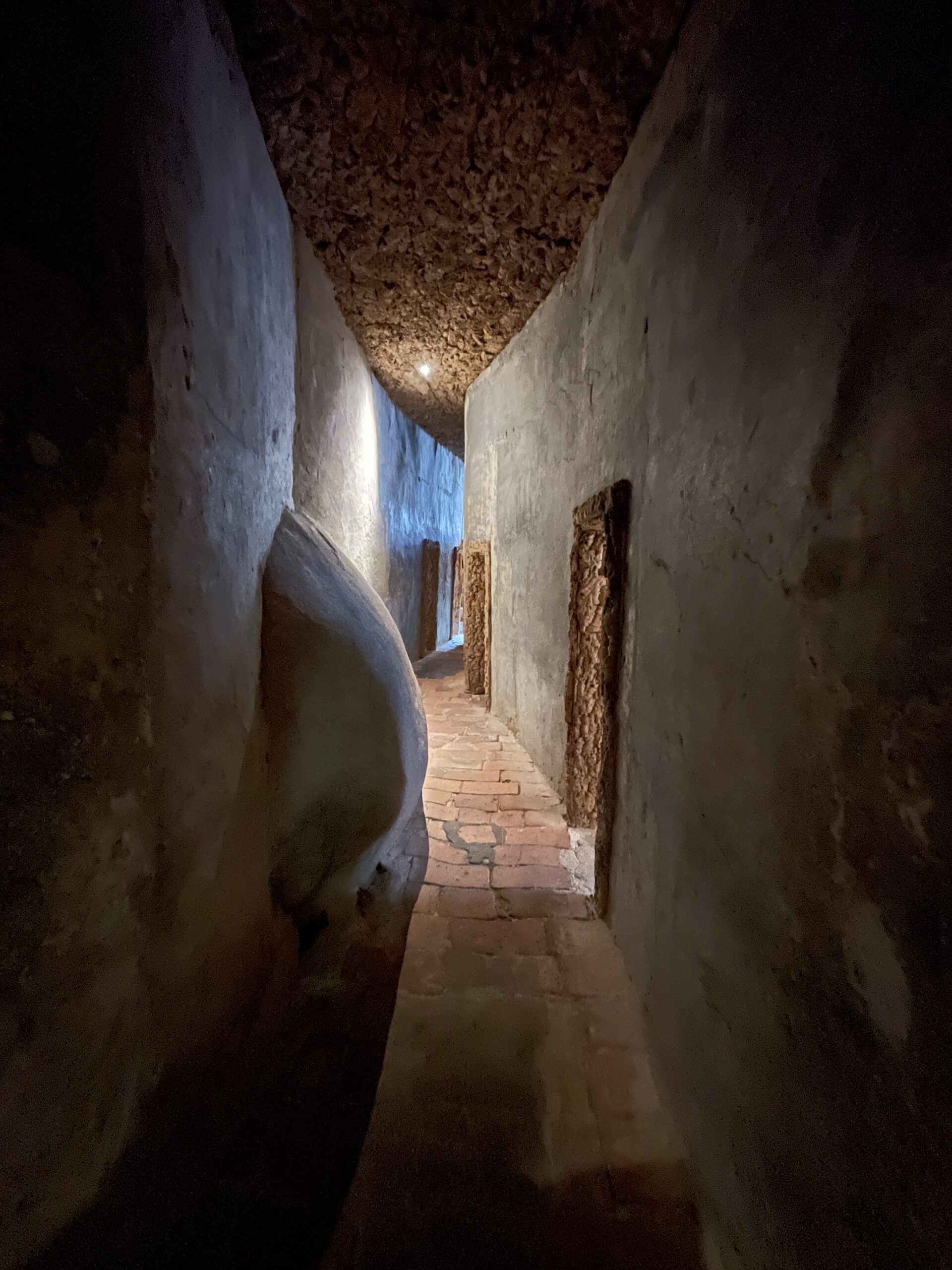
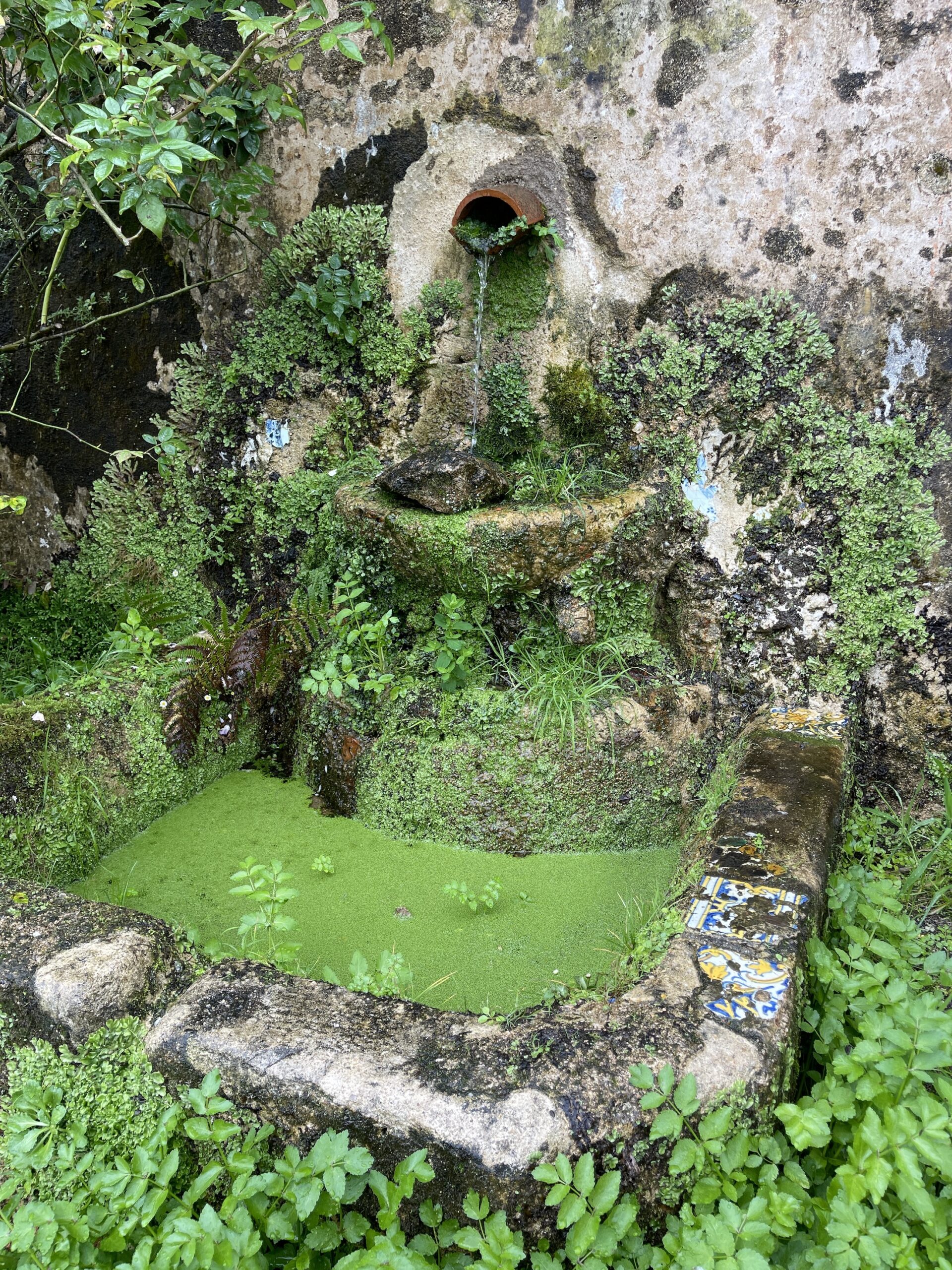
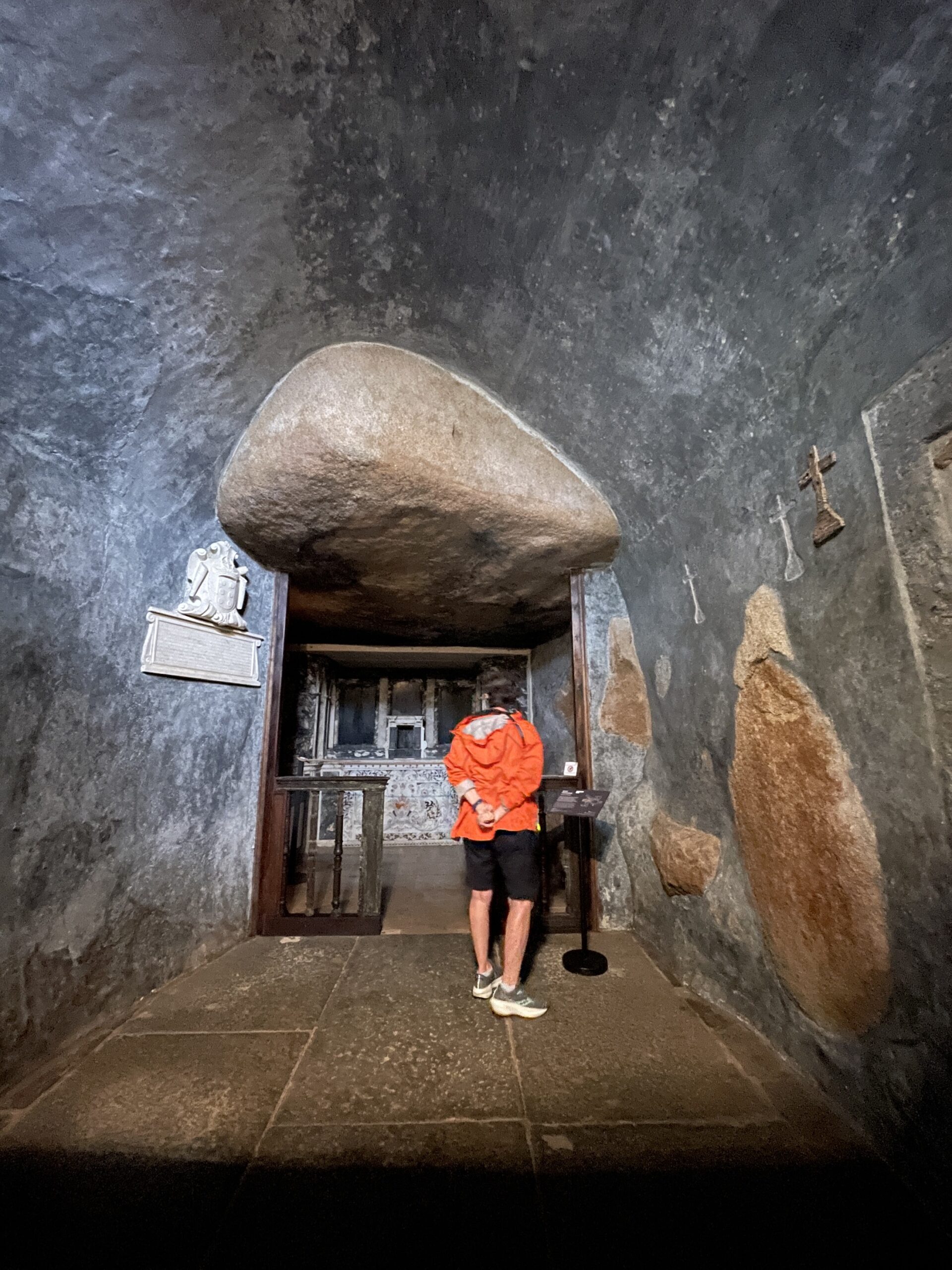
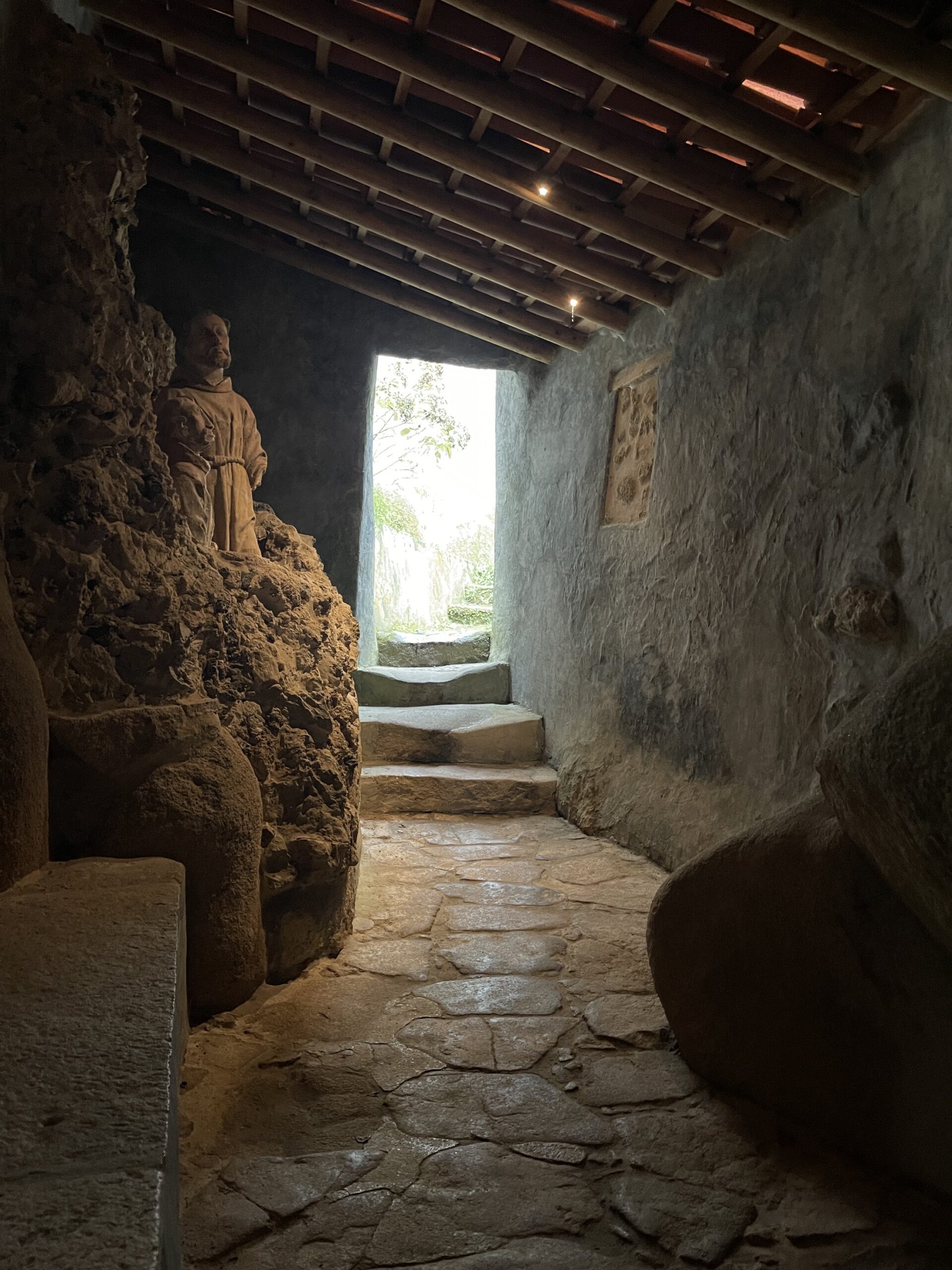
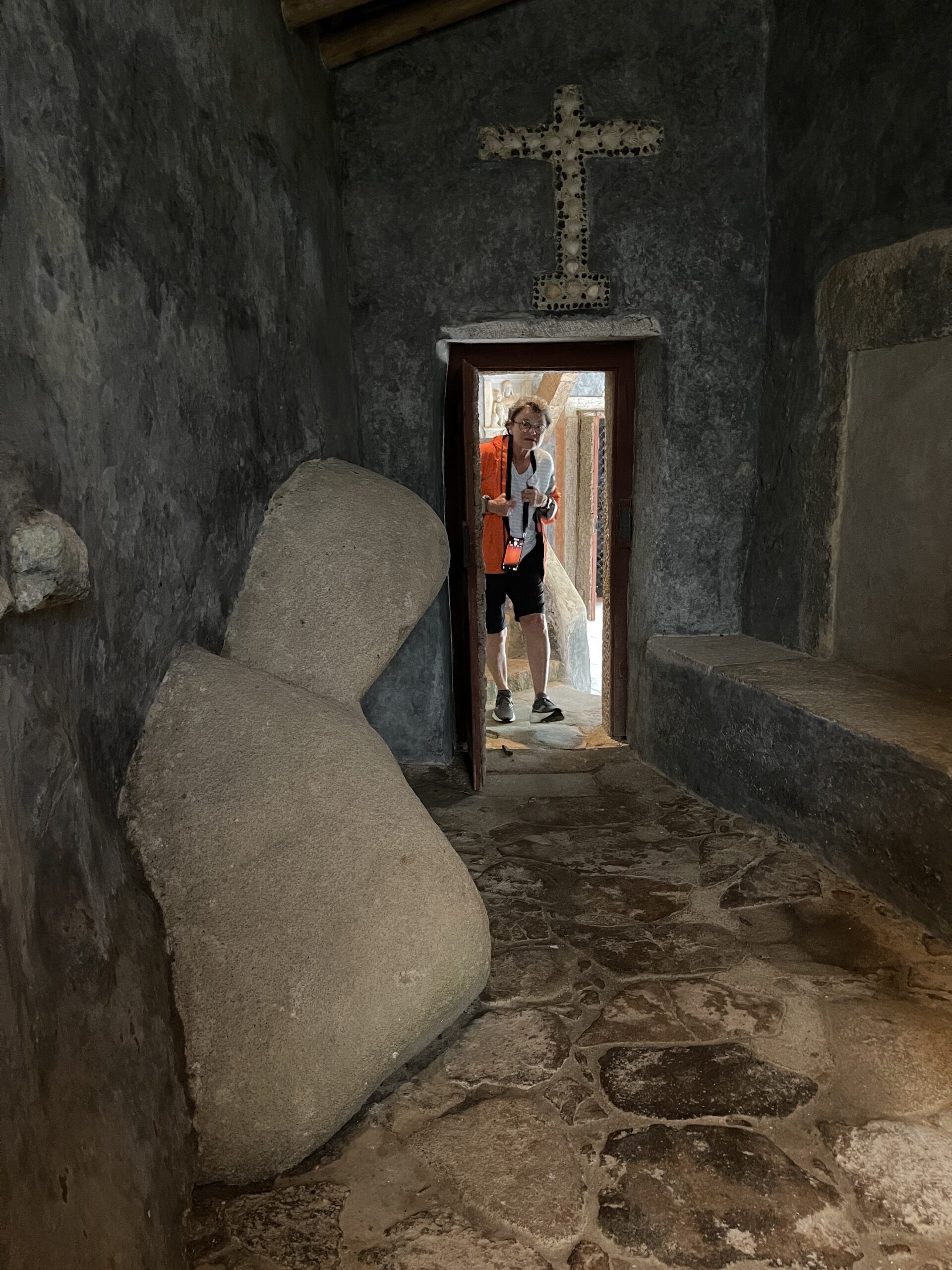
We also visited the Convent of the Capuchos, or “Cork Convent” which is a beautiful old monastery lost in a national forest outside Sintra. Dating from 1560, the moss-covered rambling edifice seemed to grow out of the hill. Passageways wound among boulders. Ceilings were lined with cork, ostensibly for comfort. Since the monks slept on a single blanket in coffin-sized cells, we’re not talking comfy despite the cork.
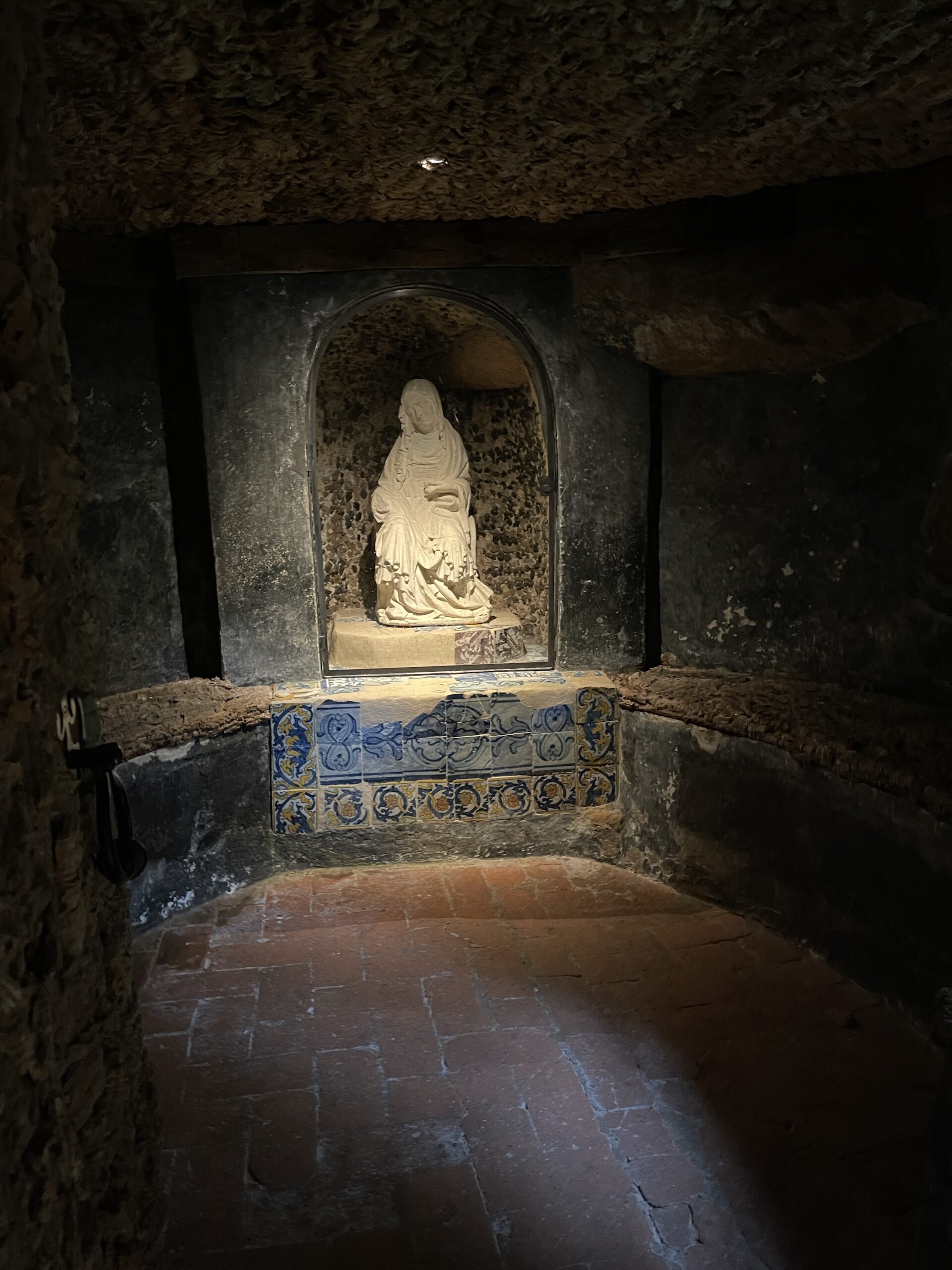
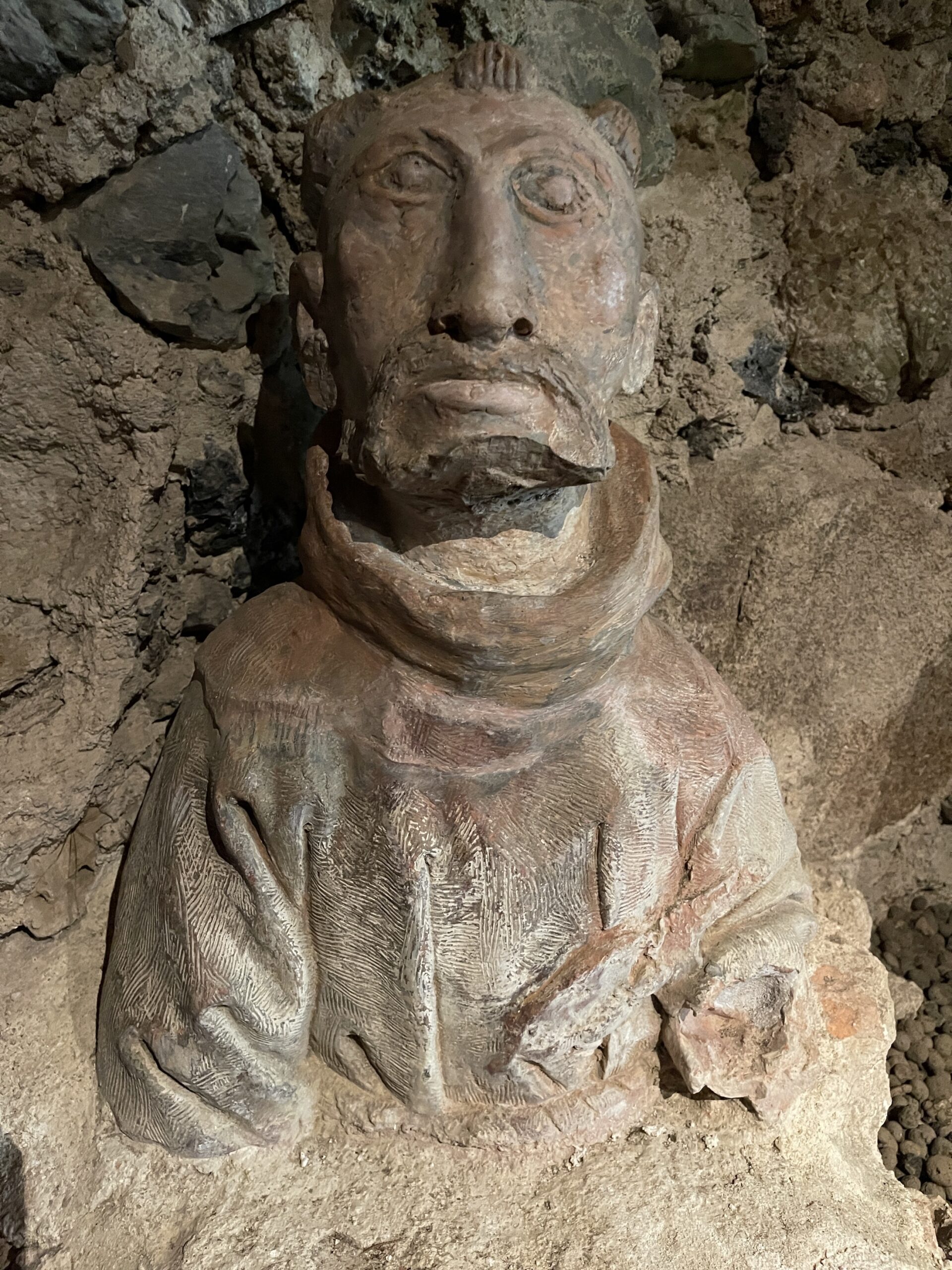
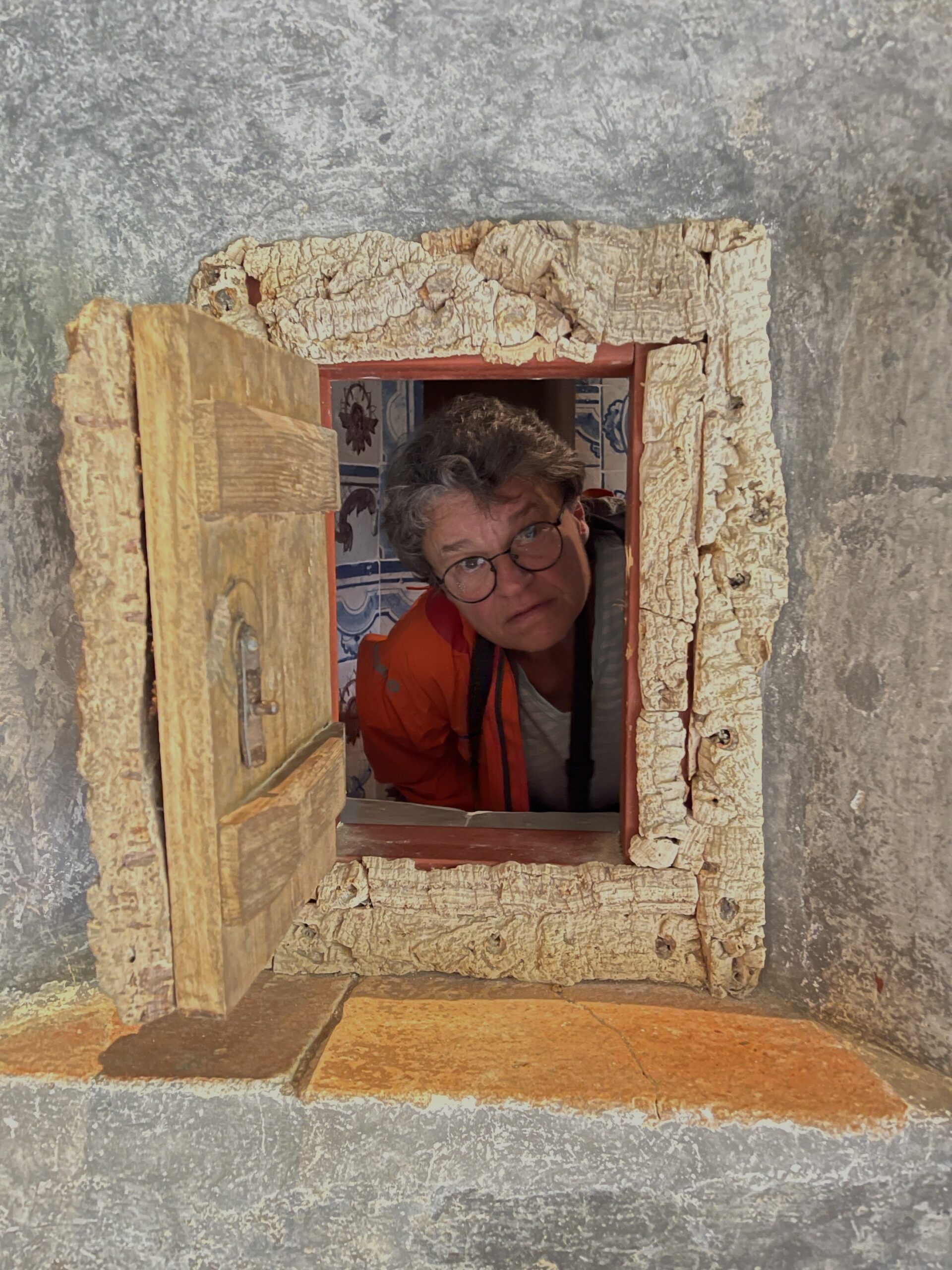
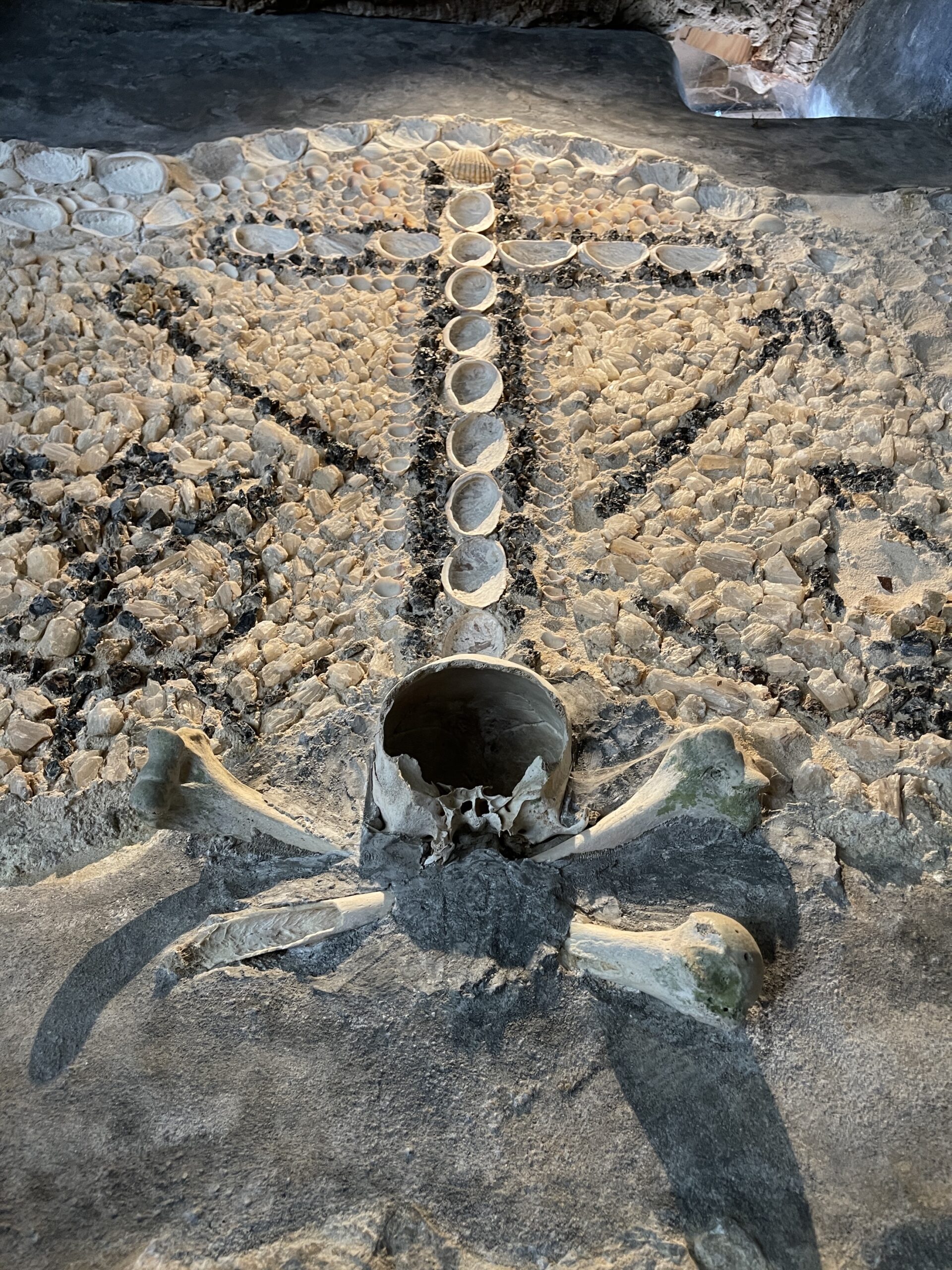
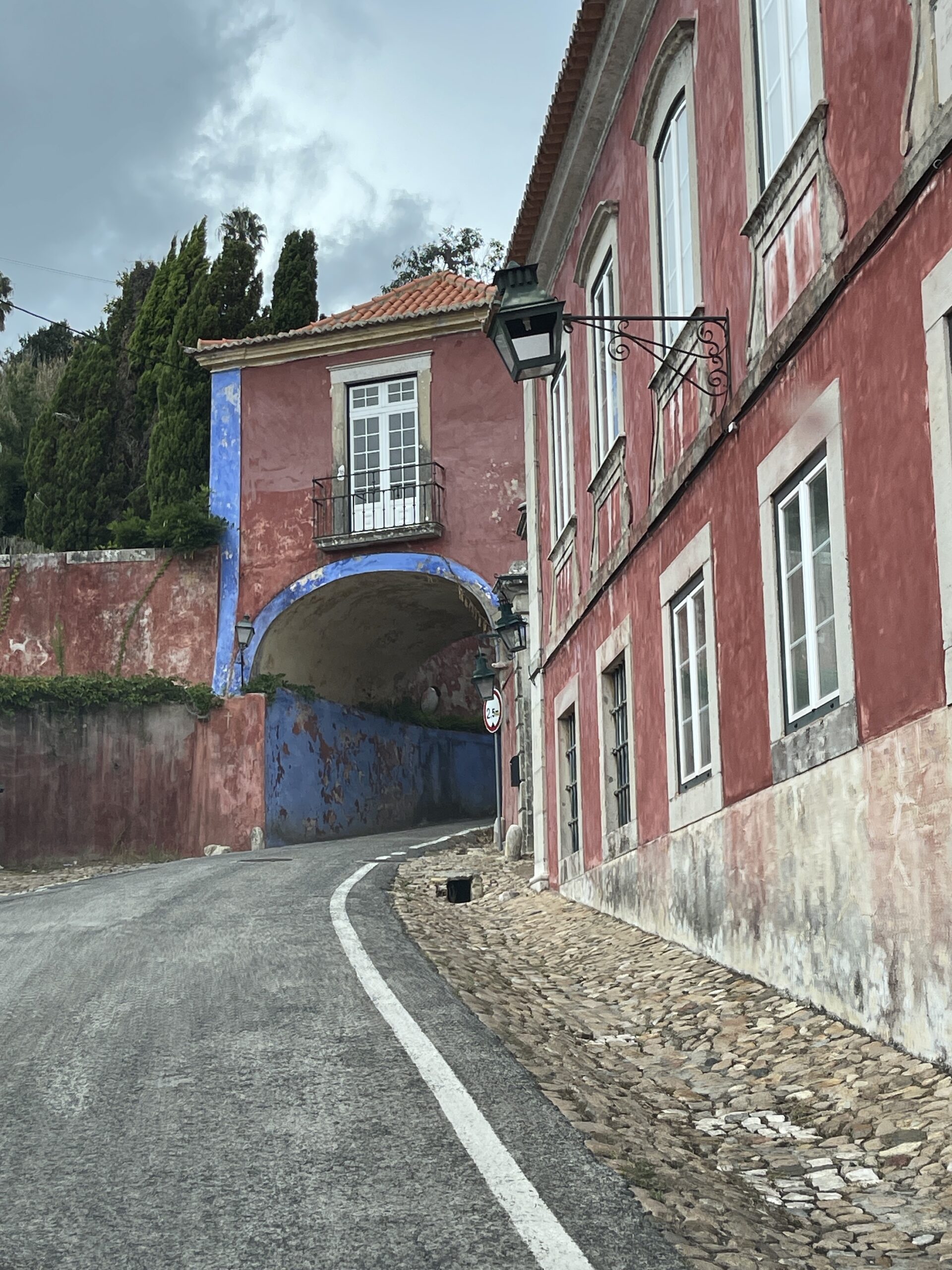
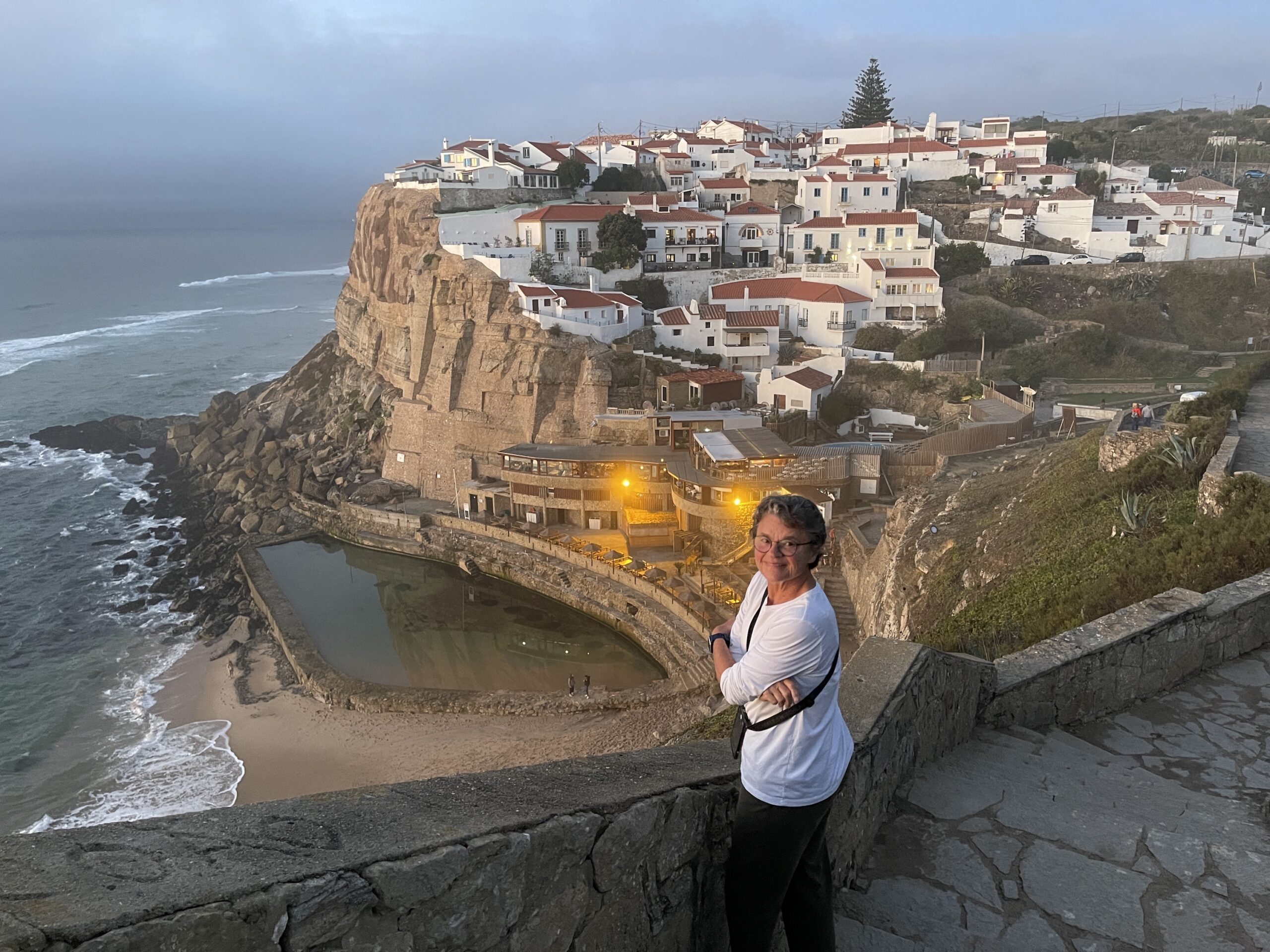
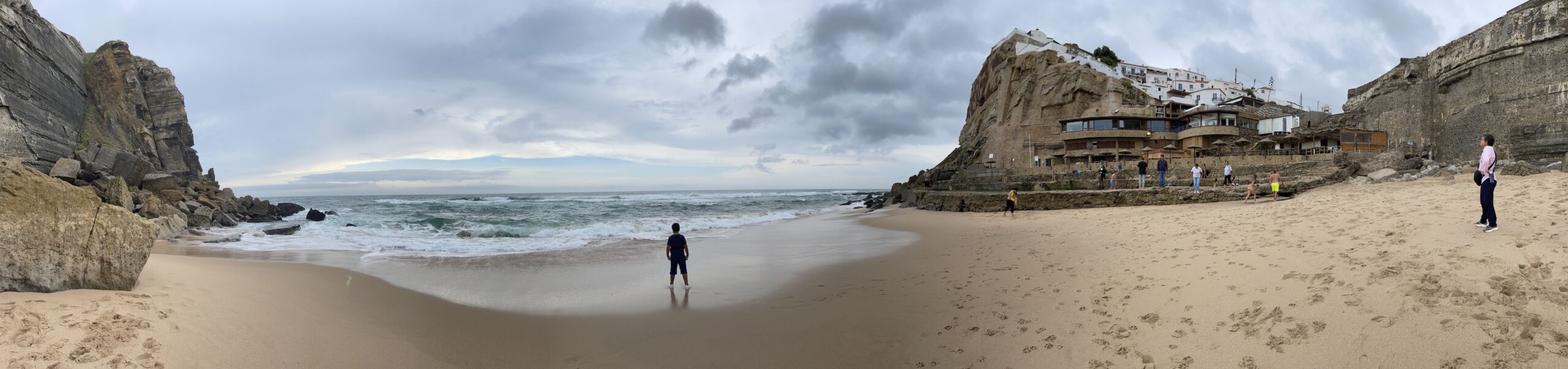
Azenhas do Mar – a village, a cliff, a sunset
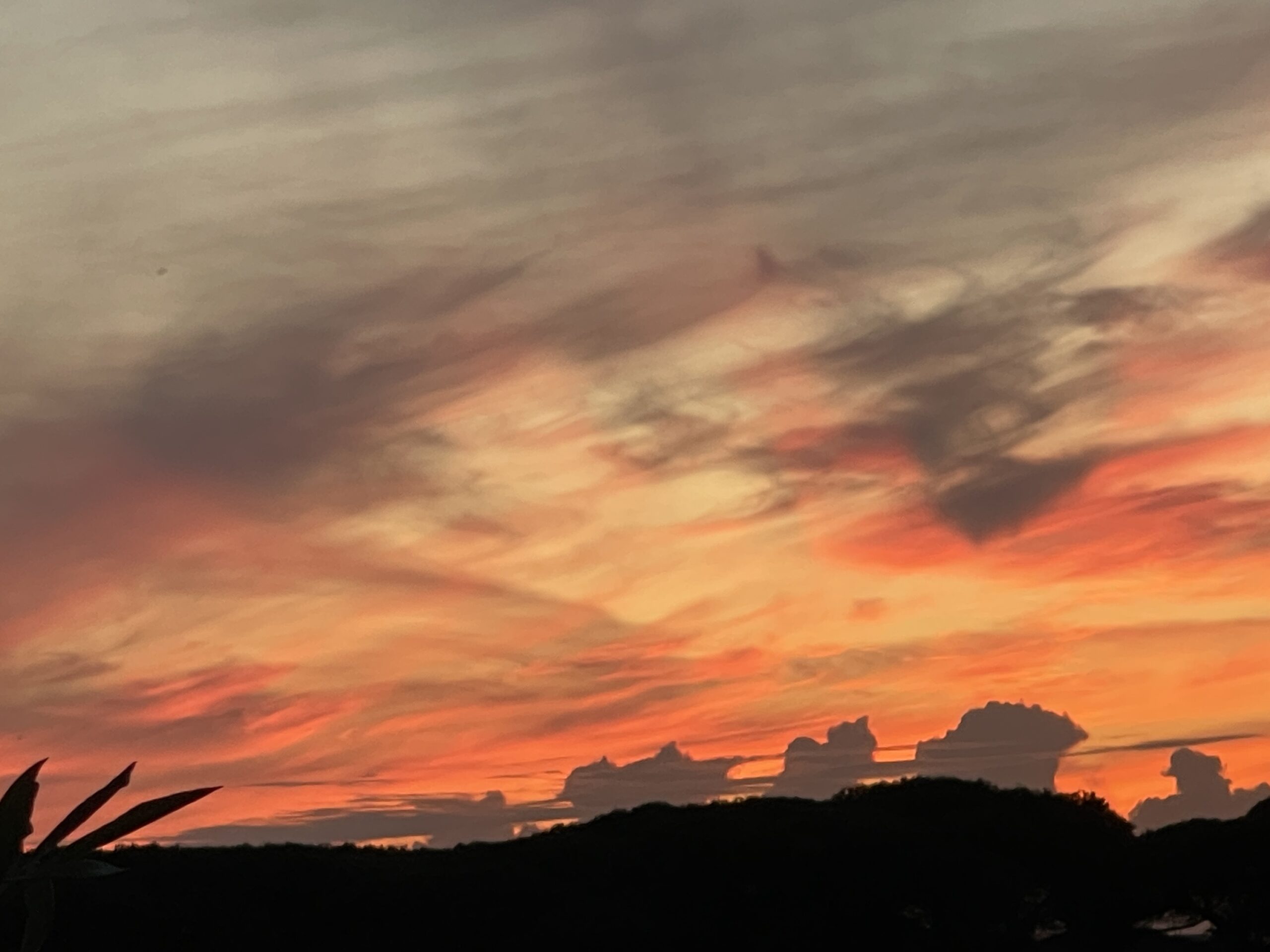
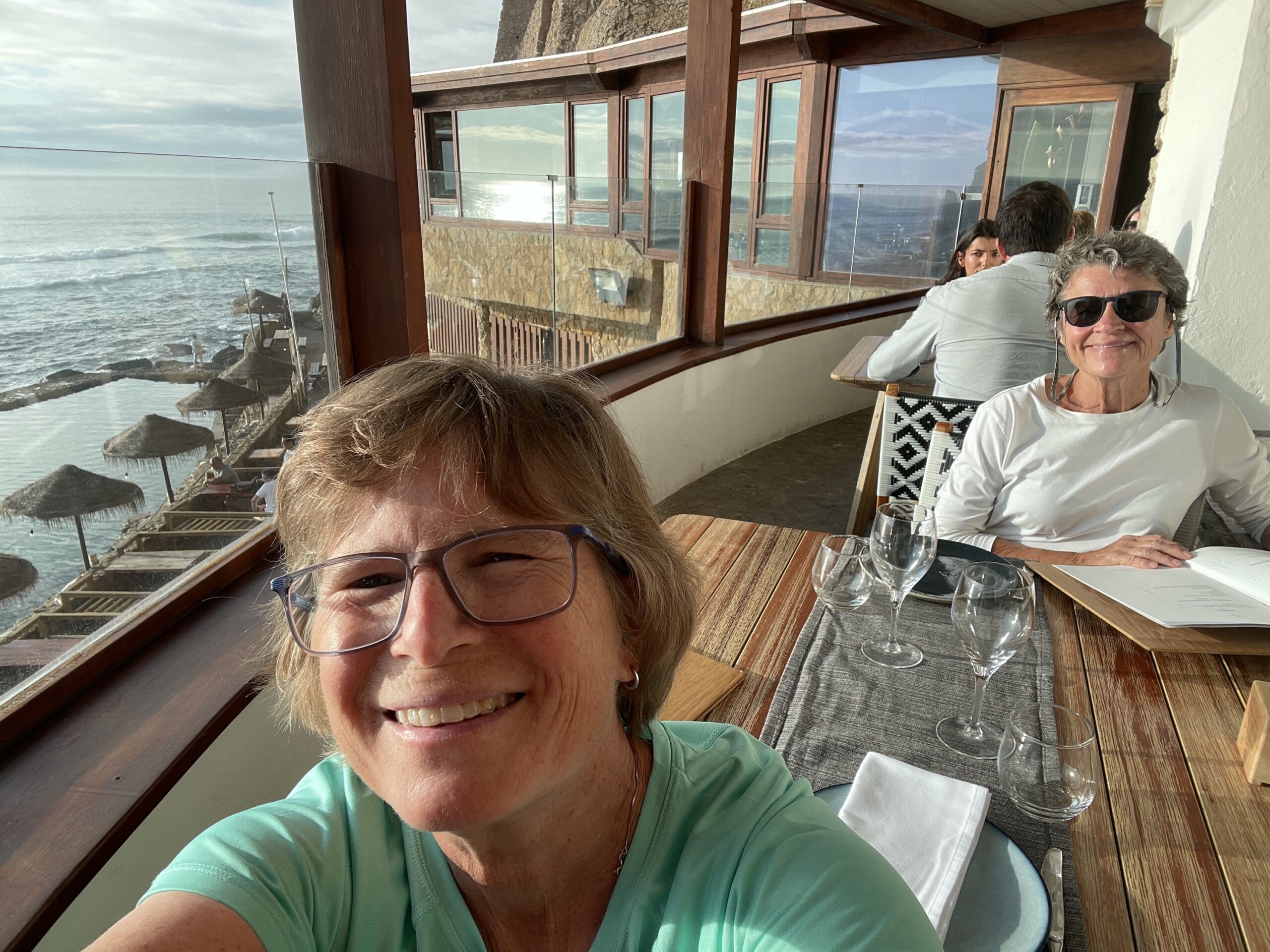
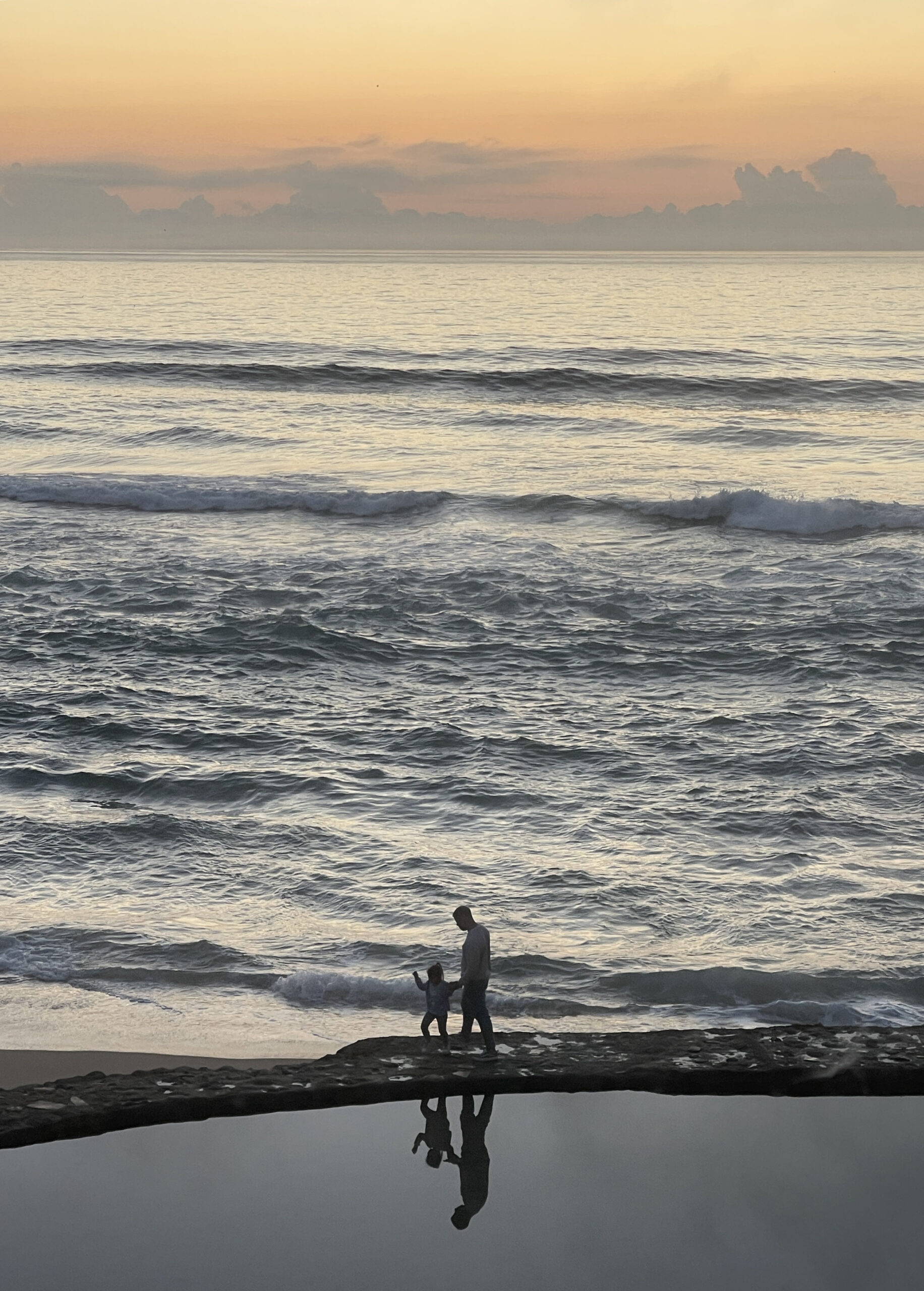
On a previous drive, we had happened upon a village perched above a beautiful bay that had a manmade saltwater pool by the ocean breakers. There was also a restaurant with a view to die for. For our last night in the area, we made reservations and enjoyed the sunset as children played below the cliff.
Comments
4 responses to “Deep time in the old country”
If this is your first time commenting, Marida will need to approve you before your comments will be visible. Patience, grasshopper!
So, those large smooth rocks? Not glacial erratics? Love all the old stuff. Such beauty. You really can plan a trip. How’s the communication? I know you know Spanish. Does that make it easier?
They could be glacial erratics. But we certainly didn’t see any others around; all the rocks are a bright yellow limestone. The language thing is HARD. Written Portugues is close enough to Spanish that I can get the gist; but the pronunciation is hopelessly different and it doesn’t help that I have a strong urge to talk to people in Spanish, which they do not take kindly to. Honestly, it’s amazing how many people speak English.
Absolutely beautiful & intriguing!
It’s an example of how a change in plans can work out in other ways. We had originally planned on going into Lisbon on those days.