We opted for a few of Viking’s optional (read: “expensive”) shore activities. Marida did the Viking Longship museum in Roskilde, Denmark and later the famous burial site of Lindholm Hoje. Both included too many stops to cast more than a superficial glance at any one site, i.e., “Folks, here’s the museum. There are the bathrooms. Meet me at the bus in 25 minutes.” The exception was our excursion to Stutthof Concentration Camp outside of Gdansk, Poland. This an all-day, in depth, moving experience.
A Day in the life of a Viking
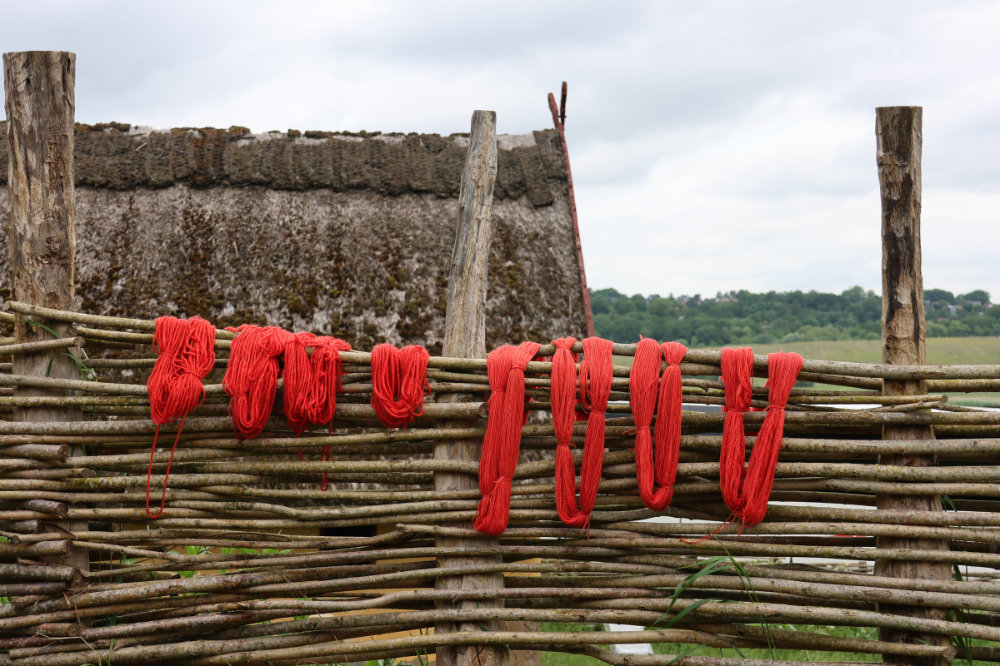
This is a large family farming complex authentically rebuilt and staffed by volunteers in handmade period costumes. They were knowledgeable and interested in sharing information, but the visit was too short to do too much interacting.
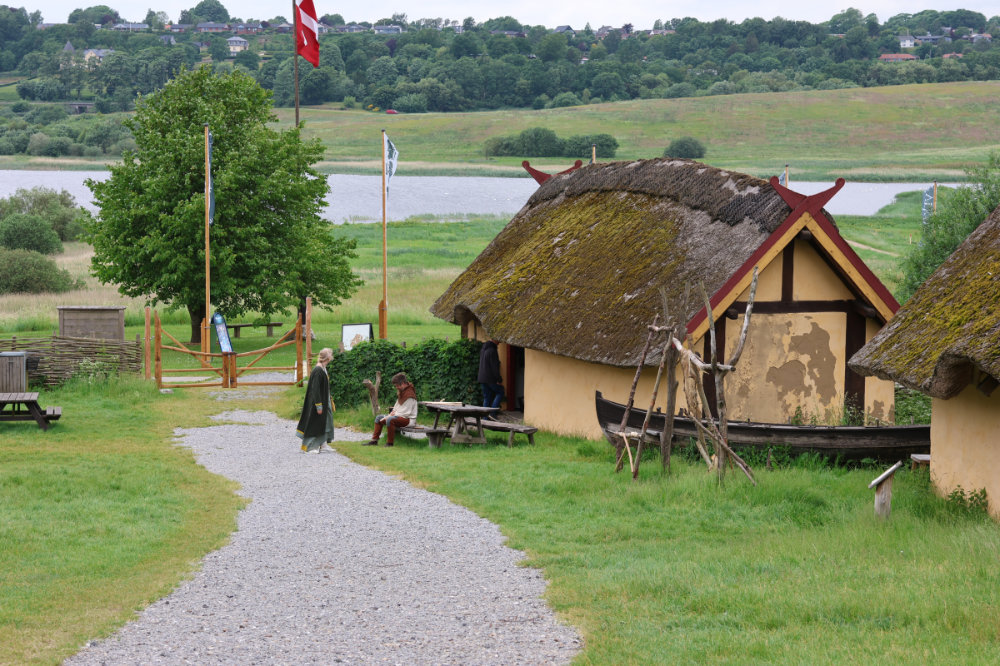
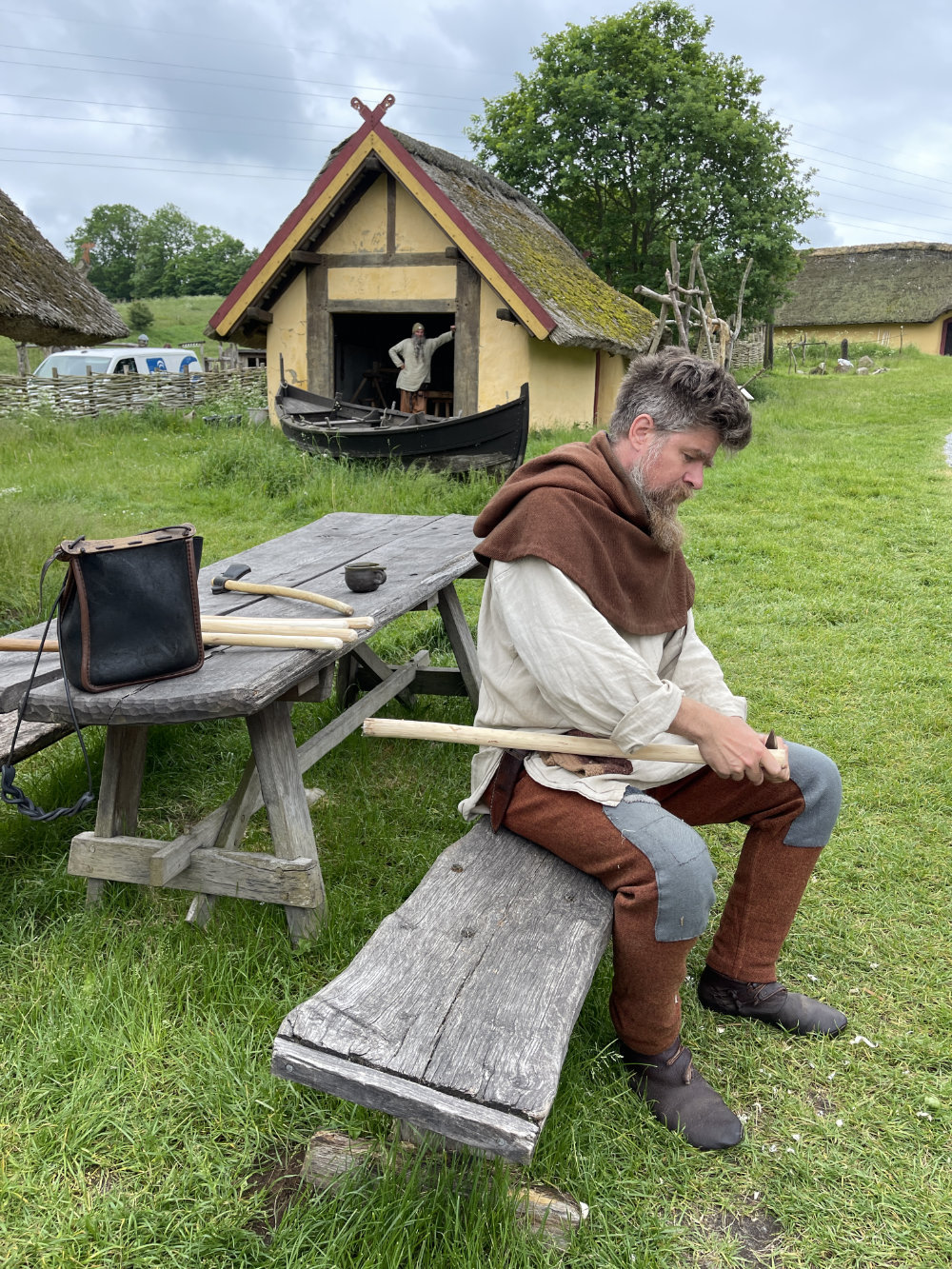
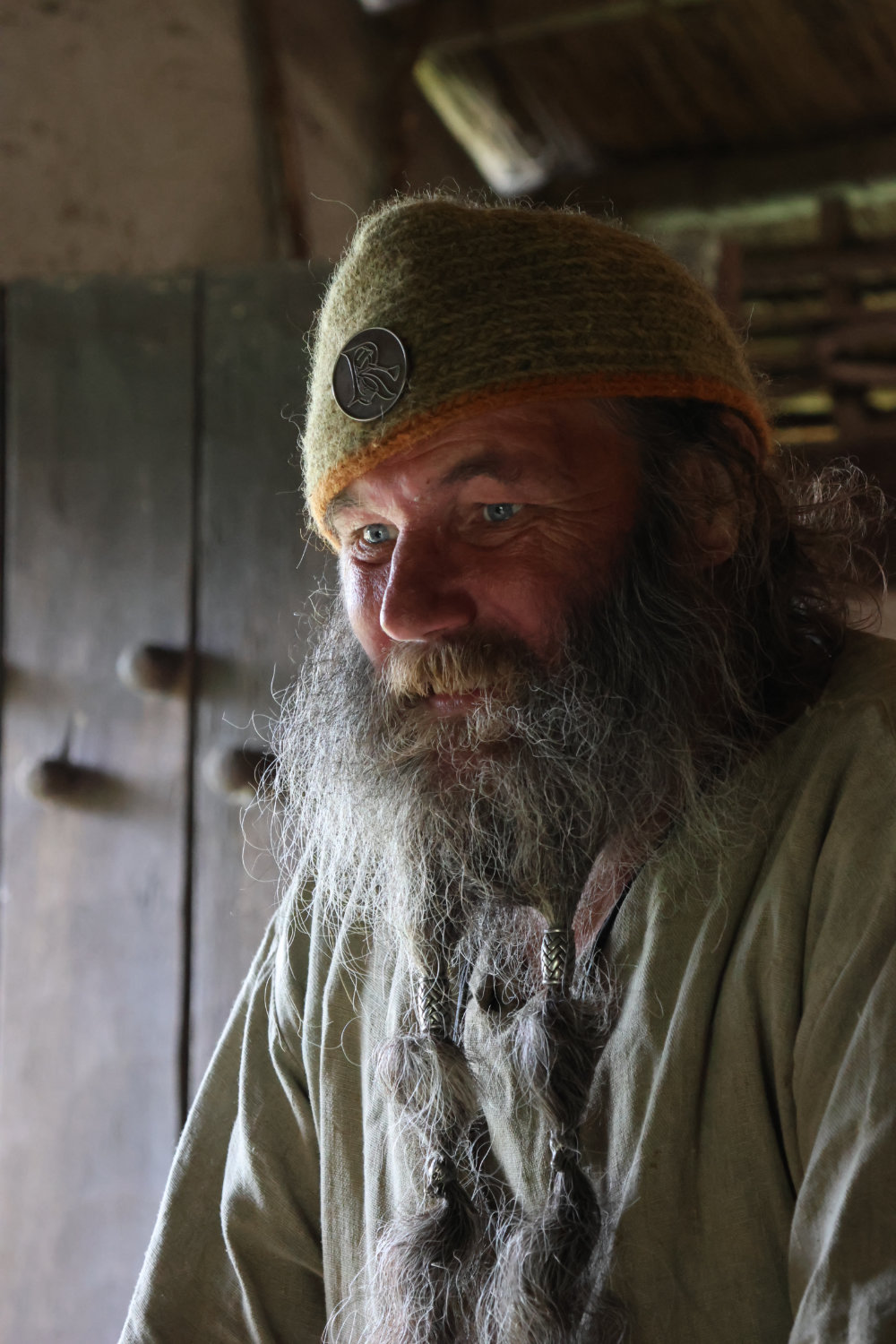
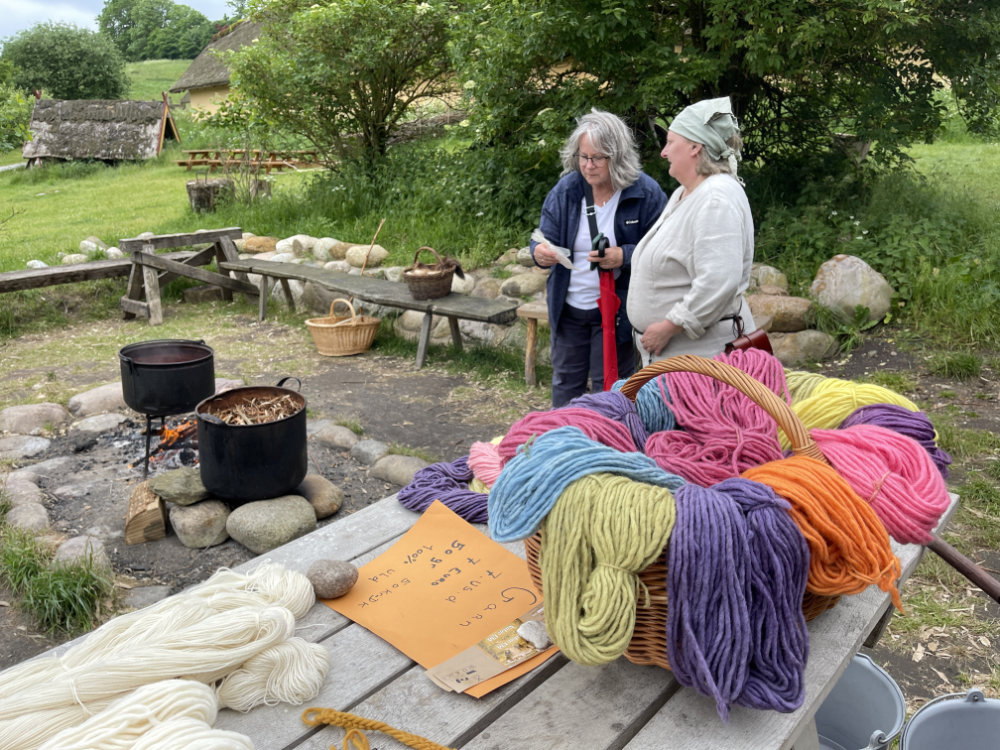
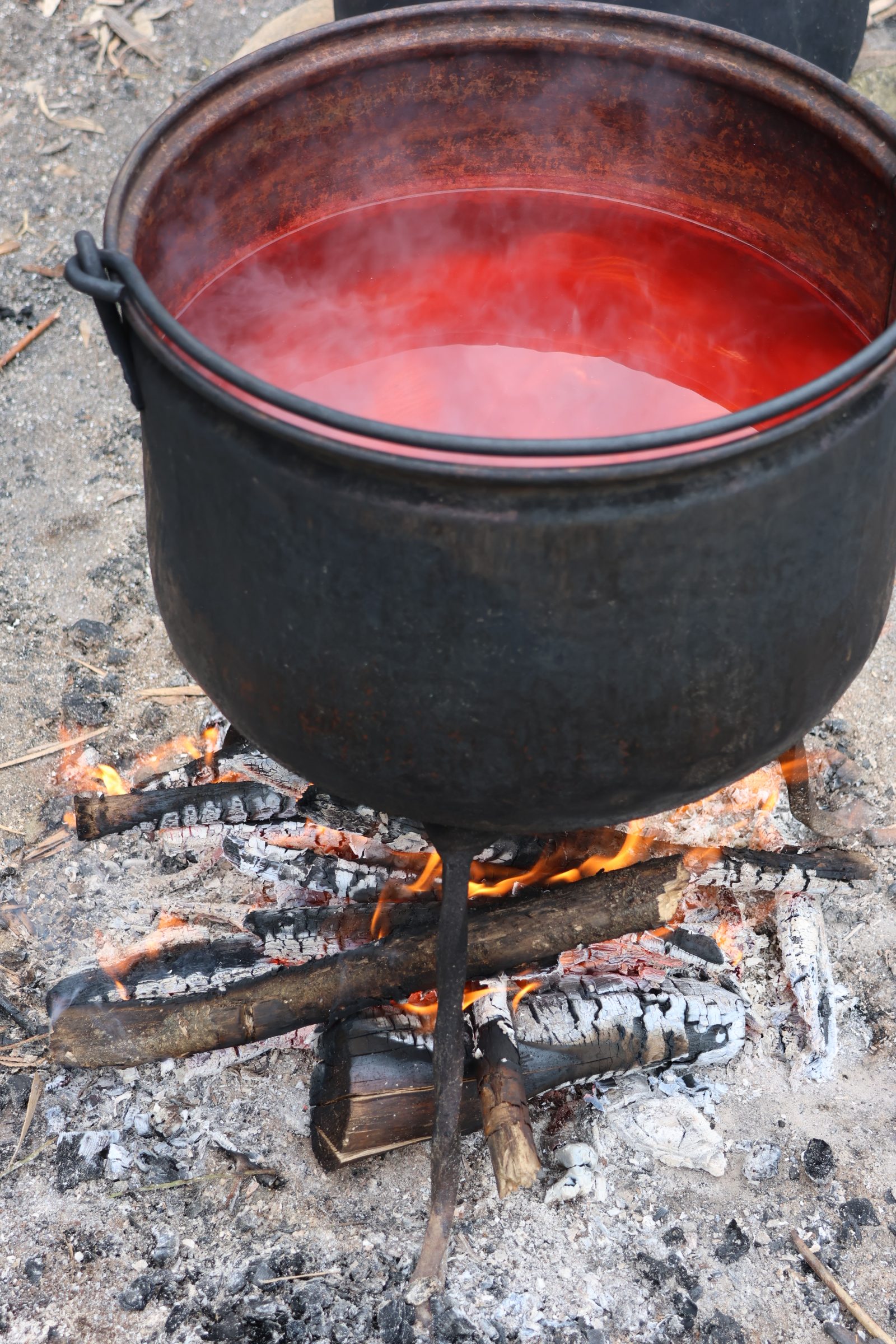
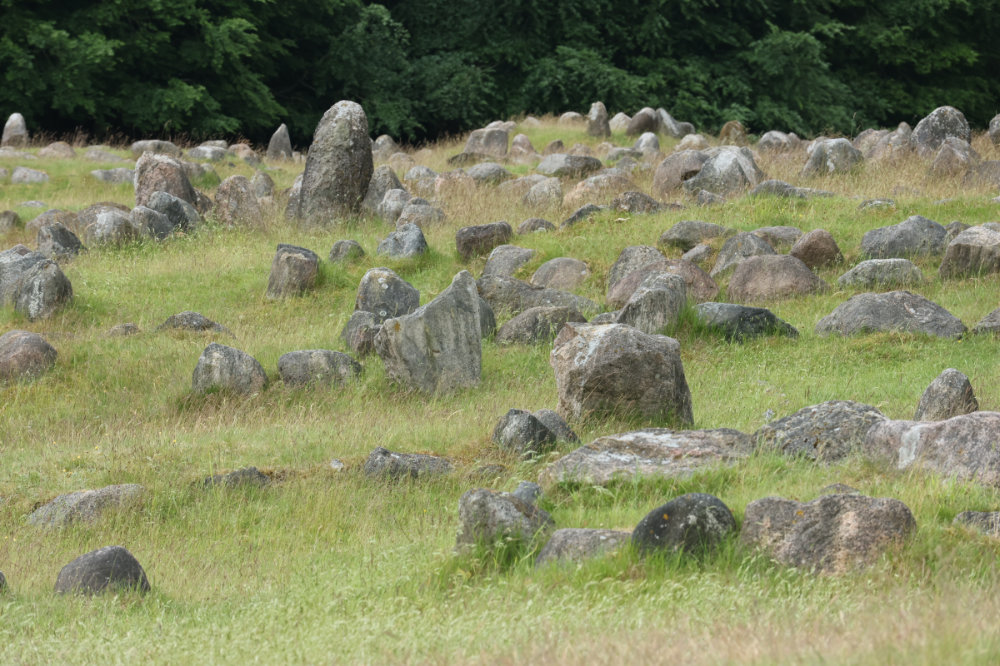
Lindholm Hoje Archaeological site
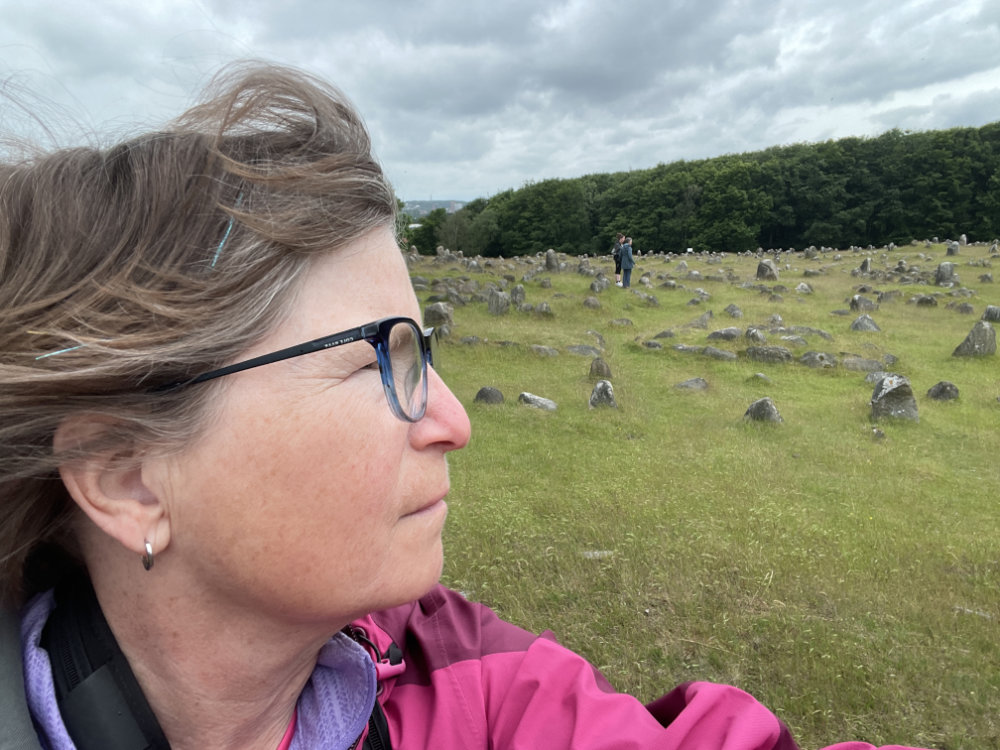
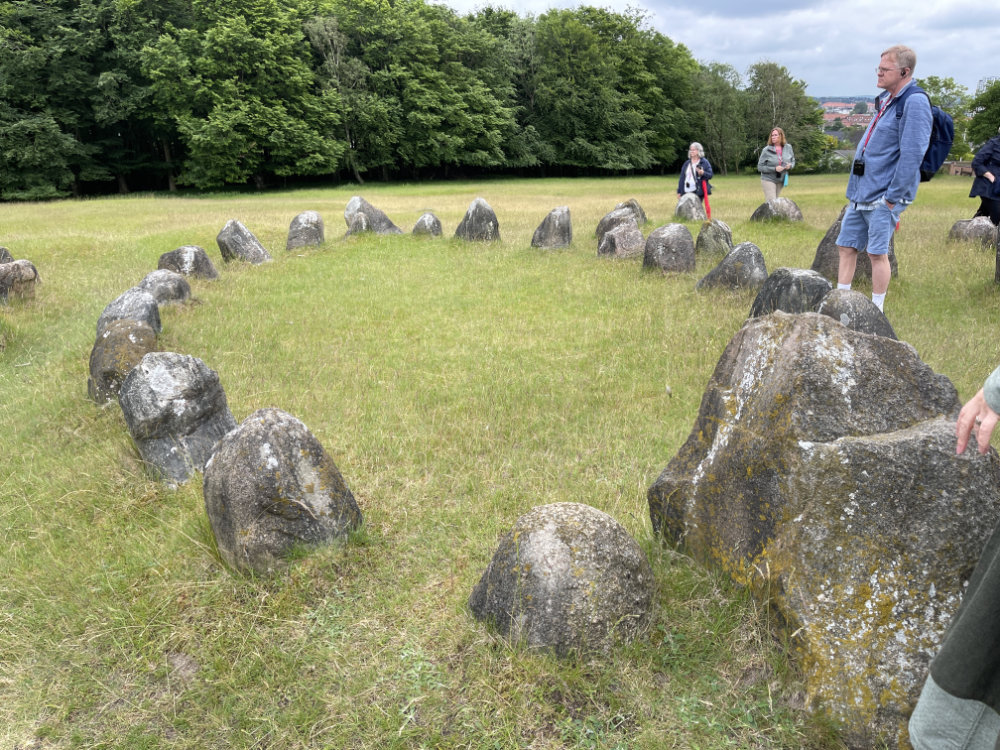
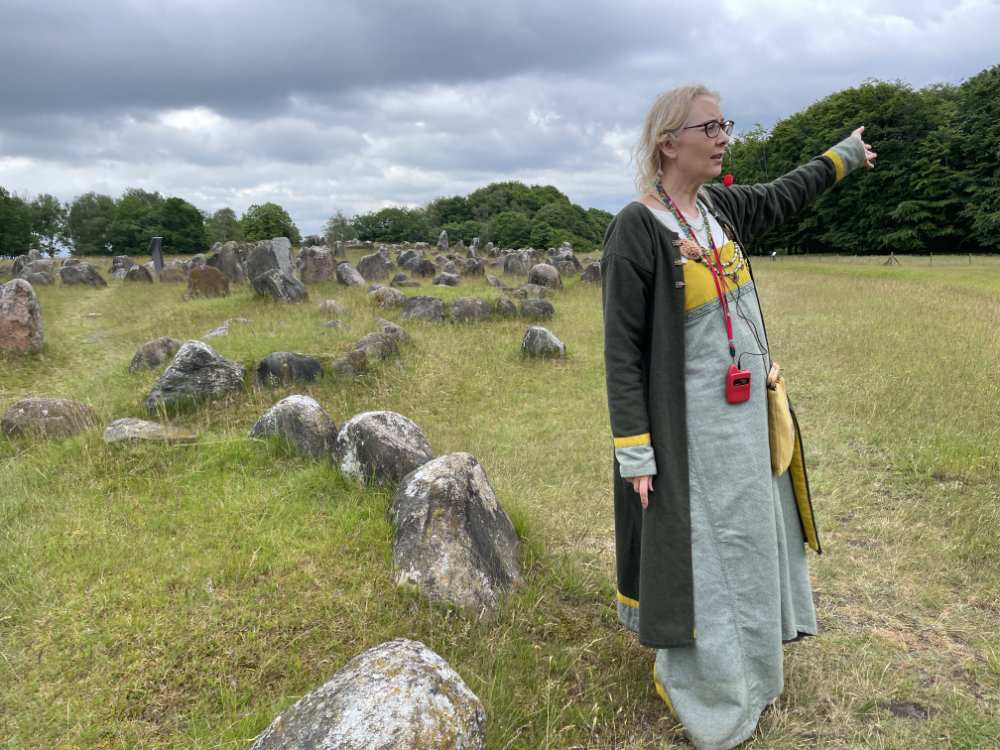
This is a major Viking burial site and settlement outside of Alborg, Denmark. The archaeological dig revealed a trove of artifacts and information because the area had lain largely undisturbed under three meters of sand. The settlement was abandoned in the 1200s, probably due to encroaching sand caused by deforestation.
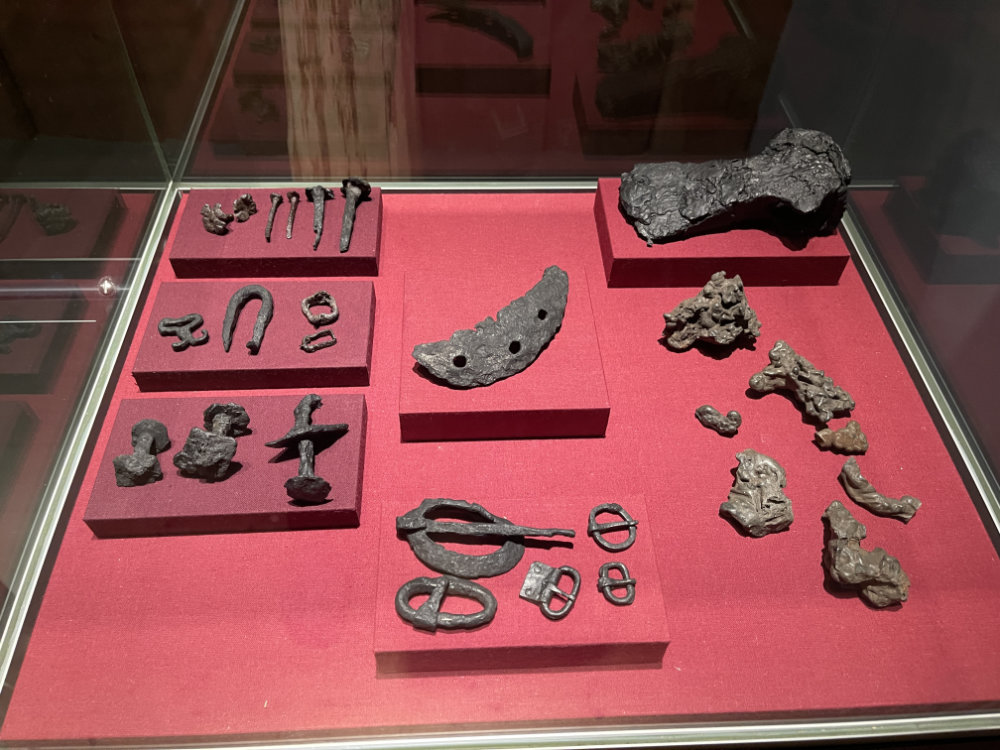
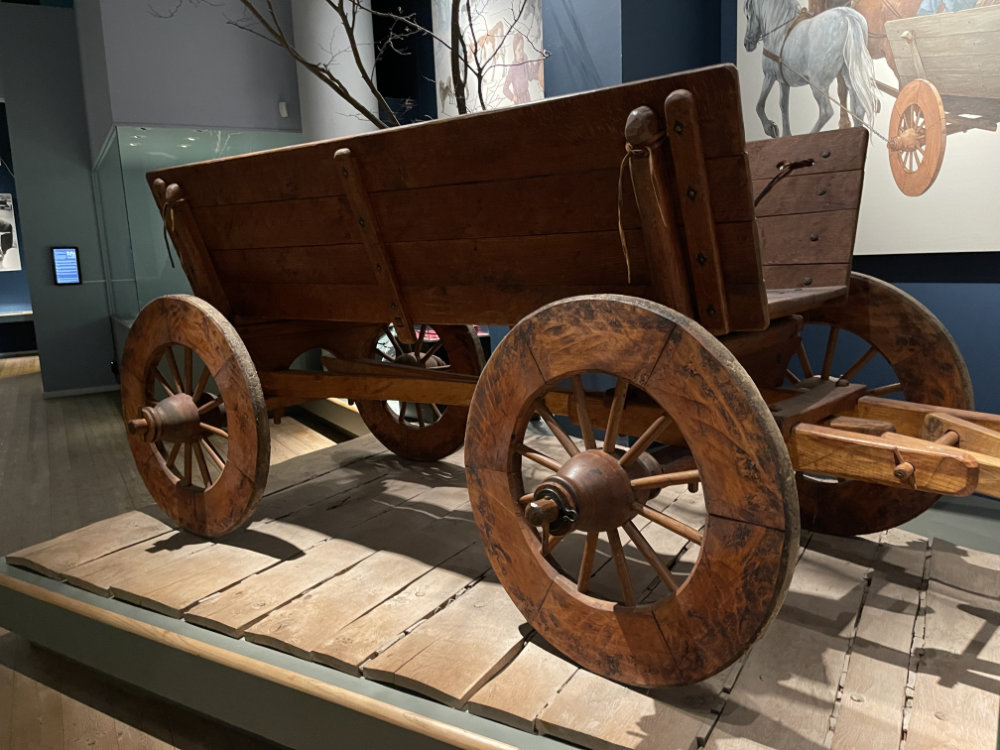
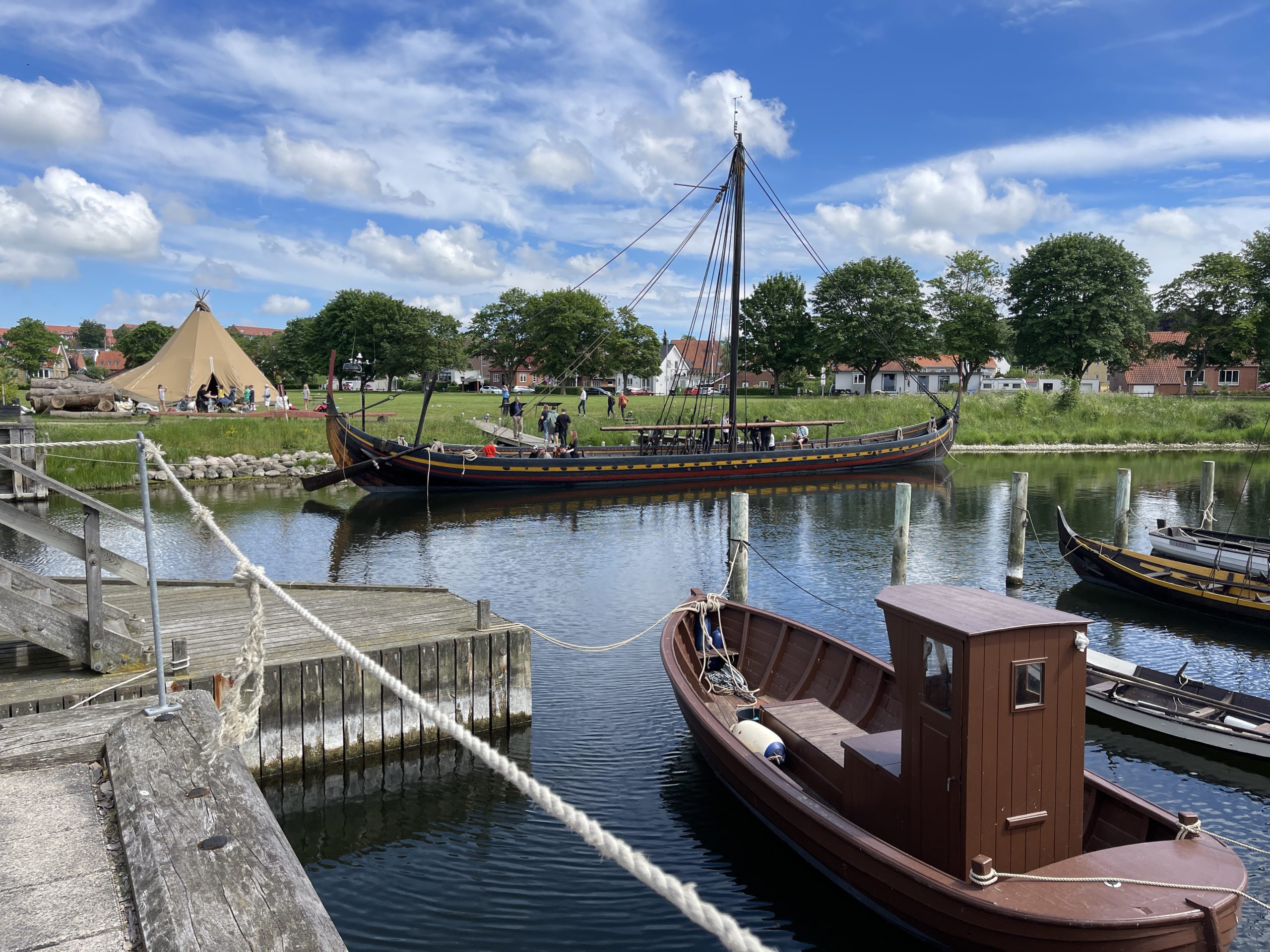
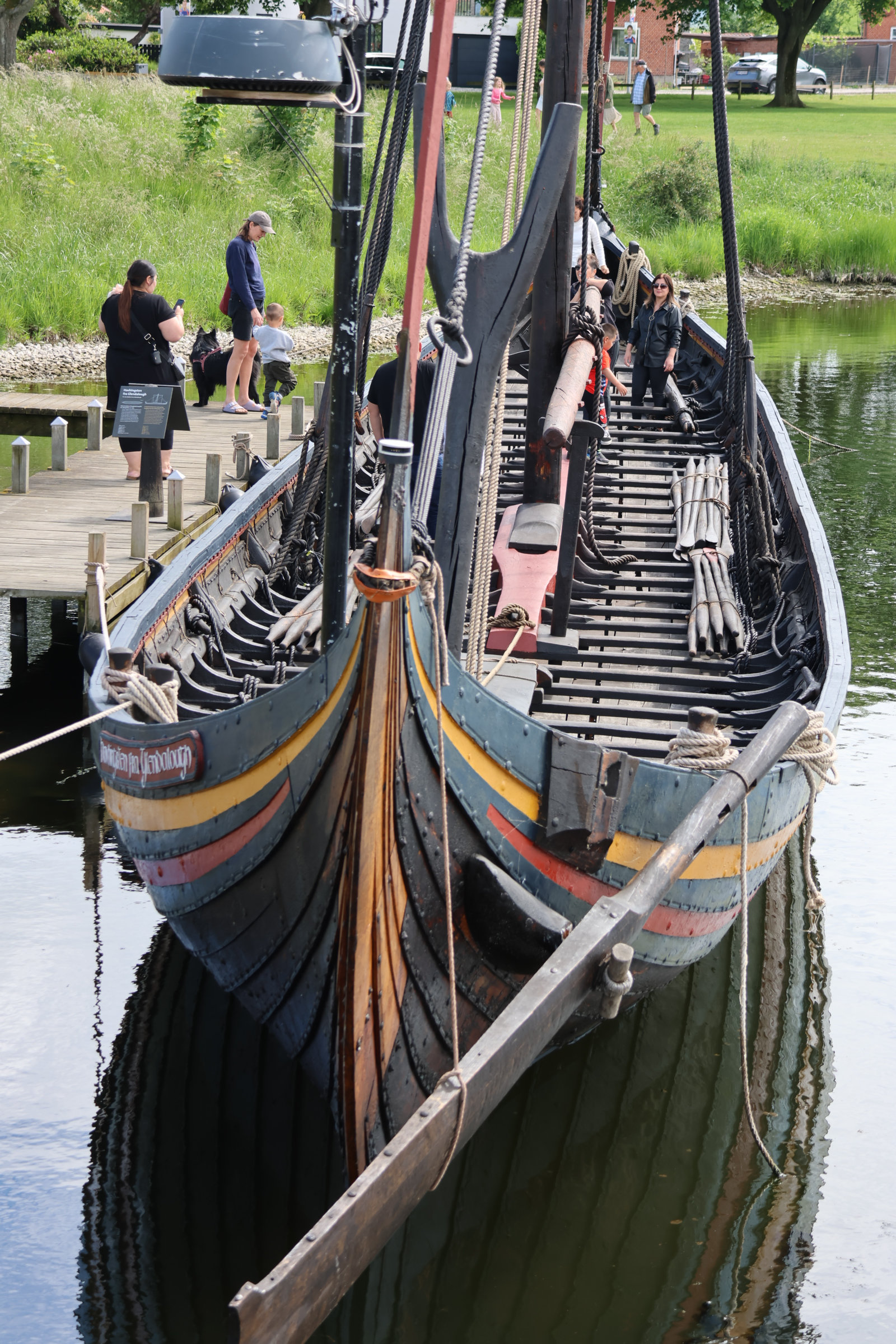
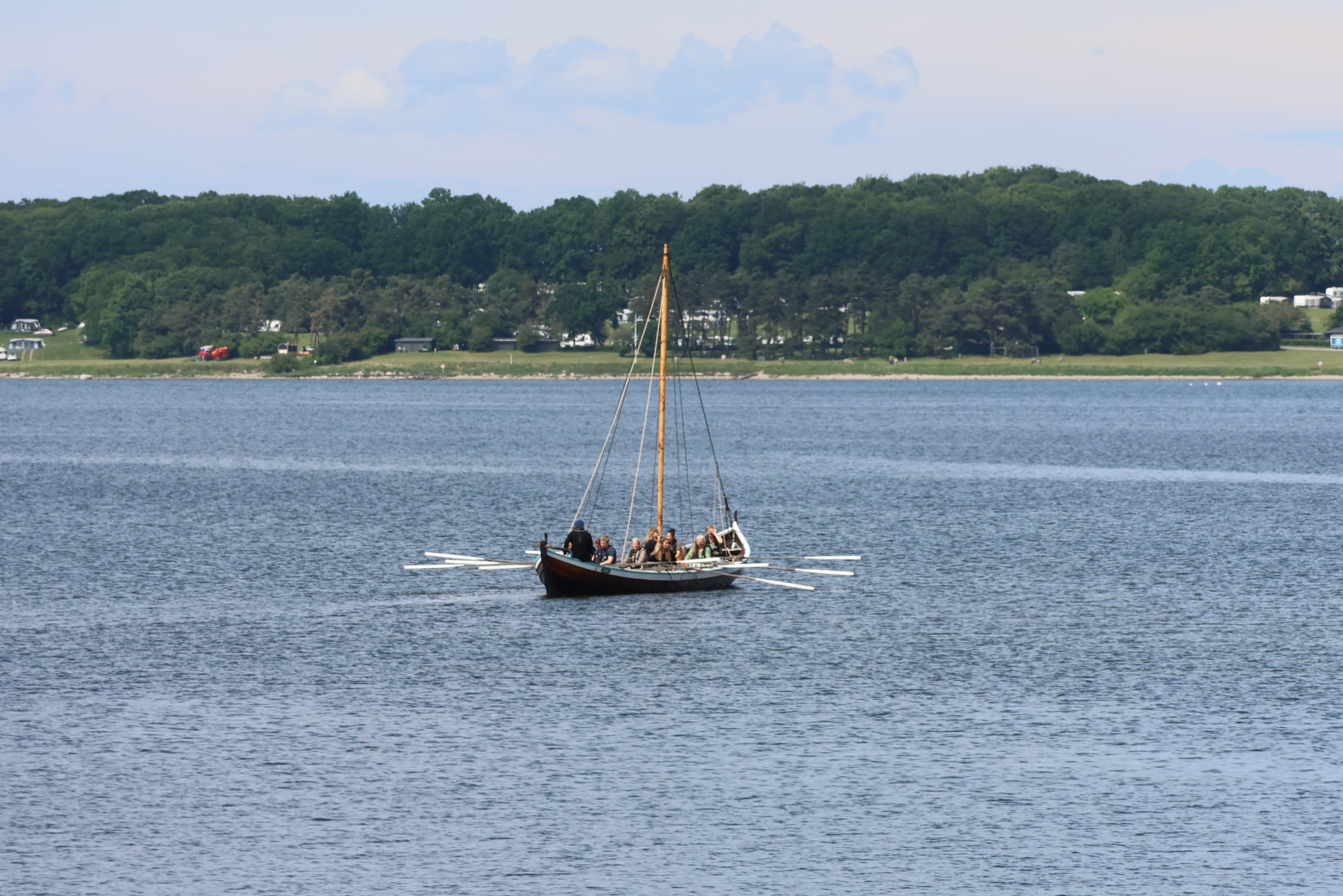
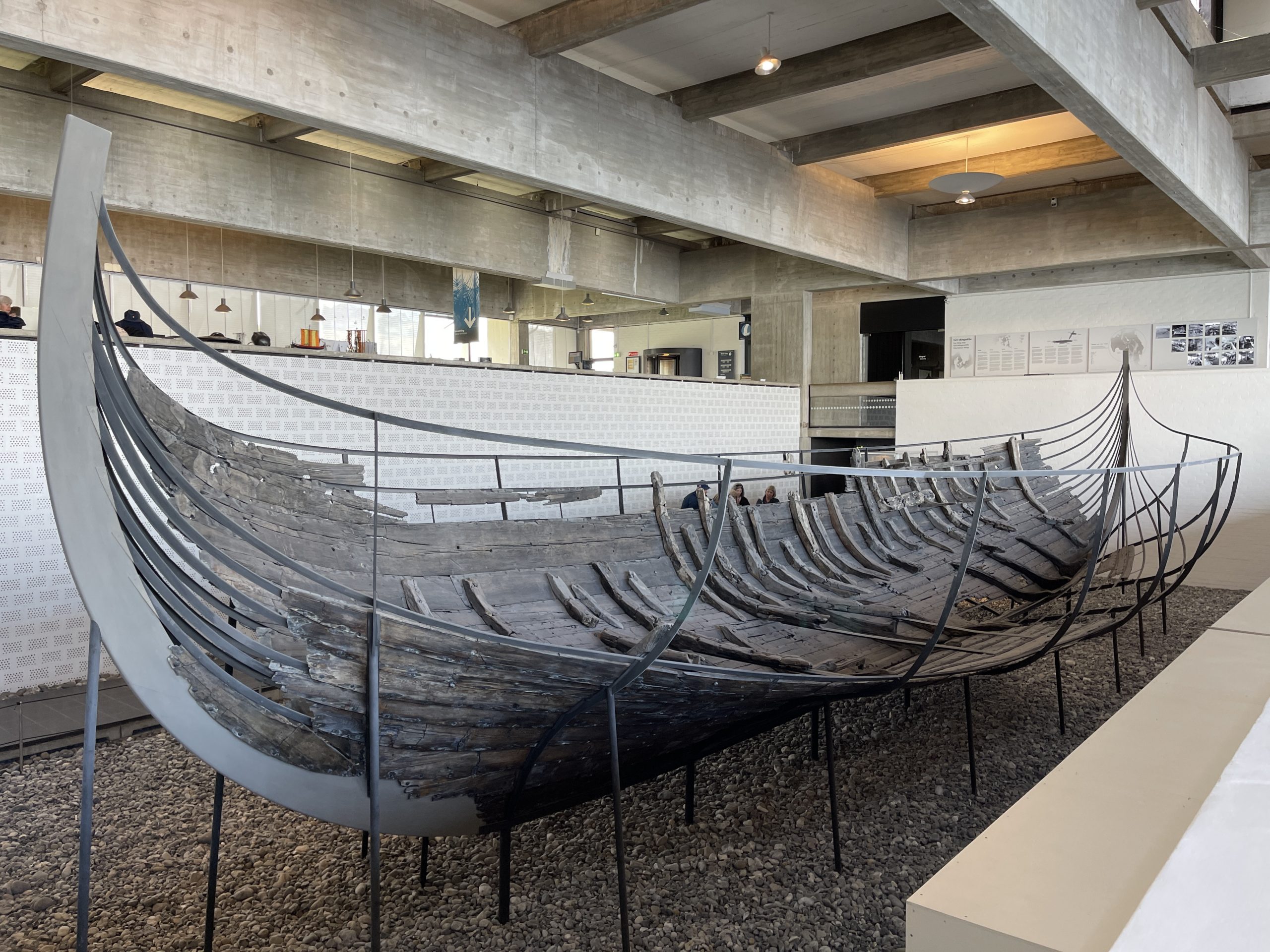
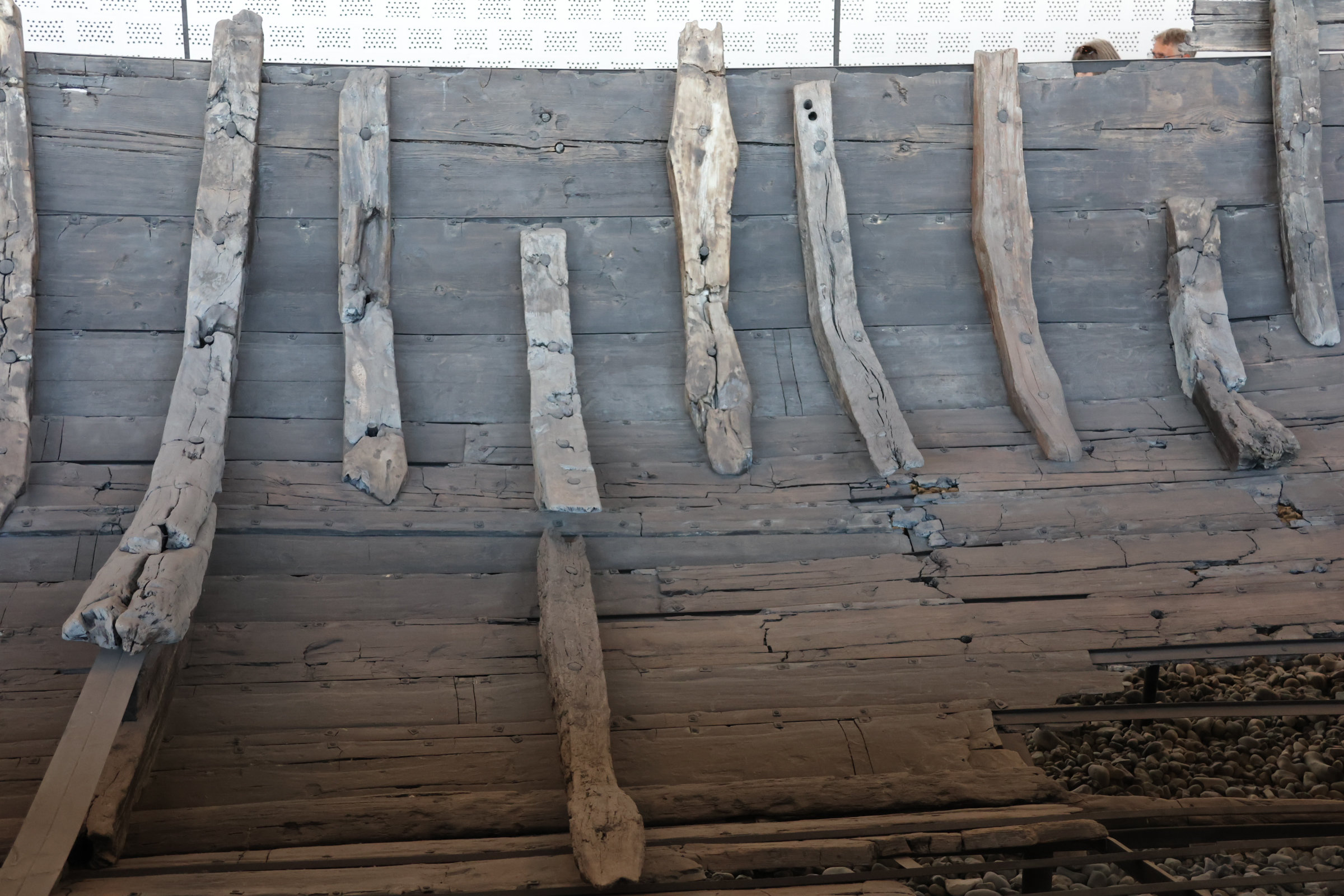
Roskilde Longship Museum outside of Copenhagen
Vasa Museum, Stockholm
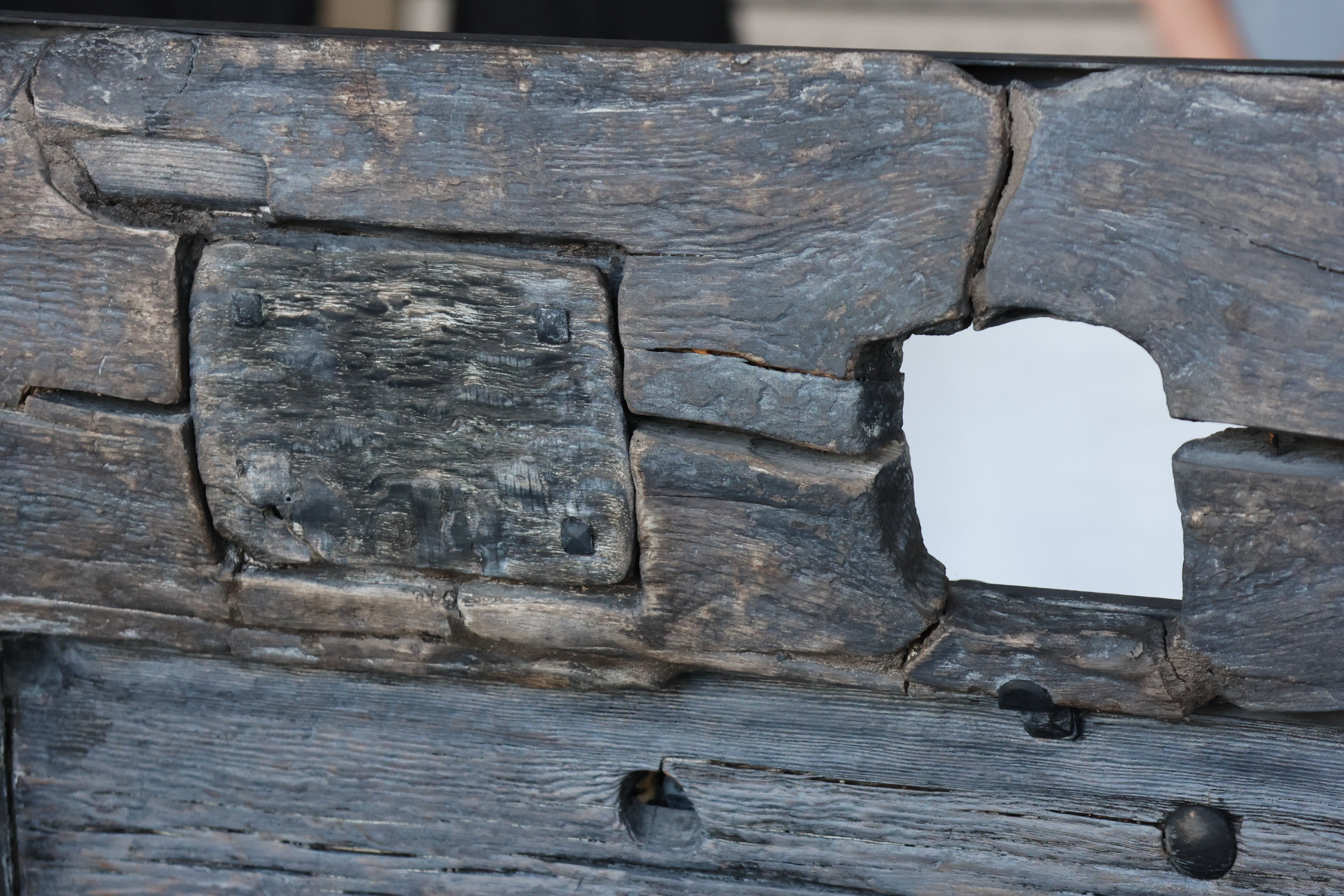
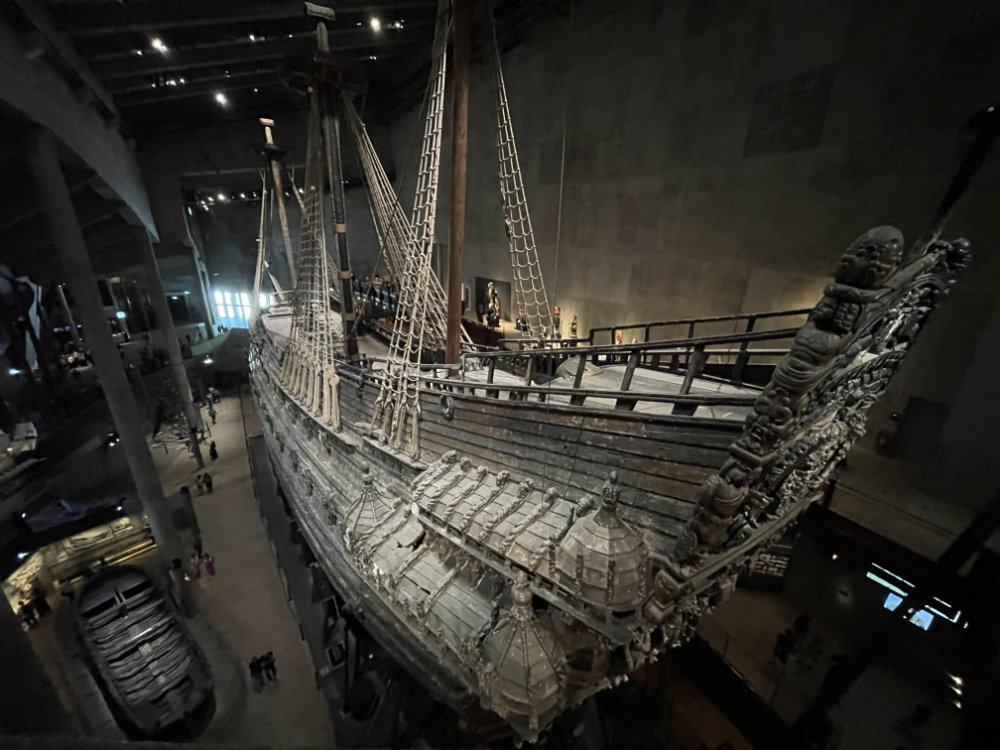
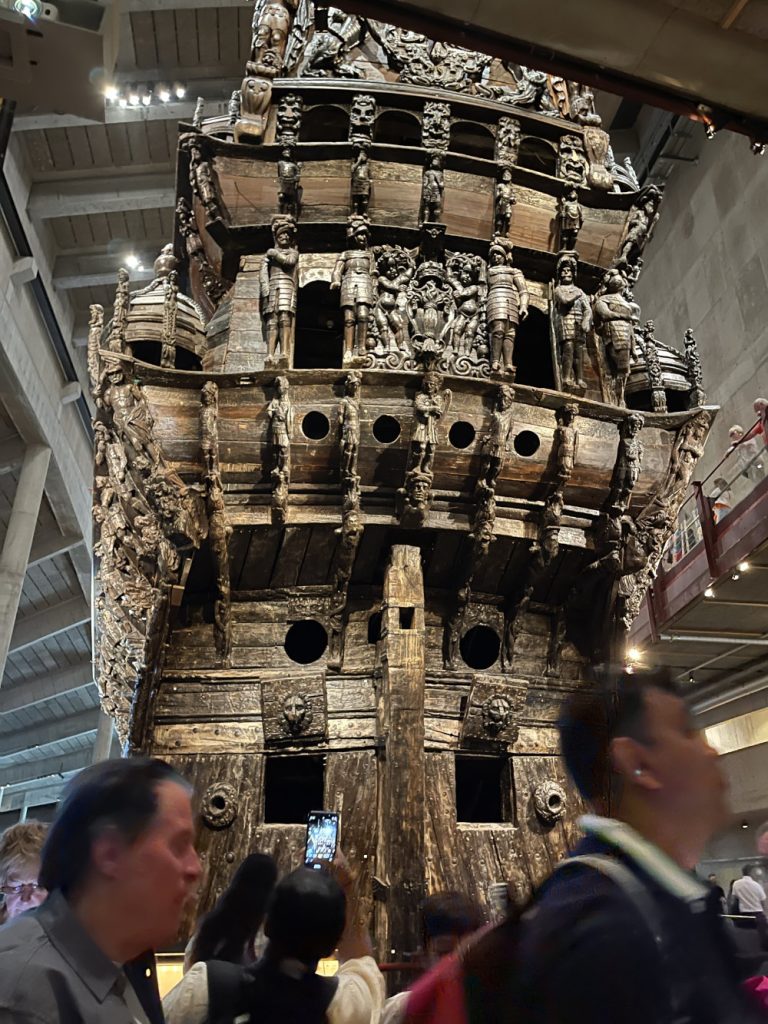
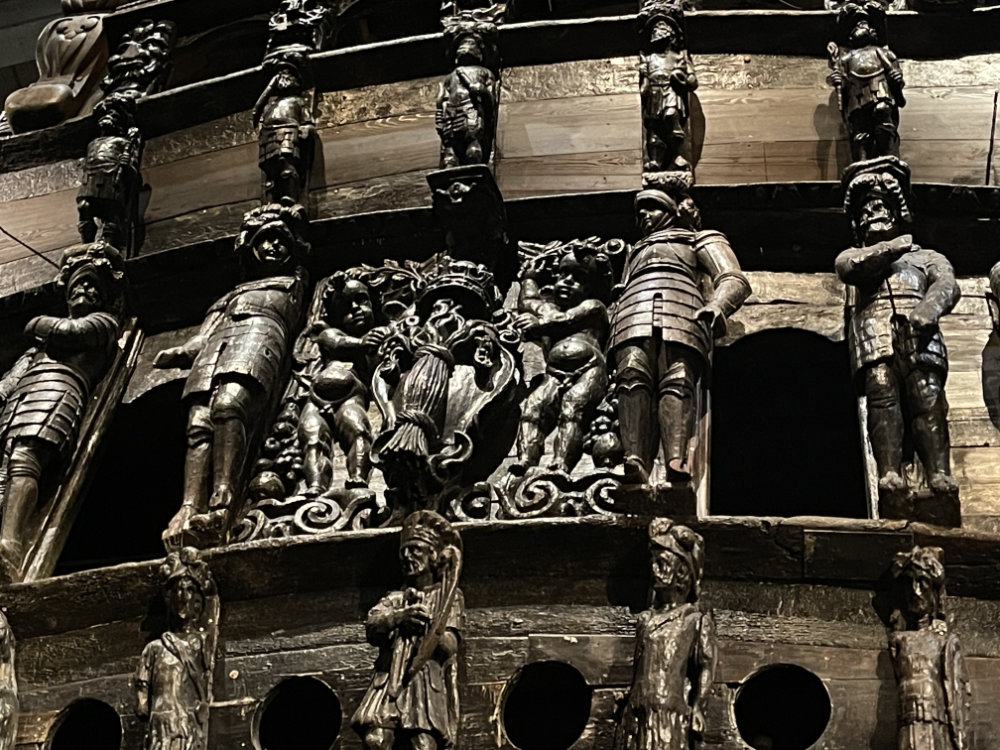
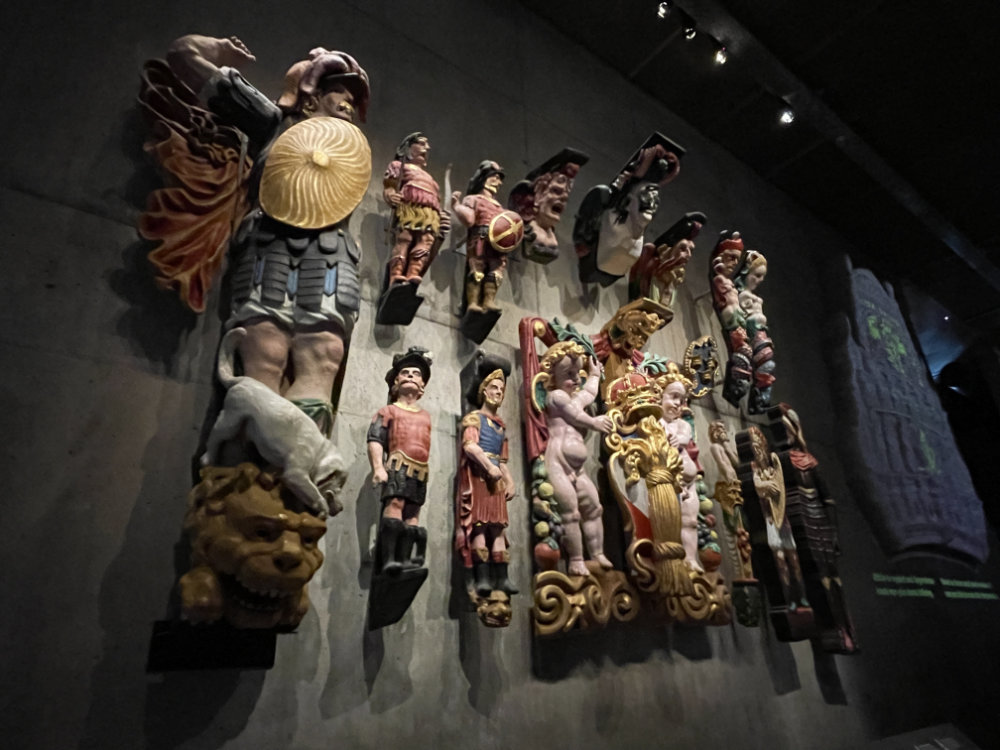
The Vasa Museum houses a massive 300-year-old wooden battleship that capsized and sank within 20 minutes of launch, in full view of the Stockholm’s populace watching the celebration. Oooooops.Attempts were made to blame everyone remotely involved, but it was probably the King’s insistence on overloading the upper decks with more, more, and more cannons that doomed the ship.
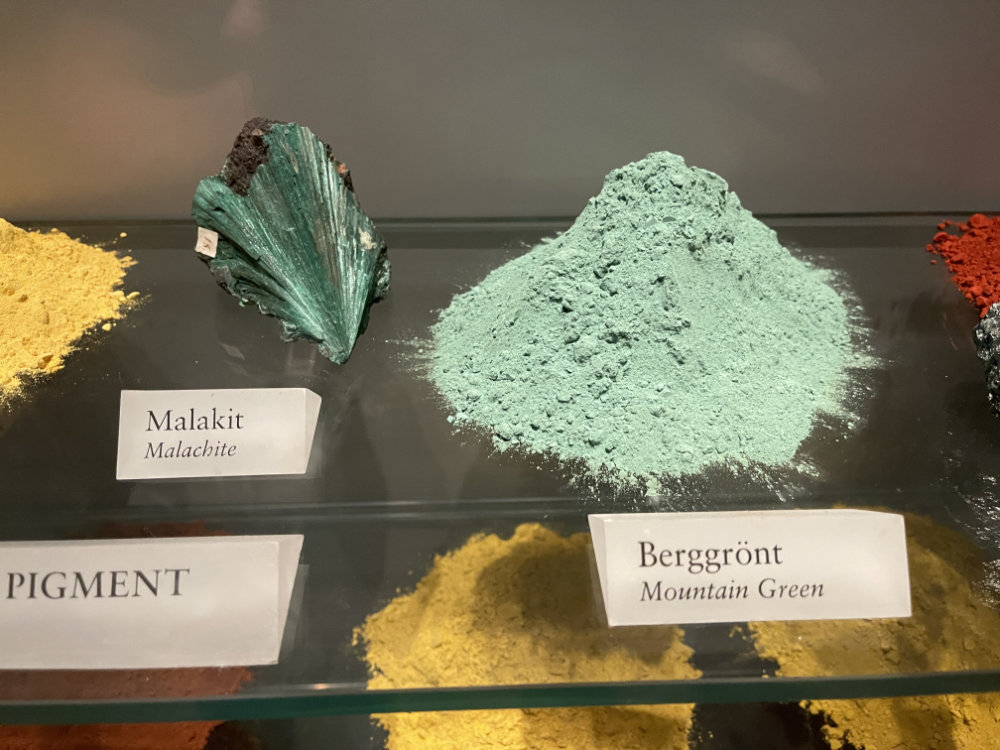
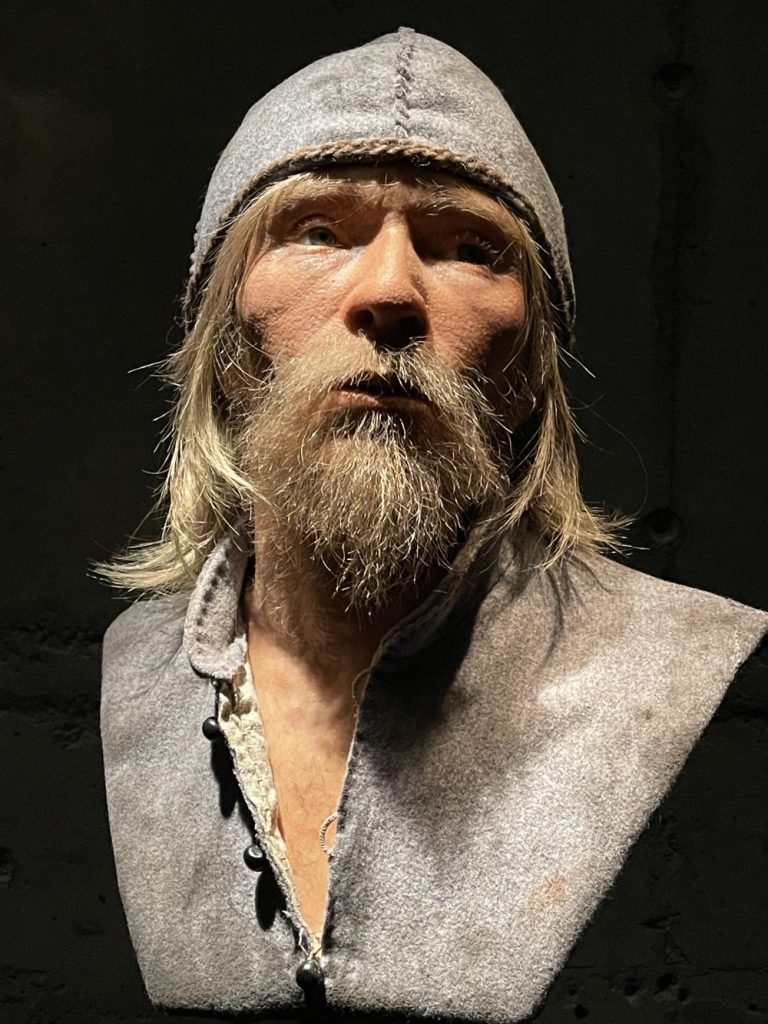
It was raised from the mud of Stockholm harbor in the 1960s, re-assembled and preserved and you can now walk around it and marvel at the scale of human brilliance and folly. At least 17 bodies were found, some very well preserved. The faces of two of these were reconstructed by a forensic sculptor and are on display alongside the skeletal remains.
Stutthof Concentration Camp, Poland
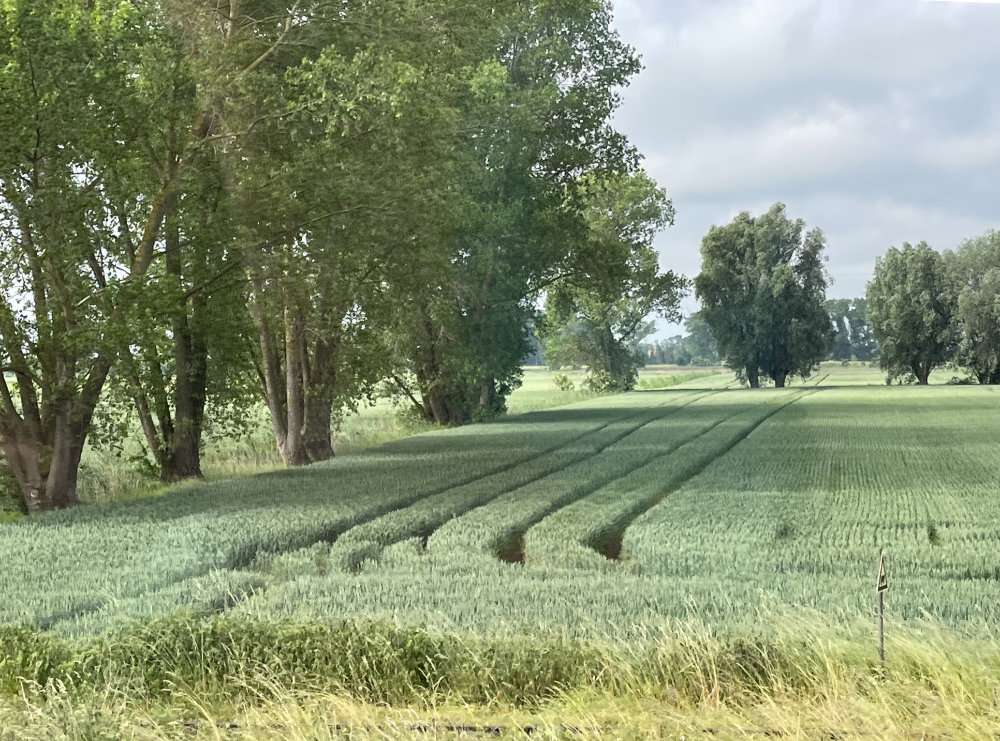
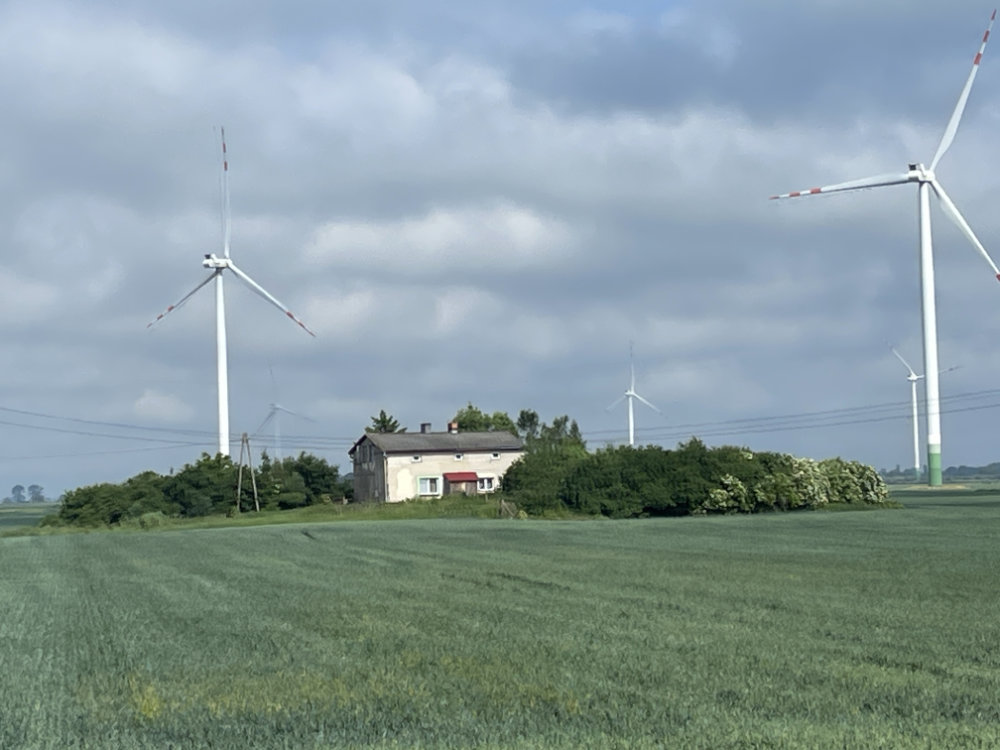
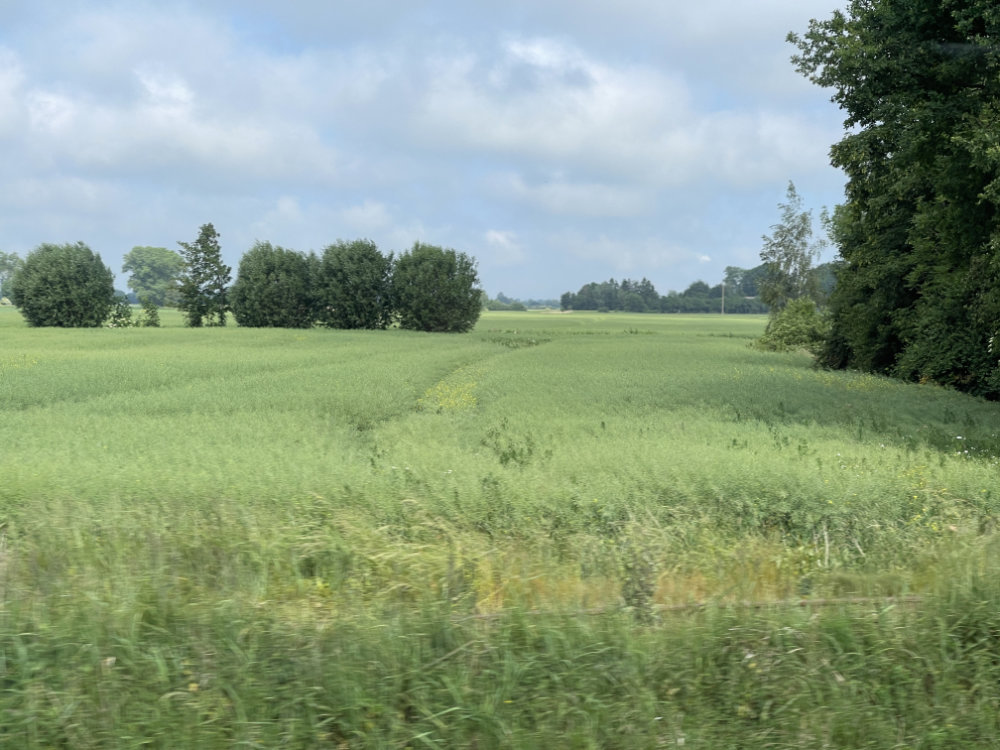
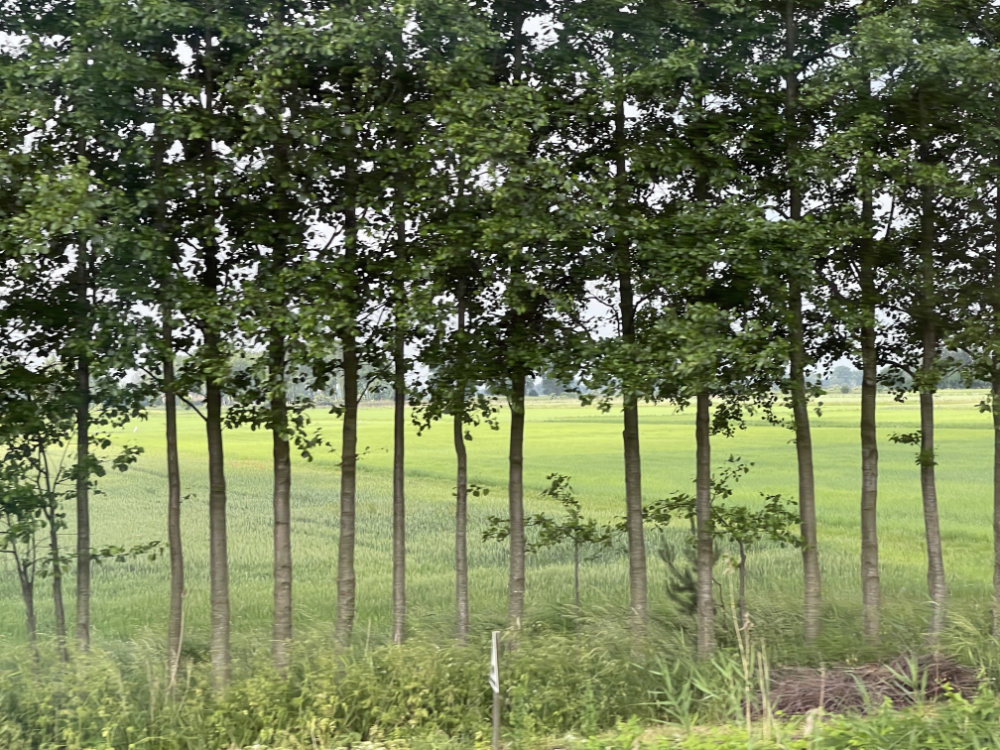
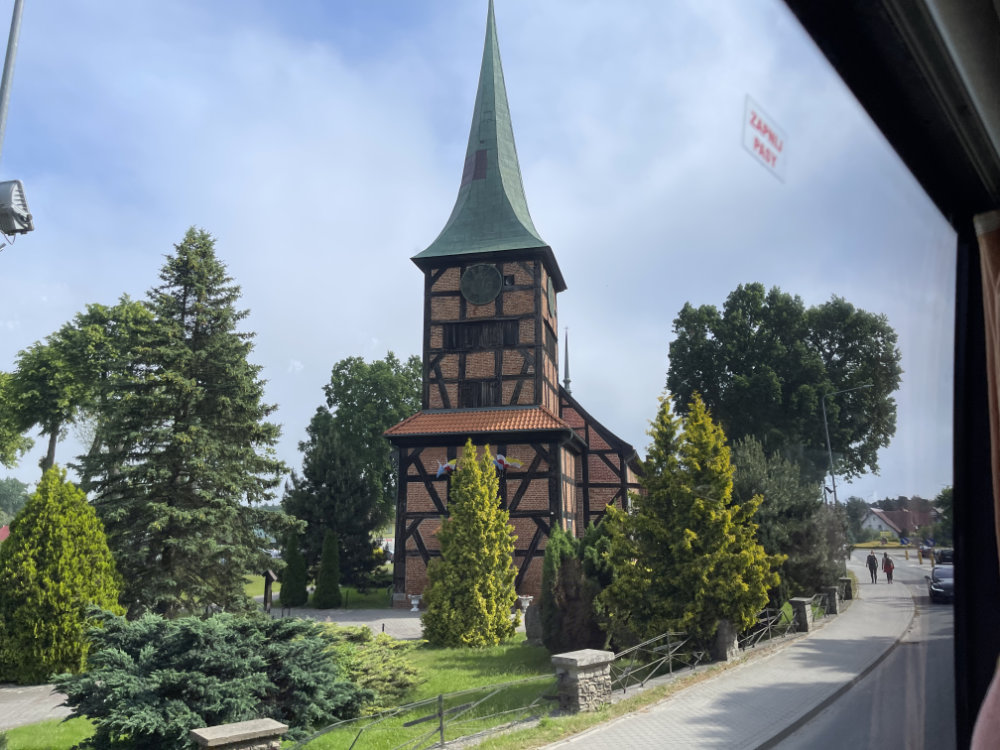
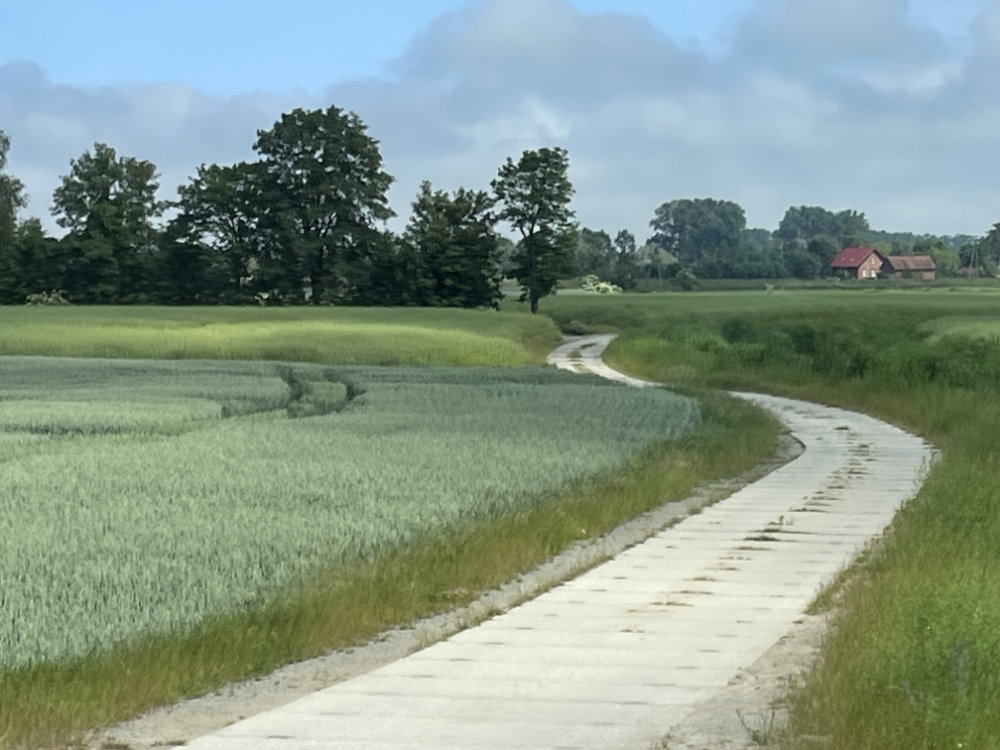
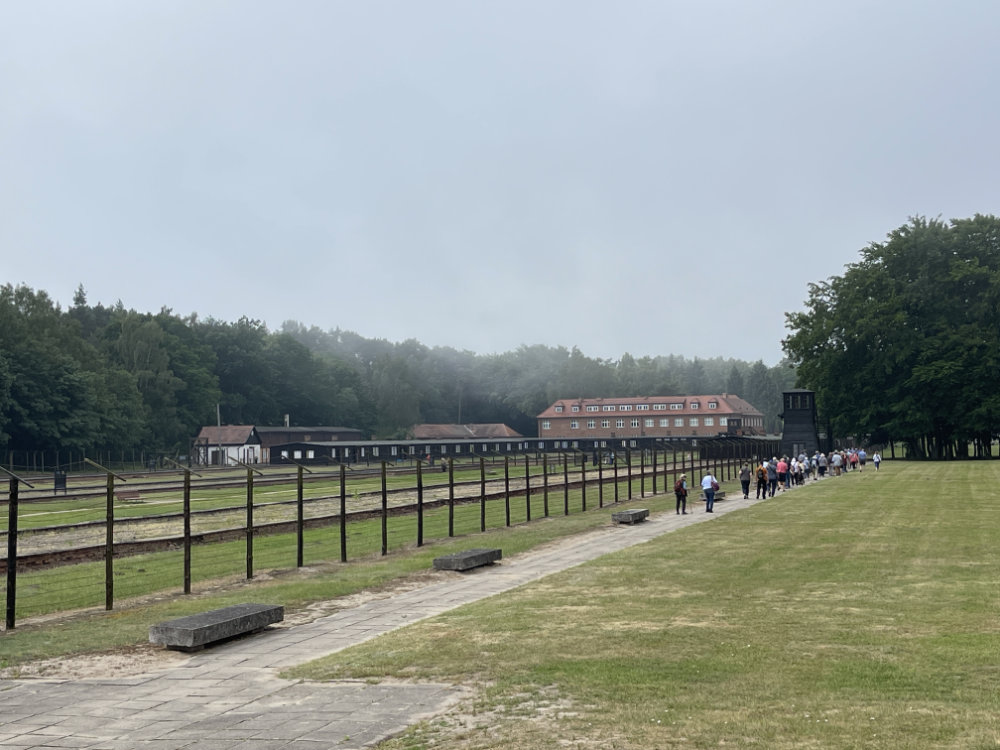
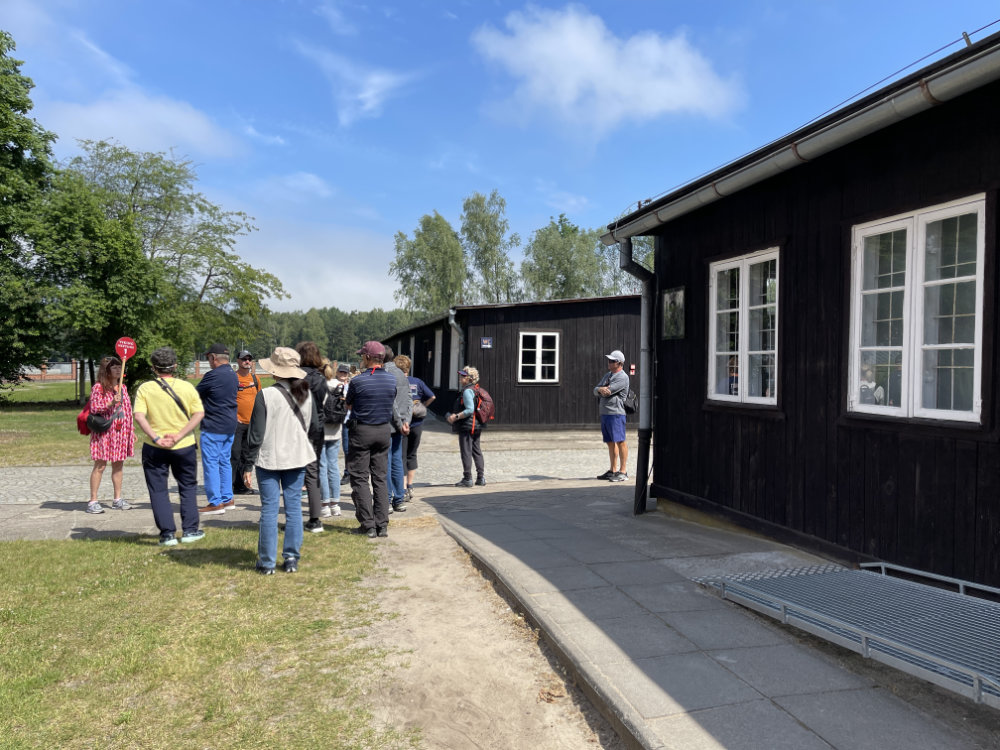
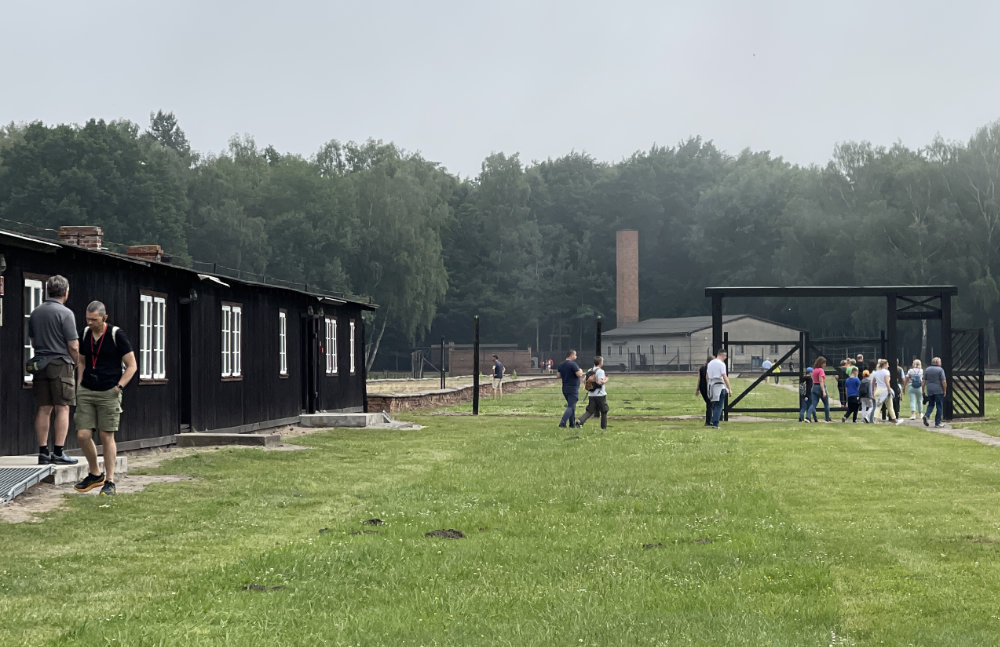
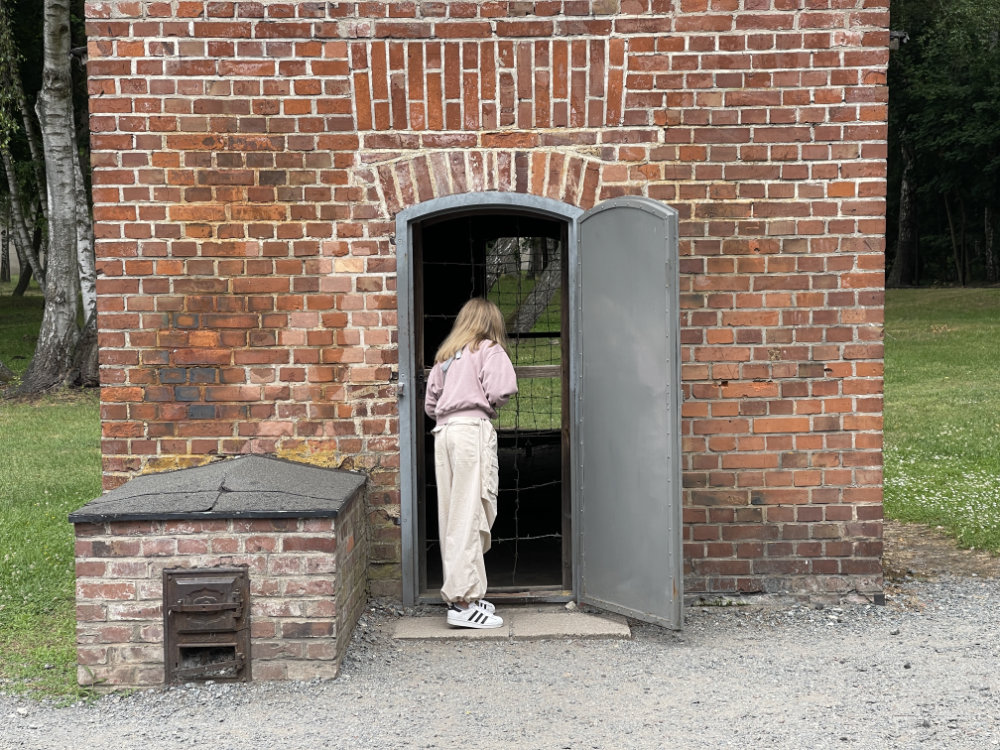
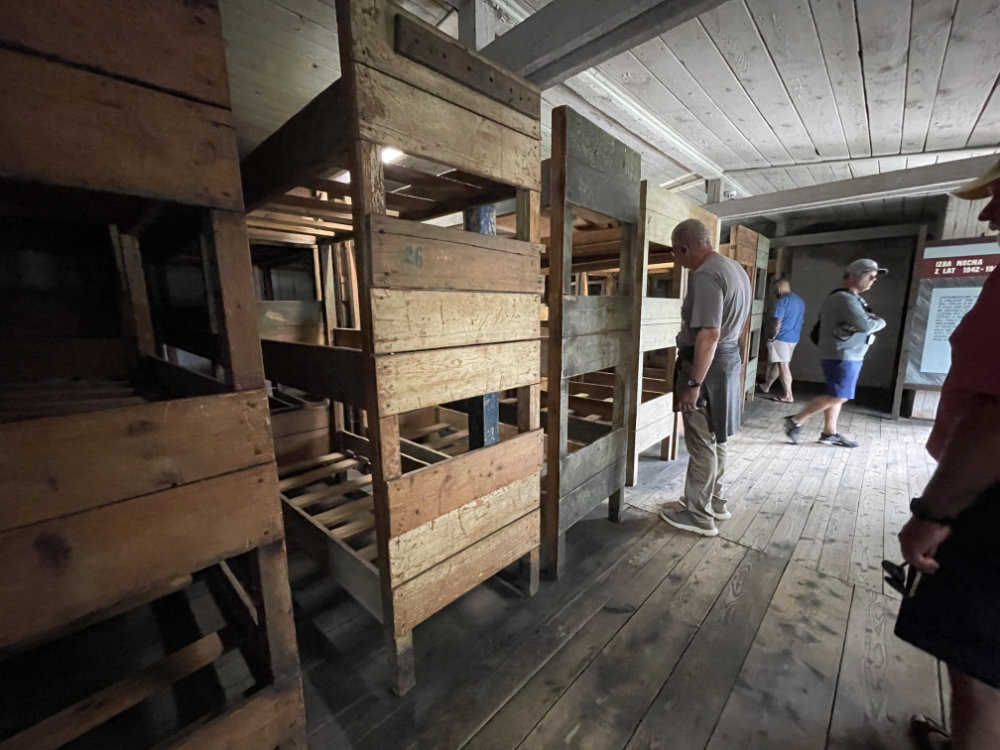
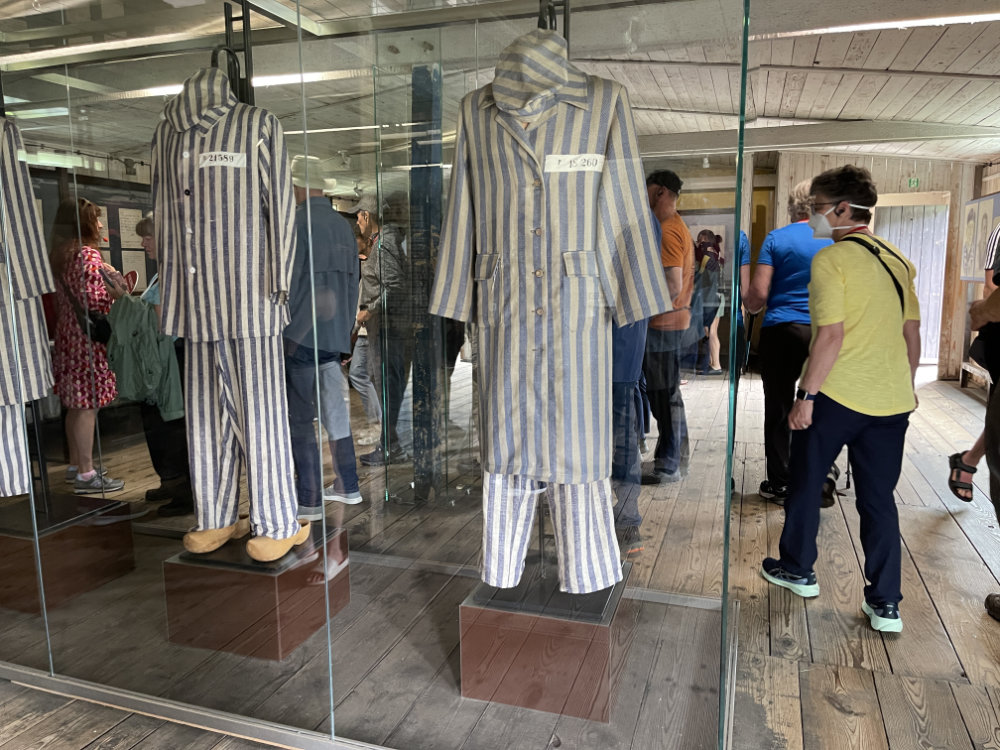
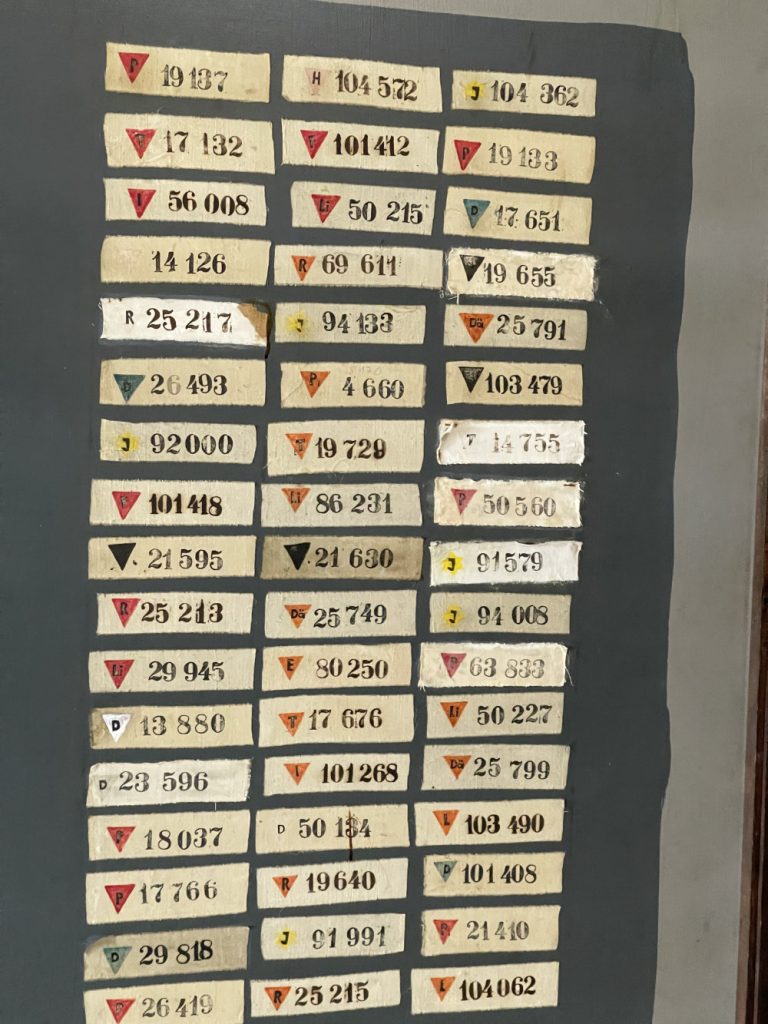
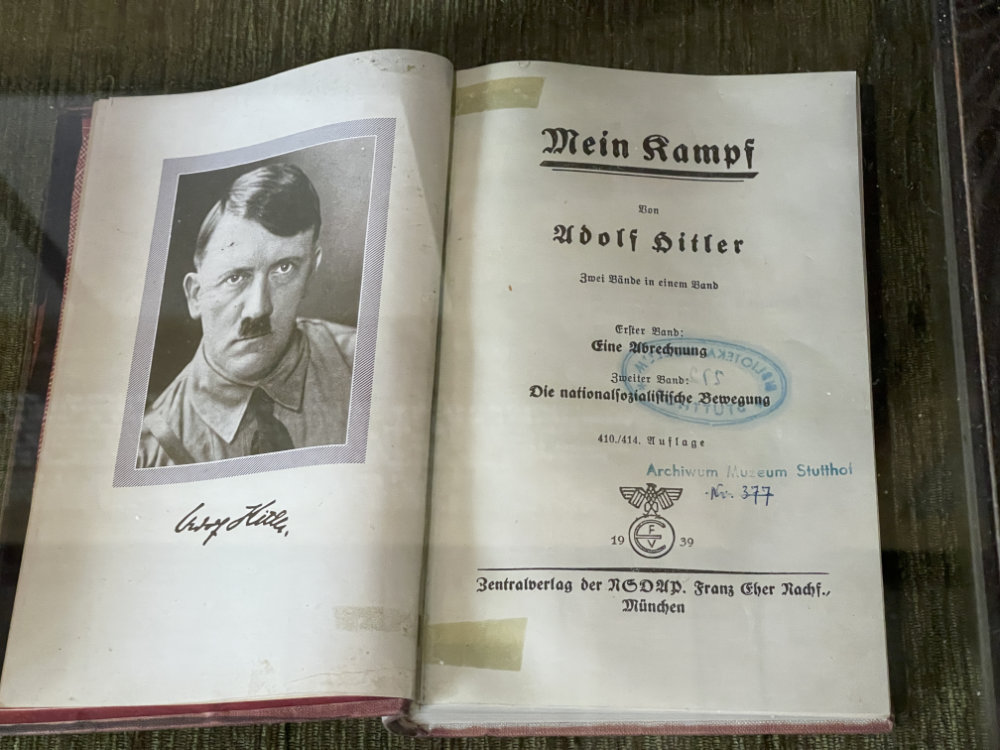
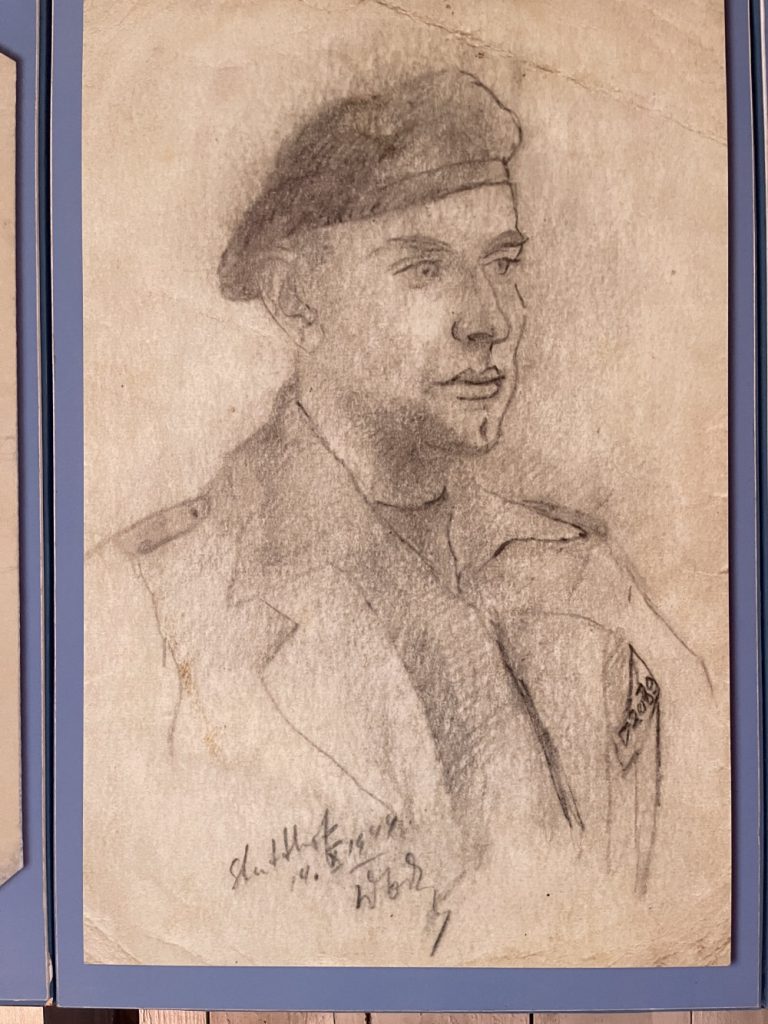
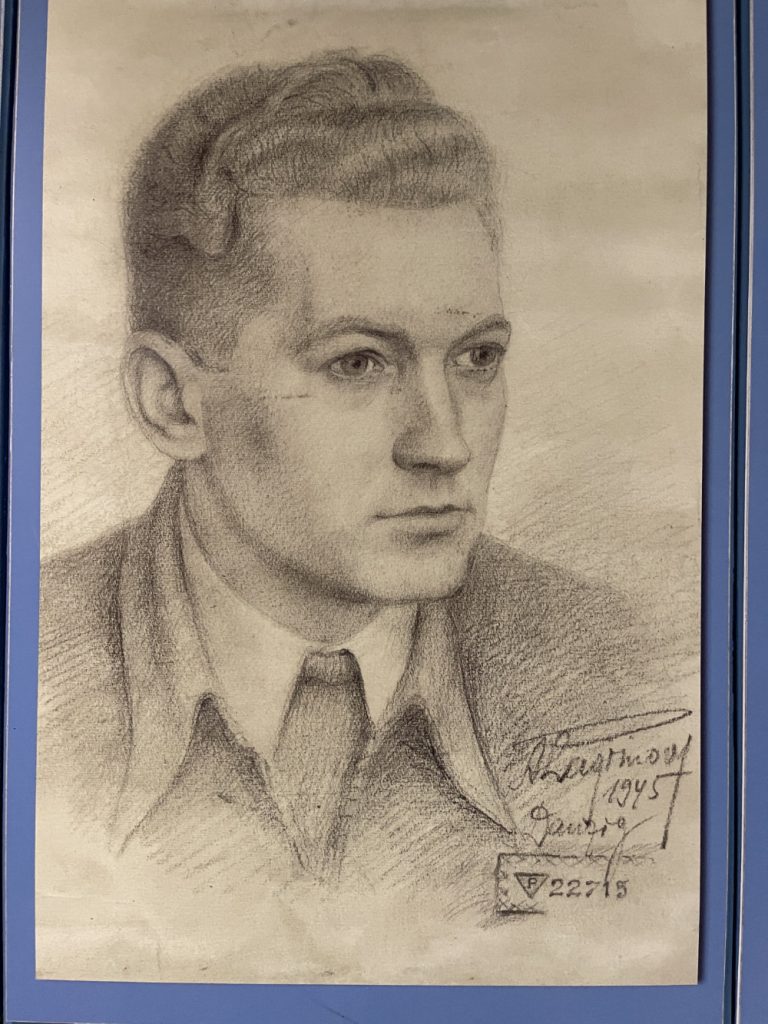
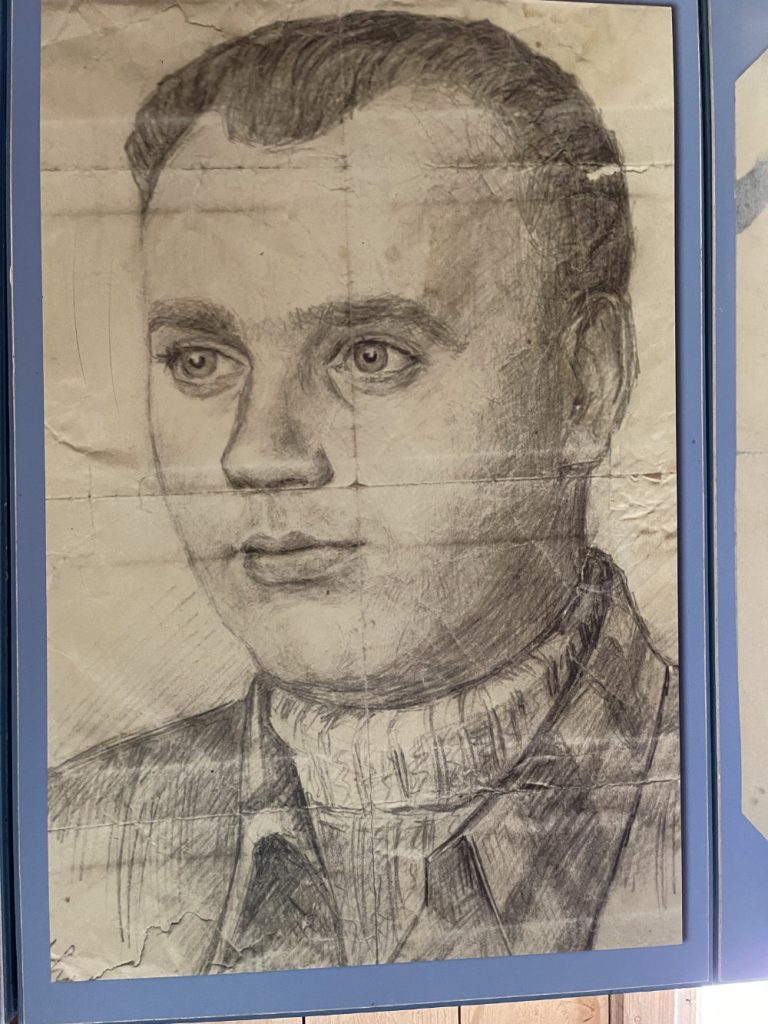
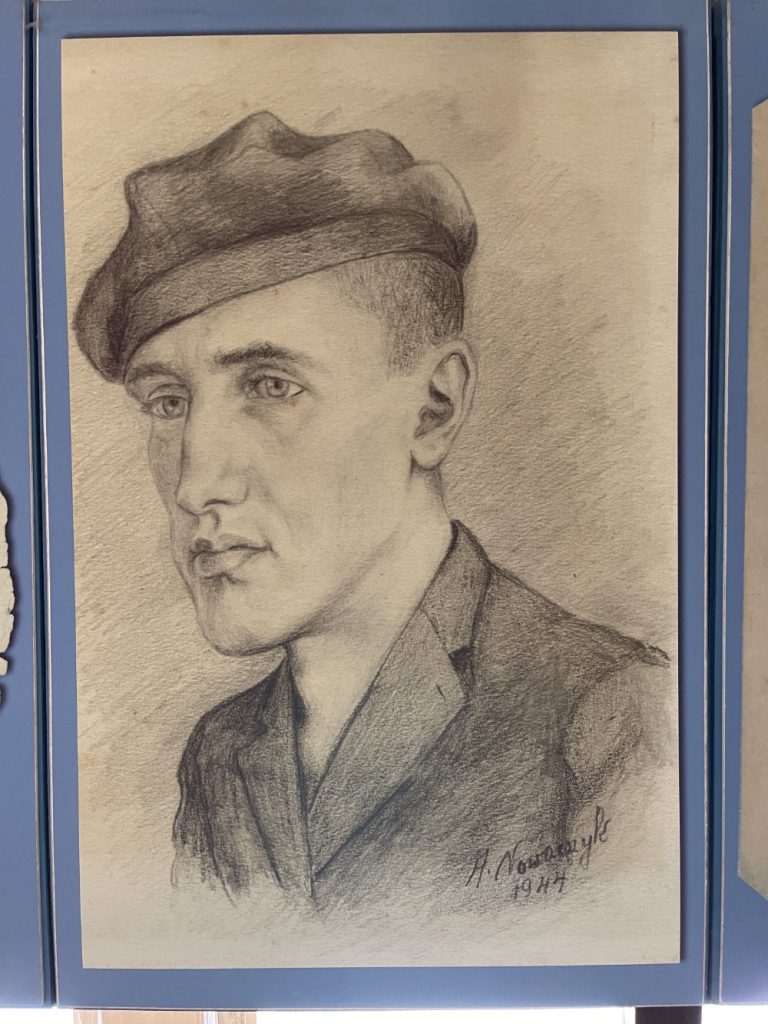
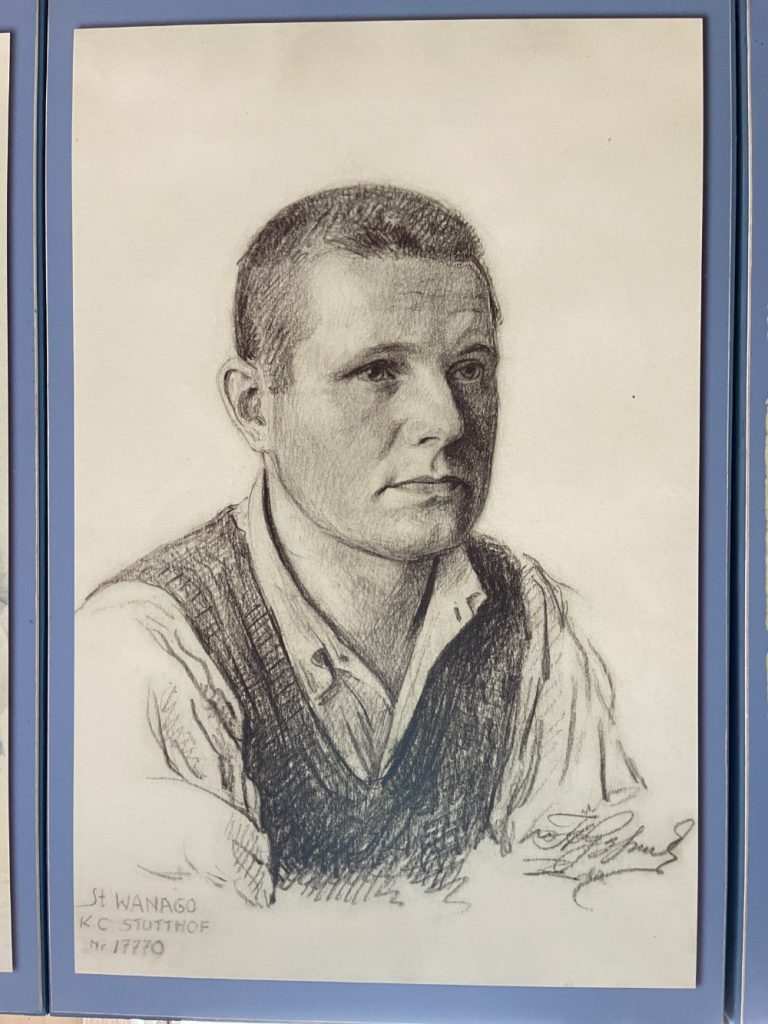
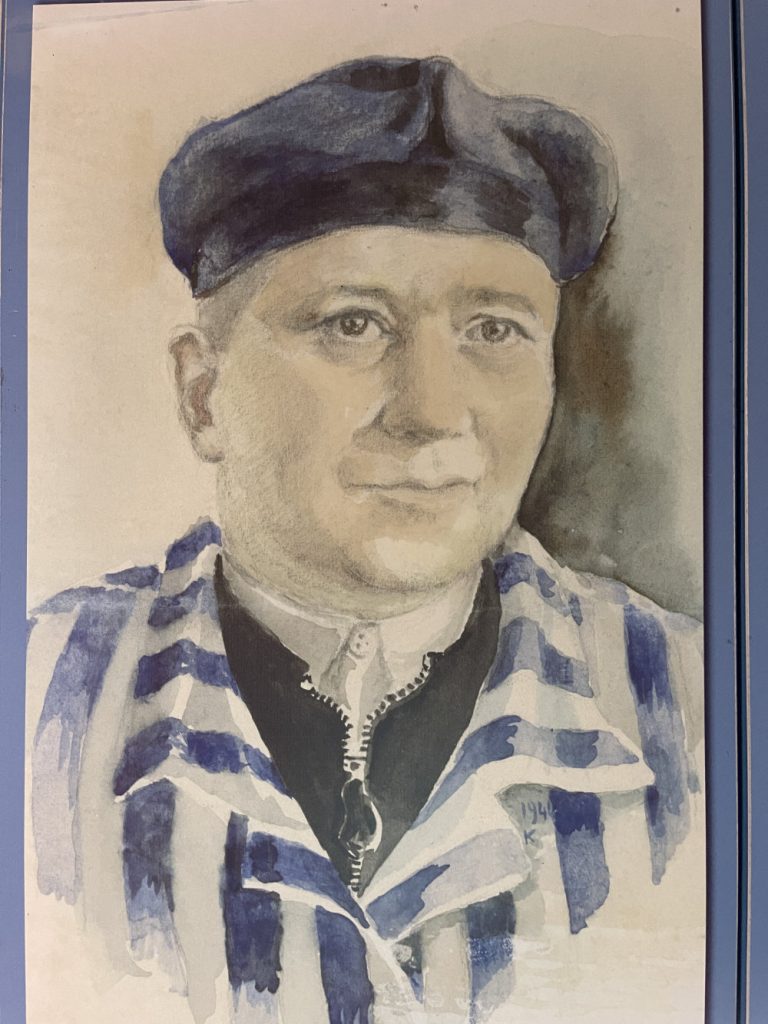
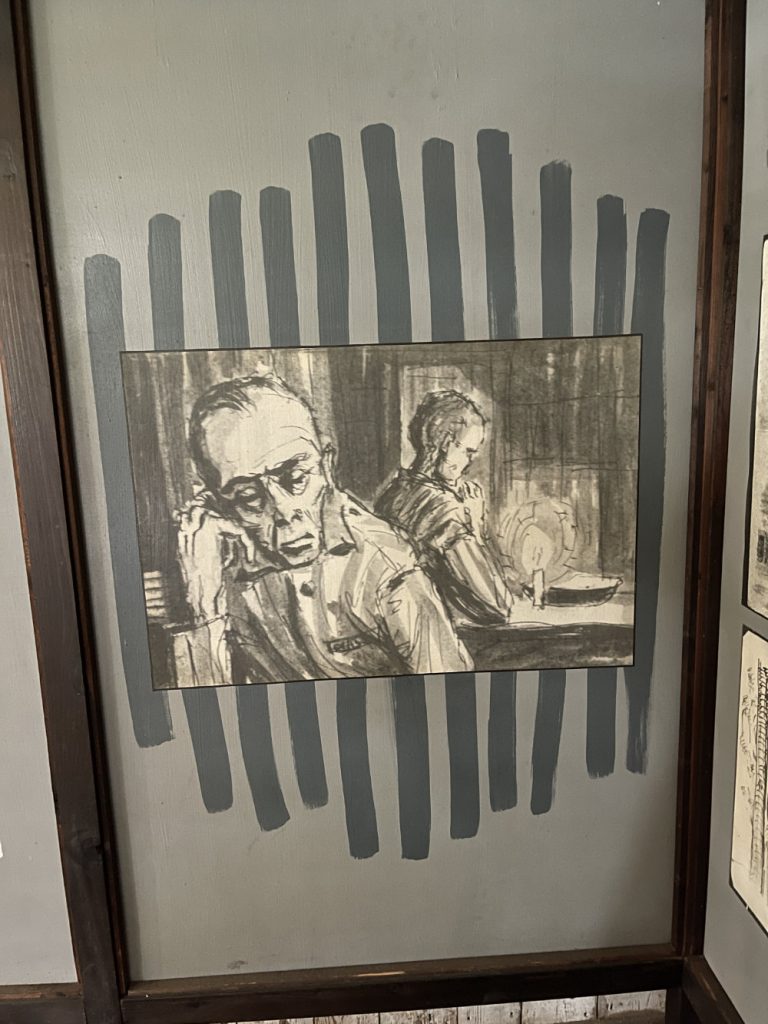
We decided to add this excursion from Gdansk due to our general interest in World War II, and to offer a “lest we forget” tribute to those who suffered. The bus took about an hour driving through beautiful Polish countryside to a small leafy town…with a large, barbed-wire Nazi camp on the outskirts. Originally holding mostly Polish soldiers, it transformed into a full-scale Final Solution extermination camp. Many of the wooden structures were dismantled after the war but the camp has been partially restored to its grim reality. Much of what we saw was disturbing; but also deeply moving, especially the display of beautiful prisoner art.
Polish countryside